Europe Faces €500bn Climate Resilience Investment Bill
A report from the Taskforce on Net Zero Policy finds Europe requires €500bn in adaptation funding by 2035, highlighting the need for resilient home energy infrastructure.
- Written by
- Net Zero Home Scheme editorial team
- Last updated
- Topic
- policy, home energy, energy efficiency
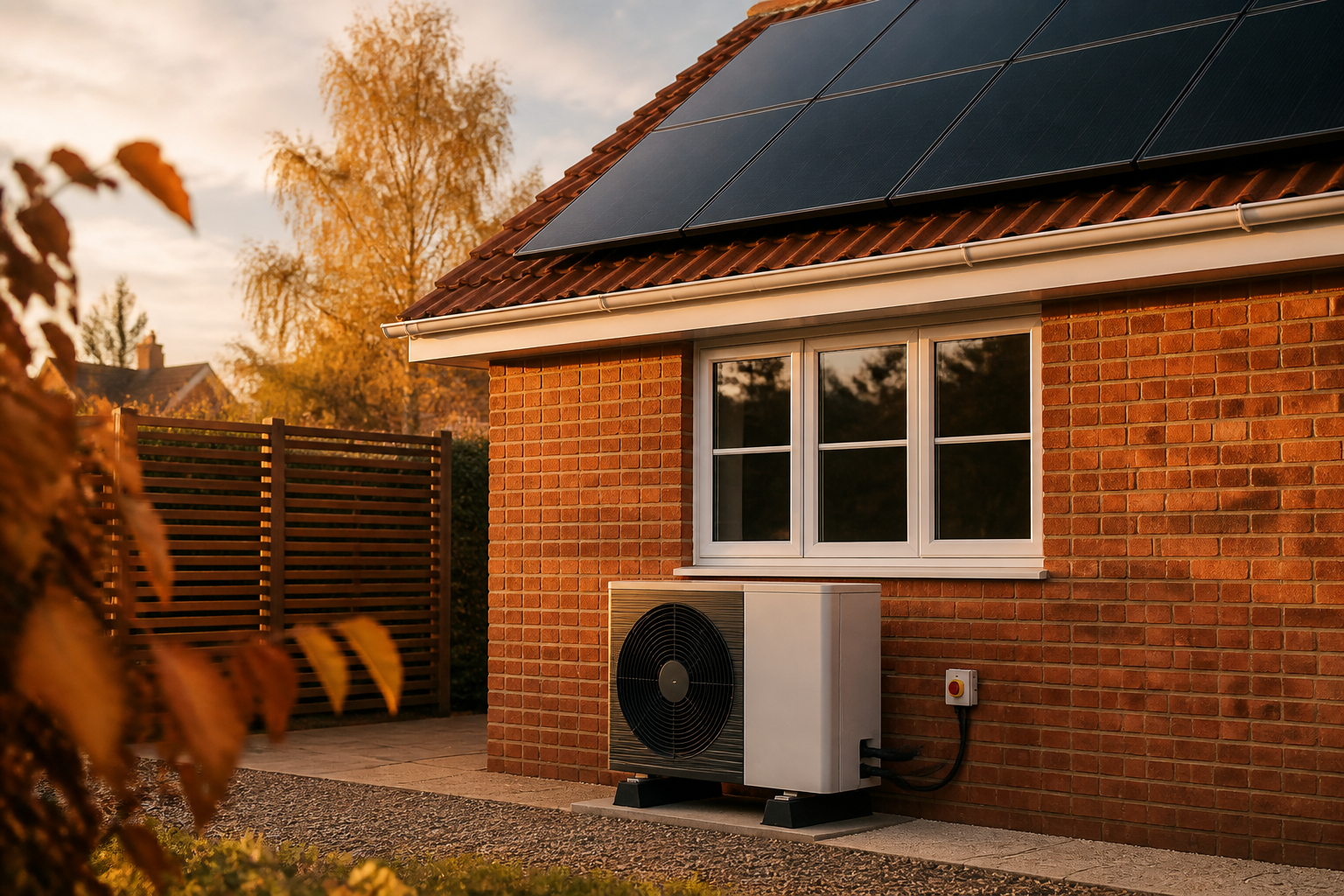
On 25 September 2026, sustainable business publication edie reported that Europe faces a €500bn funding gap for climate adaptation and resilience through 2035. The figure was presented at Climate Week NYC by the Taskforce on Net Zero Policy, which called on governments across the continent to unlock private capital to protect infrastructure and property from escalating weather risks.
The findings place home energy retrofits, building standards and decentralized clean power at the center of national resilience strategies. For UK householders and employers, the report underscores how climate adaptation is shifting from a long-term policy goal into an immediate financial and practical consideration for domestic property.
What the numbers say
The research cited by edie on 25 September 2026 outlines several concrete financial targets for European resilience:
- €500bn total investment required across Europe for climate adaptation and resilience measures by 2035.
- The Taskforce on Net Zero Policy highlighted that public budgets alone cannot cover this sum, requiring structural policy changes to attract institutional and private capital.
- The report emphasizes that physical climate risks, including extreme heat, winter storm surges and flash flooding, present direct operational and capital risks to residential and commercial infrastructure.
The published figures do not provide a specific country-by-country breakdown between the UK and EU member states, nor do they detail the precise ratio of private debt to equity expected to fund home retrofit projects. Where data remains incomplete, analysts point out that UK building stocks remain among the oldest in Europe, suggesting a significant share of retrofit spending will be needed domestically to ensure homes remain resilient.
How climate adaptation impacts UK domestic energy
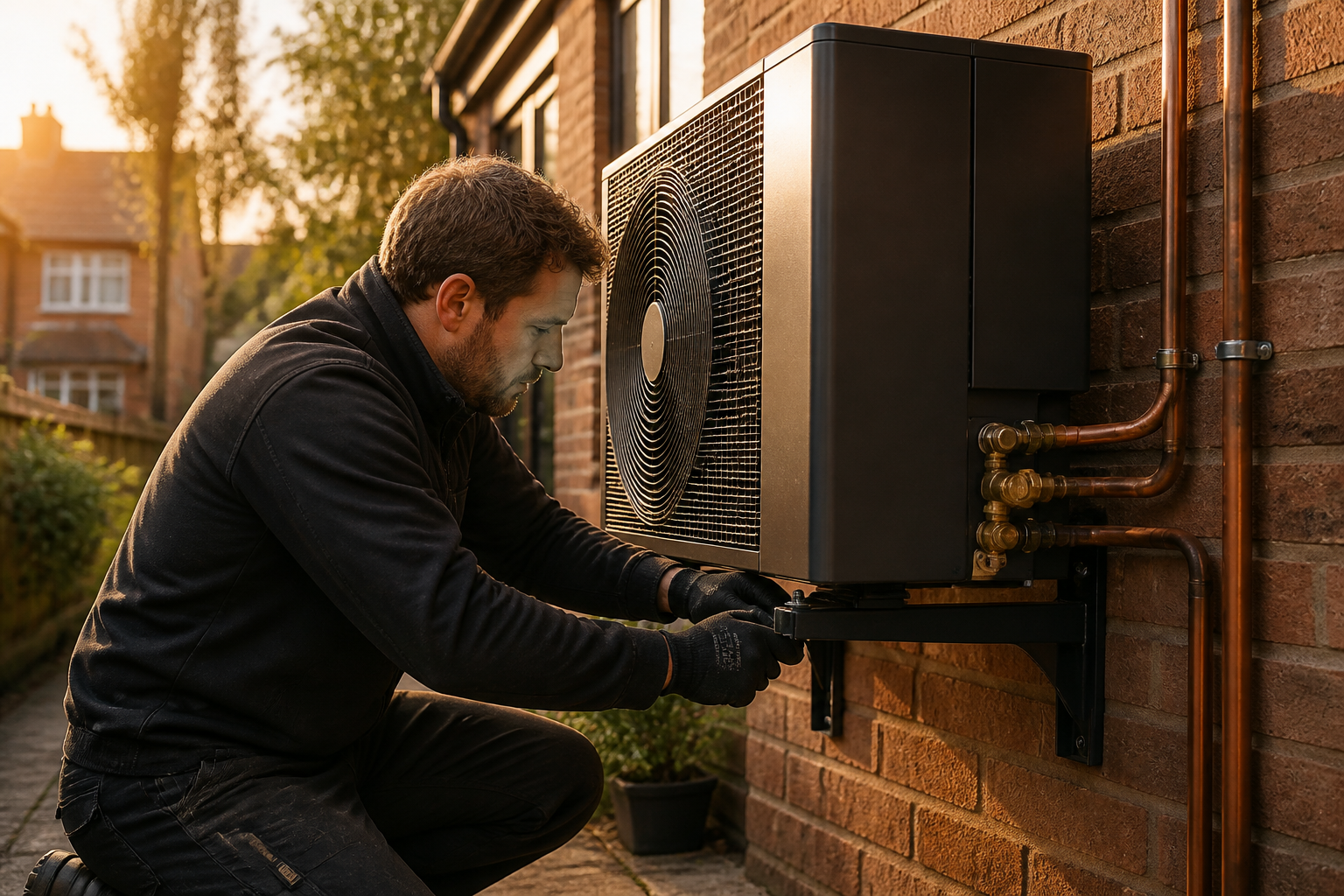
While climate adaptation often brings high-level infrastructure like sea defences and grid reinforcing to mind, a major portion of physical resilience sits within domestic properties. Extreme winter precipitation and summer heatwaves put severe pressure on traditional UK housing, which historically targeted simple space heating rather than holistic thermal management.
Retrofitting properties with heat pumps, rooftop solar panels, battery storage and structural insulation addresses both climate mitigation and physical adaptation. Heat pumps configured with dual heating and cooling functions help maintain comfortable indoor temperatures during summer heatwaves, while solar PV combined with domestic battery storage provides power resilience during local grid failures caused by storm events.
To understand how typical domestic retrofit measures contribute to property resilience, consider the following technical standard comparisons:
| Retrofit Measure | Technical Standard or Specification | Primary Resilience Function | Key Grid or Household Benefit |
|---|---|---|---|
| External or Loft Insulation | Building Regulations Approved Document L | Reduces heat loss rate (W/m²K) and thermal drift | Prevents indoor freezing during winter power outages |
| Air Source Heat Pump | MCS certified (SCOP typically 3.2 to 4.5) | Low-carbon space heating and optional cooling | Reduces vulnerability to volatile gas import prices |
| Rooftop Solar PV | MCS certified (IEC 61215 / IEC 61730) | Local power generation (kWp output) | Supplies daytime household baseline loads during outages |
| Home Battery Storage | BS 7671 and PAS 63110 compliance | Energy storage (kWh) with EPS isolation | Maintains critical circuits when the distribution grid drops |
Retrofit measures for household climate resilience
Householders looking to future-proof their homes against both climate risks and rising network costs can evaluate several core upgrade paths:
- High-performance insulation: Adding loft insulation up to 300mm depth or installing cavity wall insulation slows thermal decay, keeping homes stable during winter freezes and summer heatwaves.
- Heat pump integration: Replacing fossil fuel boilers with air source or ground source heat pumps running at low flow temperatures (35°C to 45°C) delivers consistent seasonal heating and efficient domestic hot water.
- Solar PV and battery storage: Microgeneration reduces dependence on centralized distribution grids during severe weather events, especially when paired with an emergency power supply switch.
- Venting and shading controls: Installing mechanical ventilation with heat recovery (MVHR) and exterior shading reduces solar heat gain without relying on inefficient portable air conditioning units.
What this means for your home
For UK employees and homeowners, the €500bn figure highlighted by edie reinforces that energy efficiency is no longer just about cutting monthly utility bills, it is about long-term property protection. Upgrading insulation, installing solar PV and moving to a modern heat pump protects your home from thermal extremes while lowering vulnerability to future energy price volatility.
If you are evaluating home improvements this year, prioritizing foundational measures like draft proofing and insulation will maximize the efficiency of any subsequent heat pump or solar installation. Installing MCS-accredited systems ensures compliance with UK building regulations and maintains eligibility for government grants, such as the Boiler Upgrade Scheme in England and Wales.
While payback periods vary based on property size, orientation and energy usage patterns, combining solar generation with battery storage allows households to maximize self-consumption and guard against grid disruptions caused by increasingly frequent severe weather events.
What this means for employers
For HR, reward and sustainability leaders, rising climate resilience costs highlight the broader pressures facing employees at home. High energy bills combined with property maintenance costs during severe weather directly impact workforce financial well-being and productivity, particularly for employees who work remotely.
Offering practical home energy benefits enables organizations to help staff build resilience against rising energy costs without adding financial strain to payroll budgets. Through the Net Zero Home Scheme, employers can provide their workforce with access to member pricing on accredited solar PV, heat pump and battery storage installations delivered by certified installers across England, Scotland and Wales at zero cost to the organization.
By integrating home energy retrofits into corporate benefit structures, employers help staff protect their homes against changing climate risks while advancing company-wide Scope 3 emissions reduction targets.
Frequently asked questions
Why does Europe need €500bn for climate adaptation?
Research presented by the Taskforce on Net Zero Policy shows that existing infrastructure, including housing, energy grids and transport networks, requires substantial upgrades to cope with accelerating weather events, extreme temperatures and flooding through 2035.
How does a heat pump improve home climate resilience?
Modern heat pumps deliver high seasonal efficiency (SCOP) for winter heating and can be integrated with smart controls to optimize heating schedules. When paired with effective insulation, they maintain stable indoor temperatures during extreme cold snaps without relying on fossil gas networks.
Does adding battery storage protect against storm-related outages?
Yes, if the battery system is installed with an Emergency Power Supply (EPS) isolator switch compliant with BS 7671 standards. This allows essential household circuits to run from stored battery power even if the local distribution grid goes offline during severe weather.