Energy Independence Bill Enters Parliament With Bill Reforms
The UK Government introduced the Energy Independence Bill on 4 November 2026, setting out reforms to domestic energy bills, renewable grid connections and home efficiency.
- Written by
- Net Zero Home Scheme editorial team
- Last updated
- Topic
- policy, energy bills, heat pumps

On 4 November 2026, the UK Government introduced the Energy Independence Bill to Parliament, setting out regulatory changes to domestic energy bills, network planning and building performance standards (reported by GOV.UK and edie on 4 November 2026). Following the strategic updates covered in our full Budget 2026 guide, this draft legislation aims to address baseline standing charges and accelerate clean power development across England, Scotland and Wales.
The bill formalises long-term energy market reforms, including streamlined grid connections for domestic renewables and strengthened consumer protection rules. For reward leads tracking workforce financial wellbeing alongside upcoming payroll adjustments in April 2027, the legislative roadmap provides clear timelines on how national energy policy will influence household running costs over the coming years.
How legislative changes apply to a typical household: an illustration
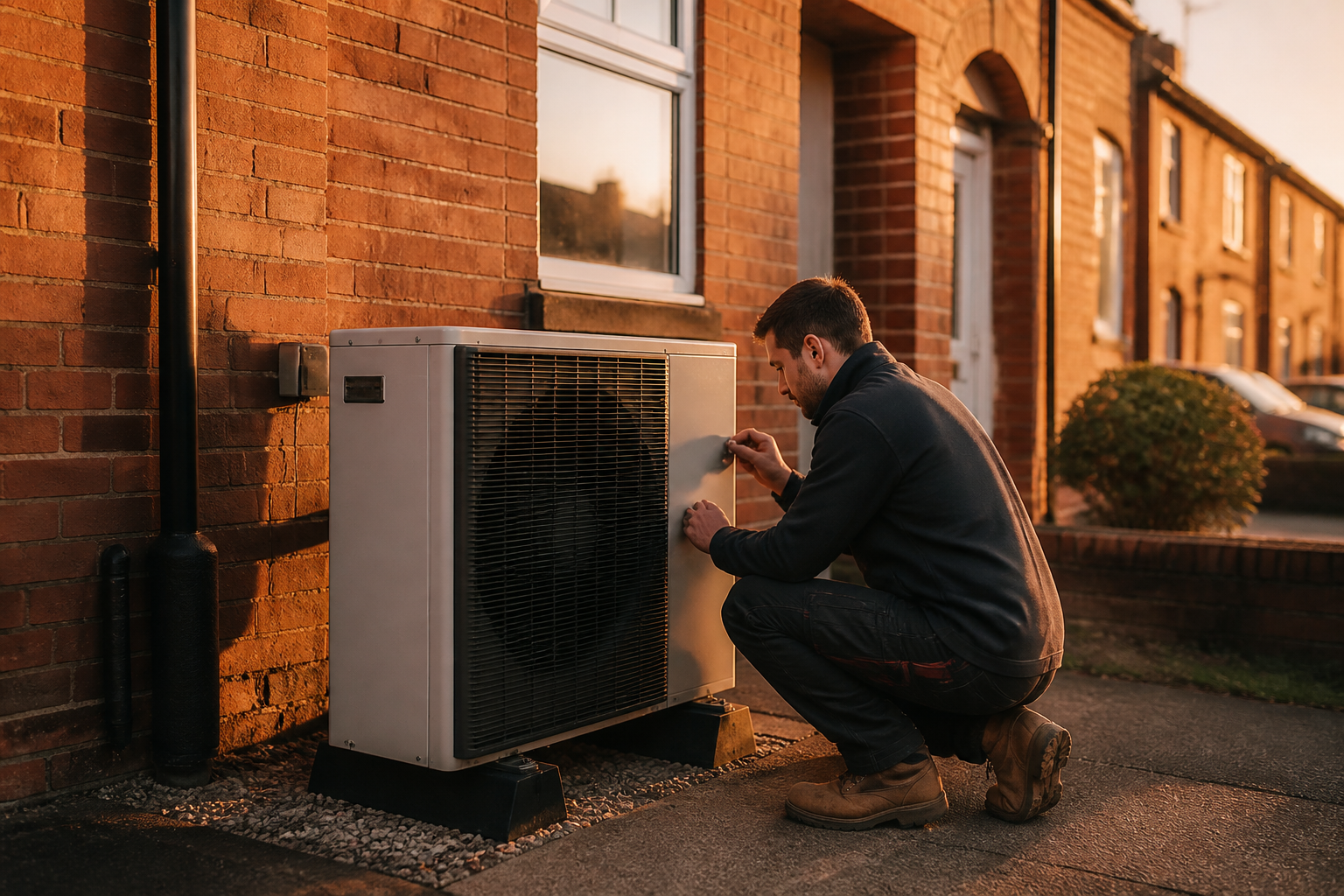
To understand how these energy reforms filter down to everyday financial decisions, consider Sarah, a reward manager at a 300-person logistics firm in West Yorkshire. Sarah lives in a three-bedroom semi-detached house with an aging gas boiler, currently facing annual energy costs of around £1,900 based on standard price caps.
At work, Sarah manages staff benefits and notices that home energy bills remain a leading source of personal financial stress among employees. At home, she is deciding whether to swap her gas boiler for an air source heat pump or install rooftop solar before tax rules update in 2027.
Under the Energy Independence Bill, structural adjustments to power market design aim to lower wholesale electricity rates over time relative to fossil fuels (GOV.UK, 4 November 2026). For Sarah's household, cheaper electricity improves the running economics of electric heating. Meanwhile, broader tax provisions set out by the Treasury establish a strict deadline for completing domestic upgrades at current tax rates.
Core measures within the Energy Independence Bill
The legislation introduces several specific regulatory mechanisms designed to modernise the UK energy grid:
- Tariff levy reallocation: Shifting policy costs off domestic electricity tariffs onto general taxation or wholesale gas structures to lower daytime power prices.
- Grid connection acceleration: Streamlining approval processes for local renewable generation and commercial grid connections.
- Consumer protection enhancements: Giving regulators stronger powers over smart meter maintenance standards and billing transparency.
- Heat network oversight: Placing urban district heating networks under formal Ofgem regulation to protect consumers from arbitrary price rises.
| Policy measure | Legislative status | Direct impact on households | Target timeline |
|---|---|---|---|
| Electricity levy shift | Energy Independence Bill clause 14 | Reduces cost per kWh of domestic power | Phased from 2027 |
| VAT on clean energy retrofits | Finance Bill 2026 provision | Tax on heat pumps and standalone batteries rises from 0% to 5% | 1 April 2027 |
| Boiler Upgrade Scheme | Departmental allocation | £7,500 upfront grant for heat pump installations | Fixed through 2028 |
| National Living Wage increase | Autumn Budget measure | Statutory minimum wage rises to £13.21 per hour | 1 April 2027 |
Household planning: payback, timing and heat upgrades
For homeowners evaluating home improvements, the alignment of the Energy Independence Bill and fiscal deadlines highlights clear decision points. If Sarah chooses to replace her gas heating with an air source heat pump, she can access a £7,500 grant through the Boiler Upgrade Scheme, provided the system is fitted by a Microgeneration Certification Scheme (MCS) installer.
Installation timing carries direct financial implications due to the scheduled end of the 0% VAT rate on energy-saving materials on 31 March 2027. On 1 April 2027, VAT on standalone home storage batteries and heat pumps increases to 5%. On a typical £10,000 heat pump installation, that 5% tax adjustment adds £500 to out-of-pocket costs if work takes place after the cutoff.
For property owners considering power generation, installing solar panels with a home battery allows families to store solar energy generated during peak day hours for use in the evening. Under standard export rates, export payments range between 8p and 15p per kWh, whereas peak grid power costs substantially more. Shifting space heating and home appliances to run on stored solar power directly lowers baseline utility outgoings.
Action points for workplace reward and HR leaders
From a reward perspective, Sarah's situation mirrors challenges faced by employers nationwide. As household costs continue to weigh on staff retention, HR teams are looking for practical ways to support employee financial resilience without inflating corporate overheads or adding administrative workload.
With mandatory payrolling of benefits coming into force on 6 April 2027 and the National Living Wage rising to £13.21 per hour in April 2027, compensation structures are under active review. Employees routinely seek practical workplace help with essential home expenses rather than secondary perk subscriptions.
To address employee demand for help with home energy bills without committing internal budget, employers are introducing structured home energy benefits. Joining The Net Zero Home Scheme gives employees access to member pricing on heat pump retrofits installed by vetted, accredited specialists. The scheme is completely free for employers to offer, requires no salary sacrifice or payroll changes, and provides staff with a direct way to reduce home heating costs.
By staying informed about national policy shifts like the Energy Independence Bill, reward leaders can design benefit packages that insulate employees against energy price swings while supporting organizational retention goals.