Energy Bills Forecast to Rise by £443 From January
BBC News reports typical annual household energy bills are projected to rise by £443 from January 2027, putting fresh pressure on household budgets and workplace reward strategies.
- Written by
- Net Zero Home Scheme editorial team
- Last updated
- Topic
- energy bills, solar, battery storage
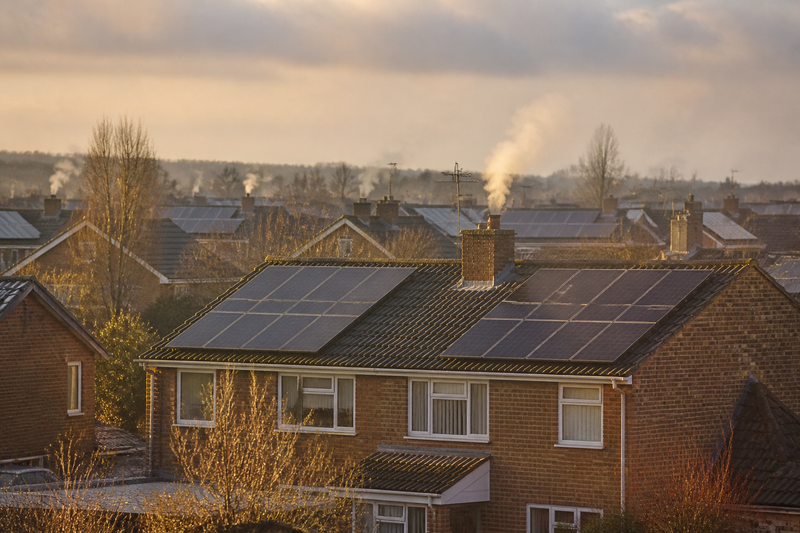
On 18 November 2026, BBC News reported that typical annual household energy bills across Great Britain are forecast to rise by £443 from January, representing a projected 26% increase as national inflation ticks upwards. The forecast indicates that standard domestic dual-fuel tariffs could see sharp upward adjustments when the next quarterly price cap takes effect.
The projection arrives weeks after the Chancellor delivered the Autumn statement, as detailed in our full Budget 2026 guide. While national fiscal policy has sought to stabilise broader economic indicators, wholesale energy price fluctuations continue to pass directly into household living costs, creating fresh challenges for reward teams reviewing employee financial wellbeing for the coming year.
To understand what this forecast means for employers and households, we test four common beliefs about rising winter energy bills against the latest market data.
Belief: Autumn Budget energy measures will fully offset winter bill increases
The evidence suggests otherwise. The government outlined targeted relief measures in the Autumn Budget, including funding directed towards vulnerable households and social support schemes. However, broad price cap movements set by Ofgem apply directly to standard variable tariffs across England, Scotland, and Wales.
When wholesale gas markets surge, the price cap formula reflects those procurement costs. For an average home consuming 2,700 kWh of electricity and 11,500 kWh of gas each year, a £443 annualised jump equates to roughly £37 extra per month across the year, with the cash impact heavily concentrated in the coldest heating months between January and March.
Targeted public allowances do not neutralise market-wide wholesale cost increases for standard working households. For employers, this means staff will feel the cost of heating and powering their homes immediately in their take-home pay, regardless of broader policy intentions.
Belief: Higher utility bills only hit staff with large, detached properties
Energy efficiency varies dramatically across the UK housing stock, but tariff increases apply per kilowatt-hour across all property types. A 26% rise increases standing charges and unit rates uniformly for anyone on a standard variable tariff.
According to the English Housing Survey, more than half of UK homes still hold an Energy Performance Certificate (EPC) rating of D or below. In uninsulated solid-wall terraces and poorly sealed flats, heat loss is rapid. Even modest two-bedroom dwellings can face steep utility costs when outdoor temperatures hover near freezing.
| Property type and typical efficiency | Annual consumption (kWh electricity / gas) | Projected monthly winter bill increase | Primary heat loss driver |
|---|---|---|---|
| Pre-1919 solid wall terrace (EPC E) | 3,100 / 14,200 | £48 to £58 | Uninsulated walls and suspended floors |
| 1930s cavity wall semi (EPC D) | 2,900 / 12,800 | £40 to £50 | Partial loft insulation and drafts |
| 1990s detached home (EPC C) | 3,400 / 13,500 | £42 to £52 | Glazing and higher floor area |
| Modern purpose-built flat (EPC B) | 2,100 / 6,500 | £22 to £28 | Standing charges and baseline electricity |
Because baseline appliances, lighting, and home electronics use power year-round, non-heating electric loads also become significantly more expensive under higher unit rates.
Belief: Generating your own power only improves household finances in summer
A common assumption is that home generation offers little protection against January bill spikes. While solar photovoltaic panels generate their highest yields between May and August, coupling solar panels and a battery on your roof alters winter economics.
Even on overcast winter days, a domestic array in the UK generates daylight electricity that offsets daytime standing load. More importantly, domestic storage batteries allow households to store off-peak electricity from overnight tariffs when power is cheaper and cleaner, discharging that stored energy during peak daytime and evening hours when grid prices are highest.
With grid electricity rates set to climb in January, every kilowatt-hour of imported peak power avoided represents a greater financial saving. The payback period for domestic storage systems shortens as retail electricity rates rise, because the spread between off-peak grid power and standard peak rates widens.
"Predictable winter price rises highlight why long-term structural changes to domestic energy use matter so much to working families. When households can generate and store their own electricity, they build genuine resilience against wholesale market shocks. Our focus remains on helping employers give their people practical, vetted routes to lower their ongoing running costs."
Gaurav Ahluwalia, General Manager, The Net Zero Home Scheme
Belief: Workplace benefits cannot ease domestic utility costs without complex payroll changes
Many reward and HR professionals assume that providing meaningful cost of living support requires direct subsidies, cash bonuses, or complex salary sacrifice arrangements that risk colliding with national minimum wage thresholds.
This is not the case. Employers can support their employees by facilitating commercial discounts on home energy technology that staff fund independently, avoiding payroll deductions altogether. In response to rising employee demand for help with home energy bills, organisations are introducing member-only rates through The Net Zero Home Scheme. The scheme is entirely free for employers to offer, requires no payroll changes or salary sacrifice setup, and connects workers with vetted, MCS-certified installers offering up to 15% off solar panels and a battery on your roof.
By helping employees tackle their single largest nondiscretionary bill, reward leads can deliver high-value financial wellbeing support without adding administrative friction to their internal teams.
Practical steps for households reviewing energy costs ahead of January
With higher rates forecast for the start of 2027, households can take concrete steps now to mitigate the impact:
- Check meter readings on the date tariff changes take effect to prevent older usage from being billed at higher rates.
- Review smart time-of-use tariffs that provide cheaper overnight electricity rates for running washing machines, dishwashers, and home batteries.
- Check whether your roof pitch and orientation suit a solar array; south, east, and west roofs across England and Wales offer viable generation yields.
- Ensure any prospective installer is certified under the Microgeneration Certification Scheme (MCS) and registered with a consumer code such as RECC or HIES.
- Review standing charges across competing suppliers, as regional variations can alter annual fixed costs by over £100.
Key considerations for HR and reward leaders this winter
For employer teams planning reward communications and wellbeing initiatives, the prospect of higher household bills alters workplace priorities:
- Recognise that utility inflation acts as a direct reduction in real disposable income, particularly for hybrid and remote staff who heat their homes during core working hours.
- Audit existing voluntary benefits portfolios to ensure perks address non-discretionary outgoings rather than exclusively discretionary retail discounts.
- Provide clear educational resources on home energy efficiency, seasonal heating controls, and independent grant options such as local authority retrofit funding.
- Explore turnkey discount schemes that let staff access accredited home upgrades without burdening payroll, legal, or finance departments with ongoing scheme administration.