BBC Survey Shows Rising Living Costs as Energy Pressures Persist
A BBC News survey reveals rising cost of living pressures across the UK, highlighting why domestic energy upgrades remain central to household budgets and workplace reward plans.
- Written by
- Net Zero Home Scheme editorial team
- Last updated
- Topic
- energy bills, employee benefits, solar
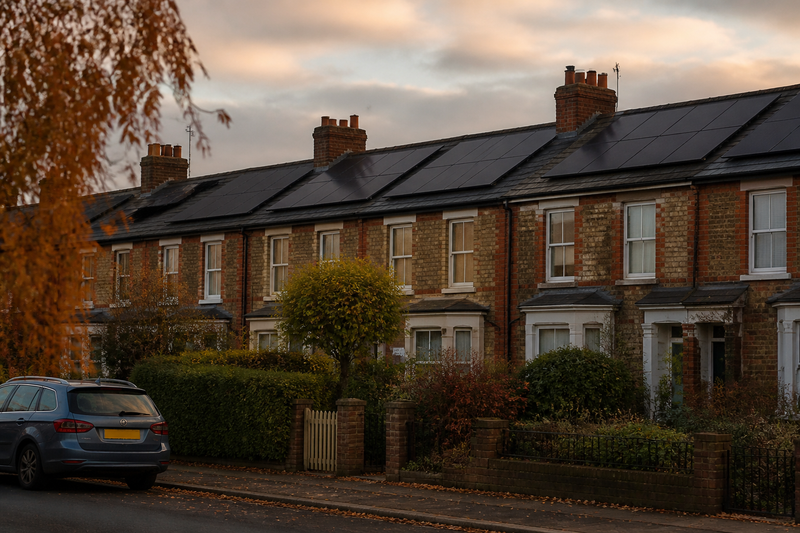
On 20 November 2026, BBC News reported that a comprehensive survey revealed a major increase in the cost of living, with more than two thirds of respondents noticing distinct rises in their routine expenses. Many employers assumed that national policy measures detailed in our full Budget 2026 guide would immediately ease domestic financial pressure, but that expectation falls short as high utility tariffs continue to absorb household income.
While macroeconomic indicators show gradual stabilisation, the day-to-day experience of working families tells a different story. Electricity and heating bills remain substantially higher than historical averages, meaning that headline inflation figures do not always reflect the real strain on monthly disposable pay.
Why are household budgets feeling tighter despite recent policy announcements?
Household budgets feel tighter because structural utility expenses and domestic running costs have remained stubbornly high throughout late 2026. According to the BBC News survey published on 20 November 2026, over two thirds of participants reported significant living cost increases across everyday essentials. Even with targeted government relief packages, energy bills continue to represent a disproportionate share of monthly expenditure for typical working homes.
Many of the broader fiscal adjustments announced in recent Treasury updates operate on extended implementation schedules. The increase of the National Living Wage to £13.21 per hour takes effect in April 2027, which leaves workers managing current winter expenses without immediate pay adjustments. Furthermore, standing charges and peak electricity unit rates remain elevated across England, Scotland and Wales, meaning that households cannot rely solely on broad policy pledges to lower their outgoings.
How should reward teams adapt benefit strategies for ongoing living cost pressures?
Reward and human resources leaders should address living cost pressures by offering practical initiatives that permanently lower domestic utility overheads. Conventional workplace benefits such as gym discounts or minor retail vouchers provide welcome perks, but they do not solve the fundamental issue of inflated household energy bills. Employees increasingly value workplace support that directly protects their domestic cash flow against fluctuating utility rates.
Forward-thinking employers are assessing how workplace programmes can deliver tangible cost reductions without increasing company overheads or complicating existing operations. Providing access to home upgrades allows organisations to support workforce financial wellbeing while avoiding complex administration.
| Workplace initiative | Implementation requirement | Direct impact on employee finances |
|---|---|---|
| Home energy benefit | Zero payroll administration | Lowers household electricity expenditure year round |
| Financial education sessions | Scheduled lunch seminars | Improves budgeting clarity and debt management |
| Travel ticket loans | Standard payroll deduction | Spreads annual commuting costs across monthly pay |
| Discount shopping portals | Single sign-on platform | Delivers marginal savings on routine groceries |
Selecting benefits that target structural household outgoings ensures that employer support delivers measurable, ongoing value throughout every season of the year.
Which domestic energy improvements deliver the most stable bill reductions?
Installing rooftop solar panels alongside a home battery delivers the most reliable reduction in household power costs by capturing free daylight energy for evening use. Generating power on site shields occupants from peak grid electricity rates, allowing households to run heavy appliances without worrying about tariff spikes. A domestic battery stores surplus generation from bright afternoons, which can then power household lighting, cooking and refrigeration after sunset.
System performance depends on roof orientation, pitch and local shading, but modern installations consistently reduce reliance on grid electricity across the year. Certified installations carry MCS accreditations, ensuring consumer protection under RECC or HIES consumer codes and compliance with strict electrical standards. Because domestic storage operates automatically, families benefit from reduced daytime imports without needing to manage complex operational settings manually.
"Recent survey data reflects the daily reality facing working households across the country, where energy bills continue to form a major portion of monthly expenditure. Practical home upgrades give families genuine, lasting control over their power consumption today. When employers make these installations accessible through straightforward workplace benefits, they provide meaningful relief that supports staff long into the future."
Gaurav Ahluwalia, General Manager, The Net Zero Home Scheme
How do upcoming tax deadlines affect home energy installation plans?
Households considering domestic energy improvements should note that the current 0% VAT rate on clean home installations is scheduled to rise to 5% on 1 April 2027. Completing works before this transition date prevents an automatic cost increase on materials and labour. For an average residential project, this tax adjustment will add hundreds of pounds to the final invoice, making early installation financially advantageous.
Lead times for qualified MCS contractors typically range between four and eight weeks, meaning households benefit from planning their upgrades well in advance of statutory deadlines. For employers seeking practical ways to help, The Net Zero Home Scheme enables businesses to offer staff up to 15% off solar panels and a battery on their roof with vetted, accredited installers. The scheme requires no salary sacrifice and creates zero payroll deduction tasks for reward teams, making it simple to roll out without administrative drag.
By taking proactive steps to address core domestic utility costs, employers can deliver meaningful financial support that directly counters ongoing living cost pressures.