UK Household Bills Forecast to Hit £1,999 from January
BBC News reports typical UK household energy bills are forecast to reach £1,999 in January, marking the largest rise in four years.
- Written by
- Net Zero Home Scheme editorial team
- Last updated
- Topic
- energy bills, tariffs, solar
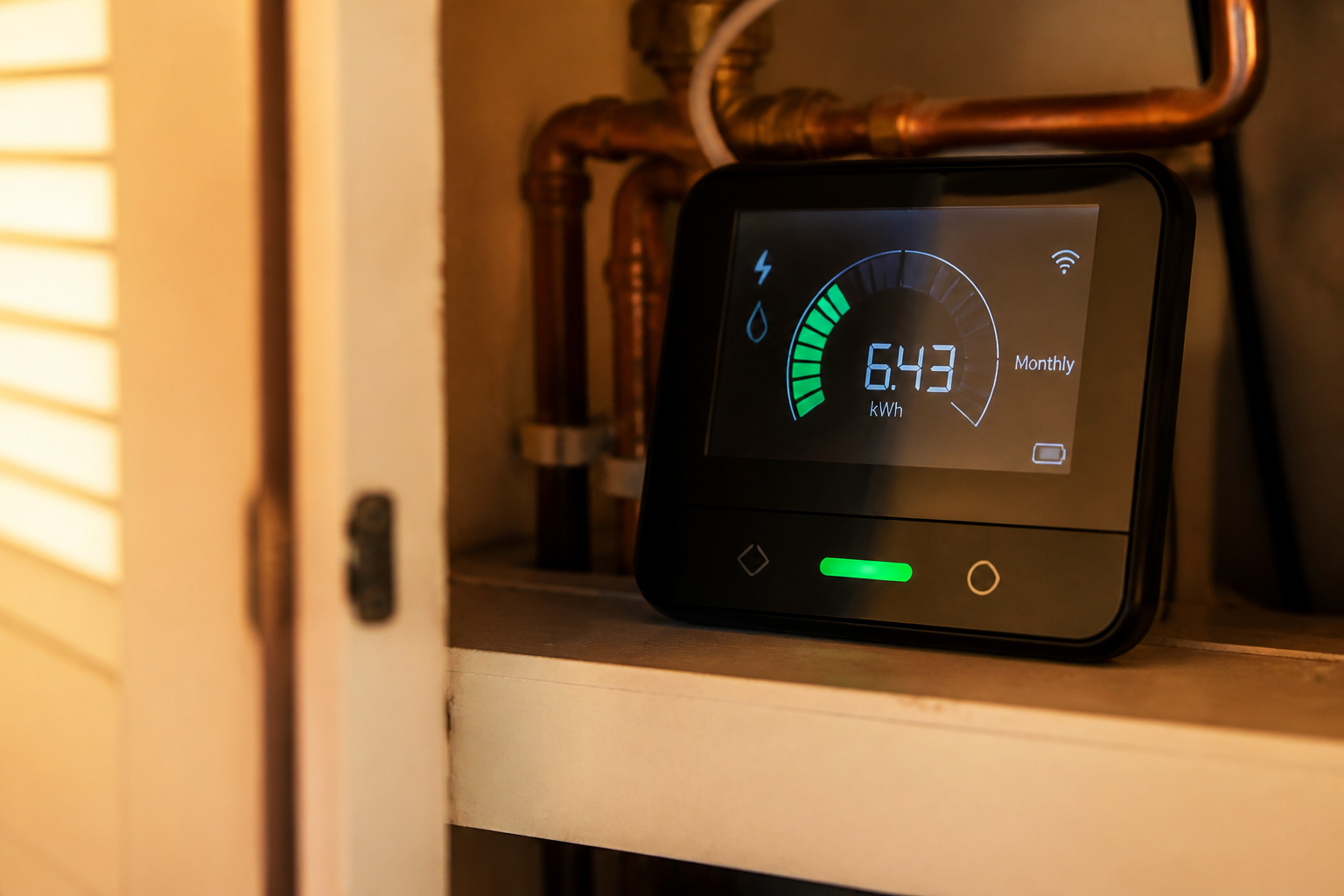
Annual household energy bills in Great Britain are forecast to see their largest rise in four years, reaching an average of £1,999 from January, according to energy market projections reported by BBC News on 30 September 2026. The projected surge reflects sustained pressure on international wholesale energy markets, pushing household utility costs back toward levels last seen during the peak of the recent energy price crisis.
The figure, calculated for a typical dual-fuel household paying by direct debit, highlights an accelerating upward trend in domestic energy tariffs as Britain enters the colder winter months. For householders and employers monitoring living costs, the forecast signals that grid electricity and mains gas expenses will remain a dominant pressure on household budgets into 2027.
What the numbers say
The latest market analysis provides concrete figures on where domestic utility expenses are heading over the coming months. According to reporting by BBC News on 30 September 2026, the key metrics driving the winter forecast include:
| Metric | Reported Value | Source & Date | Market Context |
|---|---|---|---|
| Forecast Annual Bill | £1,999 | BBC News, 30 September 2026 | Projected standard dual-fuel tariff from January |
| Increase Rate | Largest rise in four years | BBC News, 30 September 2026 | Compares year-on-year winter price trajectory |
| Primary Cost Drivers | Wholesale gas and power | BBC News, 30 September 2026 | Global gas market volatility and winter demand |
Where independent market estimates differ slightly on exact pence-per-kilowatt-hour (p/kWh) breakdowns, forecasters agree that both unit rates and standing charges face upward pressure. While regulator Ofgem adjusts the official price cap quarterly based on backward-looking wholesale observations, forward-looking energy contracts traded in late September have pushed winter contract values sharply higher.
Why winter energy forecasts are moving upward
Domestic energy tariffs in Great Britain remain closely tied to international gas prices. Because natural gas fired power stations continue to set the marginal price of electricity on the British grid during peak demand hours, increases in wholesale gas directly inflate both heating and power bills.
When wholesale gas prices rise, the cost per kilowatt hour (kWh) for mains gas increases alongside the unit rate for grid electricity. Although the UK continues to connect more renewable power generation, grid infrastructure constraints and seasonal reductions in solar output during winter mean fossil fuel generation remains the price setter for electricity tariffs.
Furthermore, network standing charges, which cover the fixed costs of maintaining electricity pylons, gas pipes, and grid balancing services, have remained elevated. This combination of rising wholesale unit rates and fixed daily charges means even low-consuming households face higher baseline utility expenses.
How rising energy tariffs impact household technology payback

When standard energy tariffs rise, the financial return on domestic clean technology changes rapidly. Generating electricity on-site or shifting grid consumption to lower-cost hours becomes significantly more valuable when standard unit rates climb.
- Solar Photovoltaics (PV): Higher grid electricity rates increase the value of every kilowatt hour generated and consumed on site. A typical 4 kWp roof mounted system producing 3,600 kWh annually saves significantly more money each year when grid power costs rise, shortening the financial payback period.
- Battery Storage: For homes on time-of-use tariffs, battery storage allows householders to charge from the grid during cheaper off-peak hours or store daytime solar power for evening use. As peak grid rates rise, the spread between peak and off-peak tariffs widens, improving battery return on investment.
- Heat Pumps: With a Seasonal Coefficient of Performance (SCOP) between 3.0 and 3.5, a modern heat pump delivers three to three and a half units of heat for every unit of electricity consumed. Rising gas prices improve heat pump running cost comparisons against aging gas boilers, particularly when paired with smart tariffs.
- Plug-in Balcony Solar: Small-scale microinverter systems generating 300W to 800W help offset baseline daytime electrical loads. When grid rates climb, offsetting continuous home standby loads yields immediate bill relief without major home modifications.
An accredited installation carried out under Microgeneration Certification Scheme (MCS) standards ensures that systems meet safety, grid connection, and performance criteria, allowing householders to claim smart export tariffs for excess generation.
Frequently asked questions
Will household energy bills definitely reach £1,999 in January?
The £1,999 figure reported by BBC News on 30 September 2026 is a market forecast based on forward wholesale gas and electricity prices. Official quarterly price cap figures are formally set by Ofgem using a defined calculation window, so final capped tariffs may vary slightly depending on wholesale market movements prior to the official announcement.
How does a higher unit price affect the payback period of solar panels?
When grid electricity unit rates rise, the money saved by consuming self-generated solar electricity increases. For example, if grid power costs 30p per kWh instead of 24p per kWh, a household consuming 2,500 kWh of solar energy saves £750 annually rather than £600, directly reducing the years required to recoup initial equipment and installation costs.
Should households lock in a fixed energy tariff now or stay on the price cap?
Fixing an energy tariff depends on individual risk tolerance and the specific unit rates offered by suppliers relative to market forecasts. A fixed contract offers price certainty against potential winter spikes, but householders should compare the standing charges and unit rates against projected price cap levels before committing to early exit fees.
What this means for your home
If you are a UK employee or homeowner planning home energy decisions for late 2026 and early 2027, higher forecast energy bills reinforce the importance of reducing reliance on standard grid tariffs.
- Review current unit rates and standing charges: Check your daily gas and electricity pence-per-kWh rates on your latest bill to establish your baseline home running costs.
- Evaluate energy efficiency measures: Ensure loft insulation meets the modern 270mm depth standard and draught-proof doors and windows to reduce thermal heat loss before cold weather sets in.
- Assess renewable technology options: Higher forecasted grid rates shorten payback timelines for MCS-accredited solar PV, heat pumps, and home battery storage. When obtaining quotes, ensure installers belong to recognized consumer protection bodies like RECC or HIES and electrical bodies like NICEIC.
- Consider plug-in solar and smart controllers: For renters or those in flats, smaller plug-in systems or smart thermostatic radiator valves (TRVs) offer quick routes to manage continuous baseload power and heating demand.
What this means for employers
Rising domestic utility bills directly affect employee wellbeing, disposable income, and financial stress heading into the winter months. HR, reward, and sustainability leaders should anticipate increased employee interest in practical cost-of-living support that extends beyond short-term stipends.
Providing access to home energy solutions helps staff build long-term resilience against volatile energy tariffs. For organizations looking to support staff with rising domestic utility costs, the Net Zero Home Scheme provides a practical benefit by giving employees member pricing on accredited solar, heat pump, battery storage, and plug-in solar installations at no cost to the employer.
By offering clear information on home energy upgrades and accredited installation routes, employers can support both corporate ESG targets and workforce financial well-being without adding burden to payroll systems.