Social Housing Landlords Plan Record Spend on Home Repairs
The Regulator of Social Housing confirms English social landlords will invest record amounts in home repairs, building safety and energy efficiency upgrades.
- Written by
- Net Zero Home Scheme editorial team
- Last updated
- Topic
- policy, energy efficiency, home energy
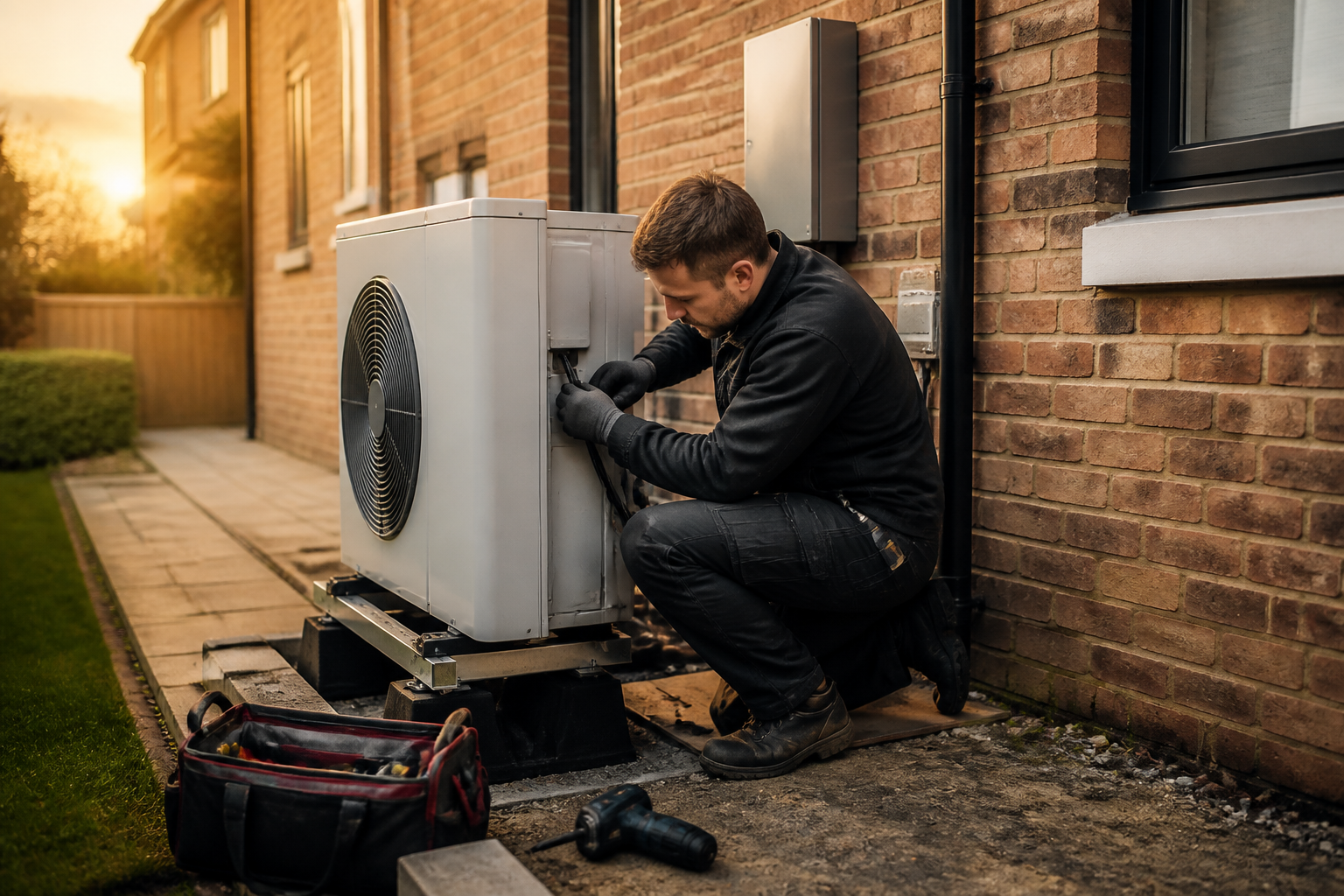
On 6 October 2026, the Regulator of Social Housing published its annual financial forecasts report for private registered providers on GOV.UK, confirming that English social housing landlords plan to invest record amounts in existing homes. The regulator's assessment shows housing associations and private registered providers prioritizing building safety, major repairs, and thermal efficiency upgrades over the coming financial period.
The document details how registered providers are reallocating capital expenditure to rectify building defects, combat damp and mould, and raise energy performance across their properties. While housing providers face tight operating margins and high borrowing costs, regulatory demands for higher housing standards have driven maintenance and retrofitting budgets to unprecedented levels.
Key changes in social housing capital allocation

The financial forecasts report published on GOV.UK on 6 October 2026 highlights a strategic pivot among social housing providers. Landlords are directing a larger share of their long-term budgets toward bringing properties up to modern energy efficiency and safety standards. This shift comes as housing associations work to satisfy statutory requirements under the Decent Homes Standard and support wider national net zero targets.
To meet regulatory expectations, housing providers are accelerating retrofitting projects across their portfolios. Primary operational focus areas identified in the report include:
- Energy performance improvements, focusing on insulation and clean heating systems to help low-income households manage fuel costs.
- Remediation of damp and mould issues through enhanced ventilation and building envelope insulation.
- Building safety improvements, including fire safety measures and structural compliance following recent legislative updates.
- System replacements, covering ageing gas boilers, outdated consumer units, and ineffective double glazing.
For heating and energy retrofits, providers are increasingly specifying heat pumps, roof-mounted solar photovoltaic panels, and decentralised mechanical ventilation with heat recovery systems. These upgrades aim to lower operational running costs for residents while cutting operational carbon emissions across the housing stock.
What the numbers say
Figures published by the Regulator of Social Housing on GOV.UK on 6 October 2026 demonstrate the scale of financial commitment planned across the English social housing sector. The data reflects medium-term financial submissions from private registered providers operating across England.
| Indicator | Reported Detail | Source and Date |
|---|---|---|
| Publication Title | Financial Forecasts of Private Registered Providers Report | GOV.UK, 6 October 2026 |
| Regulatory Body | Regulator of Social Housing (RSH) | GOV.UK, 6 October 2026 |
| Investment Direction | Record capital expenditure allocated to repairs and maintenance | GOV.UK, 6 October 2026 |
| Primary Focus Areas | Damp remediation, fire safety, and energy efficiency retrofits | GOV.UK, 6 October 2026 |
| Geographical Scope | Registered providers operating in England | GOV.UK, 6 October 2026 |
The regulator notes that while spending commitments are at historic highs, financial headroom across the sector remains constrained. Social landlords are navigating inflated material prices, skilled labor shortages, and high interest rates on existing debt, meaning providers must manage project delivery schedules with extreme care.
Where specific expenditure totals or regional breakdowns were not detailed in the summary document published on 6 October 2026, the regulator has emphasized that individual housing provider accounts will offer granular project details in upcoming statutory filings.
Technical standards and installer requirements
The influx of capital into social housing repairs directly affects supply chains and installer accreditation across England. Landlords commissioning major retrofits require contractor compliance with strict national standards to ensure public funds are deployed effectively.
To participate in social housing energy retrofit programmes, installation contractors must maintain appropriate certifications and align with technical frameworks:
- PAS 2035 and PAS 2030 standards: Mandatory frameworks governing retrofitting design, risk management, and installation quality for domestic energy efficiency projects.
- Microgeneration Certification Scheme (MCS): Required for all installers fitting heat pumps, solar PV panels, or battery storage units under publicly funded schemes.
- TrustMark registration: The government-endorsed quality scheme confirming technical competence and consumer protection standards.
- Approved Documents L and F: Strict compliance with English Building Regulations regarding conservation of fuel and power, alongside controlled ventilation.
- NICEIC or NAPIT accreditation: Necessary certification for electrical work, consumer unit upgrades, and high-voltage heat pump or battery installations.
This high volume of regulatory compliance work in the social sector is absorbing a significant portion of the UK's accredited installation capacity. As a result, home energy installation companies are expanding training programs to meet demand for qualified heat pump engineers and qualified electricians.
Frequently asked questions
What is the Regulator of Social Housing report?
It is an annual financial publication from the Regulator of Social Housing, published on GOV.UK, that analyses the multi-year financial forecasts submitted by private registered social housing providers in England.
How does social housing investment affect private householders?
Heavy investment by social housing providers increases overall demand for certified heat pump and solar installers, driving industry standards higher while occasionally creating localized waiting lists for domestic installations.
Must installers meet specific qualifications for housing association work?
Yes, contractors working on social housing retrofits must adhere to PAS 2035 retrofitting standards and hold relevant accreditations such as MCS, TrustMark, and NICEIC certification.
What this means for your home
For private householders and owner-occupiers, the record spending planned by social housing landlords carries several practical implications. High demand for heat pumps, solar panels, and cavity or wall insulation across thousands of social housing units stabilizes supply chains, which can help lower equipment costs over time.
However, in the short term, intense commercial activity in the social sector can tighten installer availability. If you are planning a home energy upgrade, such as replacing an old gas boiler with an air source heat pump or installing a rooftop solar array, you should factor in potential lead times for accredited installers. Ensuring your chosen contractor holds MCS and TrustMark credentials remains essential for securing grant funding and ensuring installation quality.
For households living near social housing retrofit schemes, local supply chains may become more accessible, as regional installers build capacity to deliver both commercial housing association contracts and private domestic installations.
What this means for employers
For HR directors, reward managers, and sustainability leads, rising attention on home energy performance highlights the ongoing pressure UK workers face regarding domestic utility costs. High energy bills remain a primary concern for employees, influencing household budgets and remote-working expenses.
Employers seeking to support their workforce with practical, non-taxable sustainability initiatives can provide access to benefits that reduce home energy overheads. The Net Zero Home Scheme offers employees member pricing on accredited solar panel systems, heat pumps, home battery storage, and plug-in solar installations, involving no cost to the employer, no payroll deduction, and no salary sacrifice arrangement.
By offering structured access to accredited home clean energy tech, organisations can help staff lower long-term domestic energy costs while contributing directly to corporate scope 3 carbon reduction goals.