UK Government Outlines Winter Weather Resilience Measures
GOV.UK has announced winter resilience measures and a household readiness campaign as national infrastructure prepares for severe winter weather.
- Written by
- Net Zero Home Scheme editorial team
- Last updated
- Topic
- energy efficiency, battery storage, policy
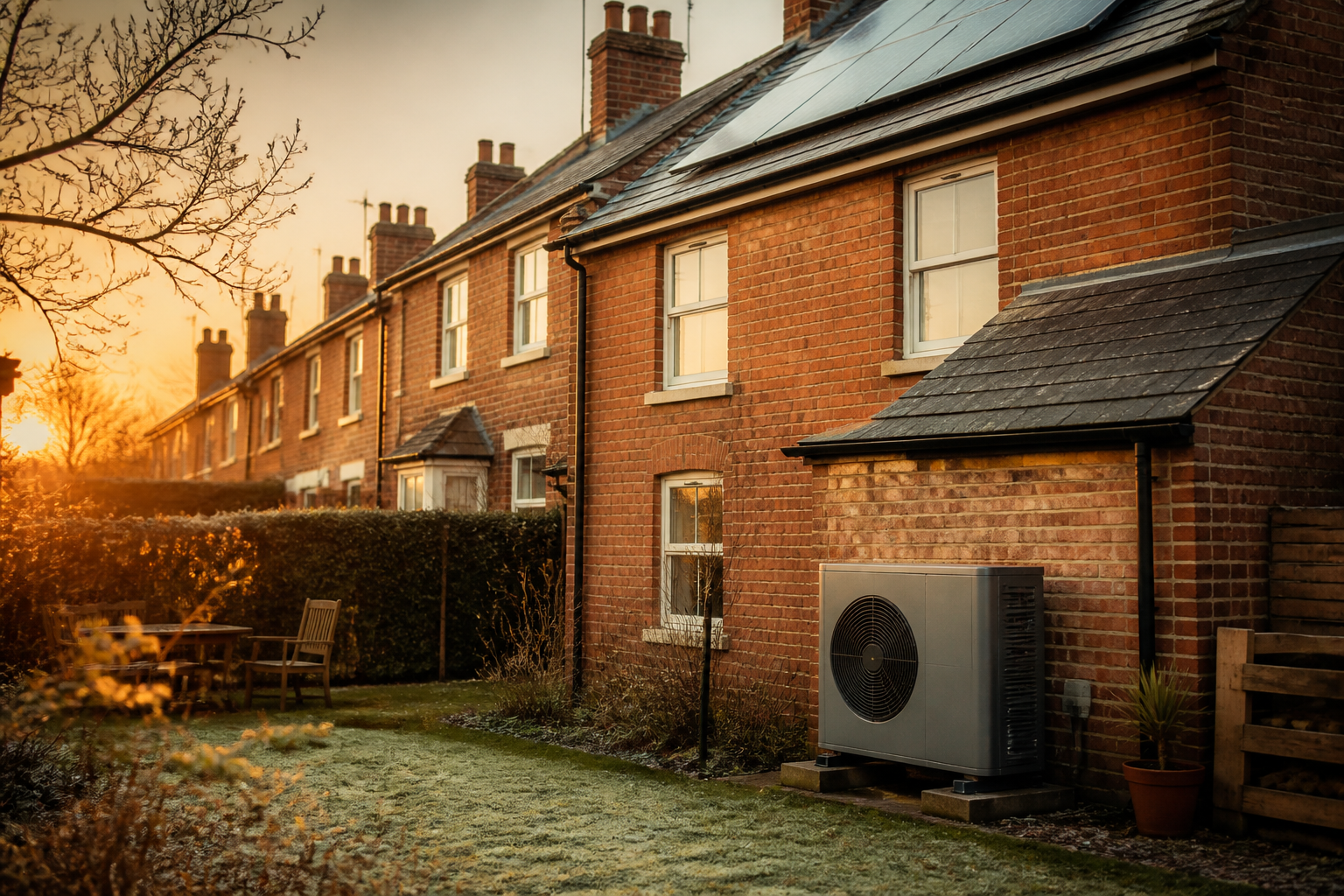
The UK Government announced nationwide winter infrastructure resilience measures on 2 October 2026 to protect communities, utilities, and businesses from extreme weather disruption. Alongside physical network reinforcements, a public awareness campaign will launch later this autumn to give households practical guidance on emergency readiness and energy resilience.
Reporting published by GOV.UK on 2 October 2026 details how central departments, local authorities, and utility operators are coordinating ahead of the 2026 to 2027 winter period. The strategy focuses on maintaining critical power, water, and transport infrastructure during severe cold snaps, high winds, and flooding events.
Key details of the winter resilience framework
The policy announcement establishes a framework for managing weather-related risks across key utility and infrastructure sectors. Energy distribution network operators (DNOs) and local emergency planning groups are expanding operational readiness to reduce power supply interruptions caused by storm damage.
Key elements of the government resilience updates include:
- Infrastructure reinforcement across electricity transmission and distribution networks to lower storm outage rates.
- Public guidance campaigns launching later in autumn 2026 to help households prepare for potential winter power cuts or severe cold.
- Inter-agency coordination protocols linking local resilience forums, emergency services, and energy network operators.
- Support pathways for vulnerable energy consumers registered on Priority Services Registers with energy suppliers and network operators.
What the numbers say
- According to GOV.UK on 2 October 2026, targeted national infrastructure upgrades have been scheduled across England, Scotland, and Wales ahead of the upcoming winter season.
- As published by GOV.UK on 2 October 2026, a public awareness campaign launching later in autumn 2026 will provide step-by-step emergency planning advice directly to UK households.
- In related community funding details published by GOV.UK on 2 October 2026, the Connect Fund will offer grants of up to £500,000 for voluntary and community groups, with applications opening in November 2026.
Infrastructure resilience and domestic clean energy technology

Severe winter weather places specific demands on domestic heating and electricity systems. Low ambient temperatures reduce heat pump performance slightly while increasing heating demand, while storm events heighten the risk of localized grid outages.
Households using heat pumps, solar PV, or battery storage benefit from knowing how these technologies interact with winter weather conditions and grid stability.
Air source heat pumps in freezing conditions
Modern air source heat pumps designed for UK homes operate efficiently down to outdoor temperatures below -15°C. However, prolonged freezing conditions trigger automatic defrost cycles, which periodically use a small amount of heat to clear frost from the outdoor evaporator coil.
To protect monobloc heat pump systems against electrical outages during severe frost, installers fit anti-freeze valves or fill primary heating circuits with a glycol mixture. Anti-freeze valves automatically drain water from the external pipework if fluid temperatures drop near freezing during an extended power failure, preventing pipe bursts without requiring continuous grid power.
Solar PV performance during winter months
UK solar generation drops significantly between November and February due to shorter daylight hours and lower sun angles. A typical 4 kWp rooftop solar array in central England produces roughly 10 percent to 15 percent of its annual yield during the four winter months.
Snow cover on solar panels temporarily halts generation, but dark panel surfaces usually melt thin snow layers quickly once sunlight returns. Systems connected to home battery storage continue to operate by charging from the grid during cheaper off-peak overnight tariff windows.
Battery storage and Emergency Power Supply (EPS)
Standard grid-tied battery storage systems shut down automatically during a mains power outage to prevent islanding, which protects network engineers working on local power lines. However, systems equipped with a dedicated Emergency Power Supply (EPS) switch or automatic transfer switch can continue supplying electricity to designated home circuits during a blackout.
An EPS setup isolates the property's essential load circuit, such as lighting, refrigeration, and heating controls, from the wider grid, running directly off stored battery energy until mains power returns.
| Winter Risk Factor | System Impact | Technical Mitigation Standard |
|---|---|---|
| External pipe freezing | Damage to outdoor monobloc heat pump pipework | Mechanical anti-freeze valves or glycol coolant (BS 7593) |
| Mains power failure | Inverter shutdown, loss of domestic heating controls | BS 7671 compliant Emergency Power Supply (EPS) isolator |
| Extended winter darkness | Reduced direct solar PV generation | Off-peak grid battery charging via smart metering |
| Low ambient temperature | Higher heat pump compressor lift and lower SCOP | Weather compensation controls fitted to outdoor sensor |
What this means for your home
UK householders preparing for winter can take clear operational steps to protect their energy systems and improve household resilience:
- Check your heating system controls: Ensure external heat pump sensors are free from obstruction and weather compensation settings are active to keep flow temperatures optimized as outdoor temperatures drop.
- Review emergency power capabilities: If you have a home battery, confirm whether your installation includes an active EPS socket or switchable backup circuit, and test the switchover procedure ahead of winter.
- Join the Priority Services Register: Households with heat pumps, medical equipment, or elderly residents should register with their local Distribution Network Operator (DNO) for prioritized support during extended outages.
- Check insulation integrity: Inspect loft insulation for gaps and check pipe insulation on any external heat pump pipework to prevent thermal losses and freezing risks.
What this means for employers
Rising winter energy demands and grid reliability concerns directly affect employee well-being and home-working stability. Severe weather disruptions can impact remote staff who rely on continuous power and heating during winter months.
Forward-thinking HR and benefit managers are increasingly looking at practical ways to support staff home energy resilience without adding financial complexity to payroll. Options that provide discounted access to heat pumps, solar panels, and battery storage help employees reduce baseline energy overheads and maintain emergency backup capacity.
Employers evaluating options for their workforce can provide support through the Net Zero Home Scheme. Delivered by Net Zero Benefits alongside The Electric Car Scheme, the UK's largest independent salary sacrifice provider, the Net Zero Home Scheme is completely free for employers, involves no salary sacrifice or payroll deduction, and gives employees member pricing on accredited solar, heat pump, and battery installations across England, Scotland, and Wales.
Frequently asked questions
When does the government winter resilience awareness campaign start?
According to GOV.UK reporting on 2 October 2026, the national public awareness campaign will launch later in autumn 2026, providing households with practical steps for emergency readiness and winter weather preparation.
Can a home battery keep heating working during a power outage?
Yes, provided the battery system includes a correctly installed Emergency Power Supply (EPS) switch complying with BS 7671 electrical standards. The EPS circuit must feed electricity to the heating controller and primary pumps while keeping the home safely isolated from the main electricity grid.
Do heat pumps require special maintenance before winter?
Air source heat pumps require minimal routine maintenance, but householders should ensure the outdoor fan unit is clear of leaves and debris, verify that external pipe insulation is intact, and check that anti-freeze valves operate correctly before freezing weather arrives.