UK Household Electricity Tax Cut Comes Into Force Today
A government tax cut on domestic electricity bills came into effect on 1 October 2026, offering partial relief as autumn energy price cap increases take effect across Great Britain.
- Written by
- Net Zero Home Scheme editorial team
- Last updated
- Topic
- energy bills, policy, home energy
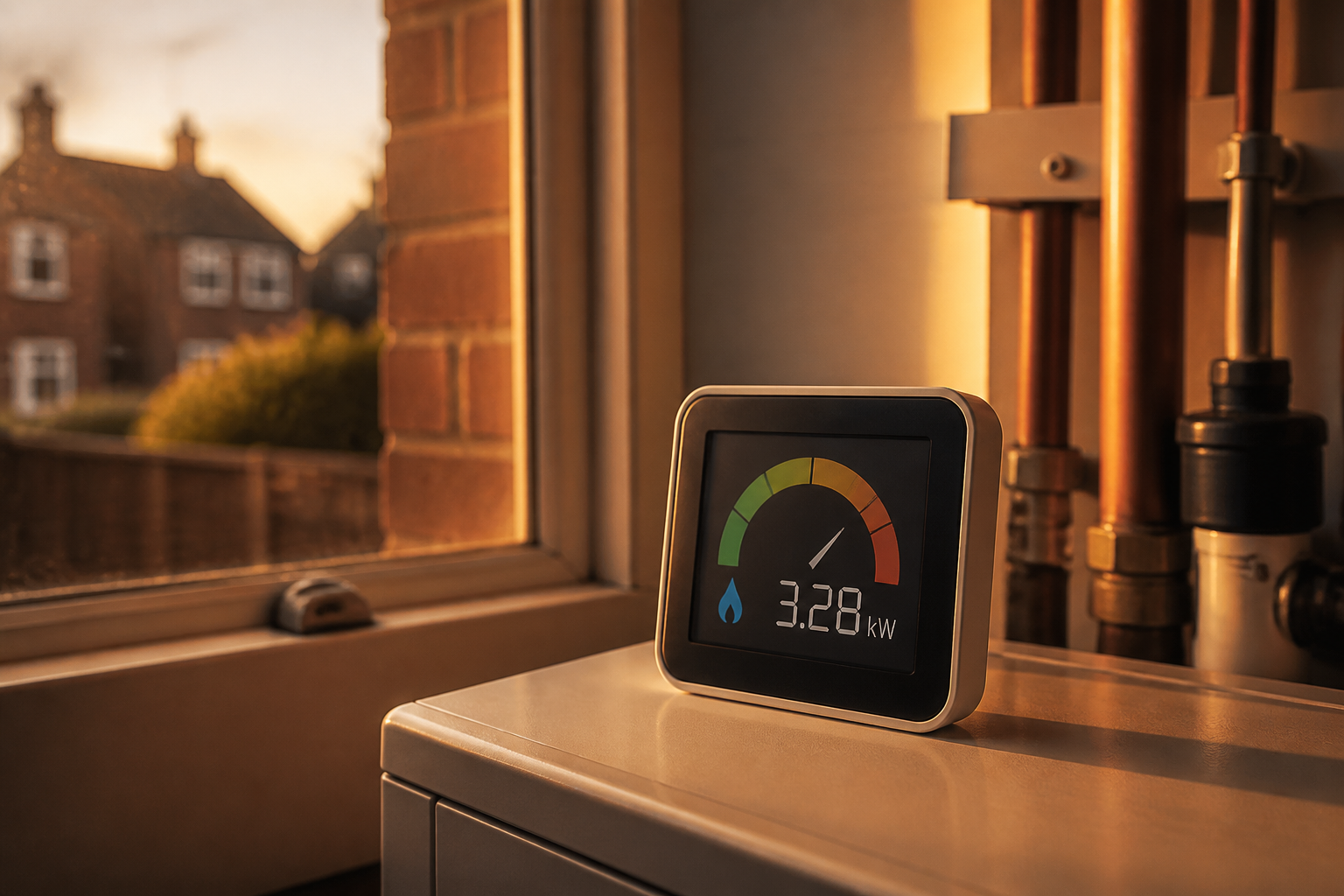
On 1 October 2026, a UK government tax cut on household electricity bills officially came into effect across England, Scotland and Wales, according to an update published by GOV.UK. The tax measure is designed to reduce charges on domestic electricity consumption entering the autumn and winter heating season.
The policy lowers the tax burden directly on residential electricity unit rates, providing immediate assistance on domestic power accounts. However, it does not alter natural gas taxation, standing charges, or underlying wholesale market dynamics. As reported by BBC News on 1 October 2026, average annual household energy bills are simultaneously rising by £60 under Ofgem's revised price cap, meaning the tax reduction offsets a portion of seasonal price increases rather than delivering a net fall in overall household utility expenditure.
What the numbers say
The tax adjustment coincides with broader changes to domestic energy pricing across Great Britain on 1 October 2026. Figures published by official bodies and major news outlets outline the financial baseline facing householders:
- According to GOV.UK on 1 October 2026, the tax reduction applies directly to electricity unit charges for domestic customers starting today.
- BBC News reported on 1 October 2026 that the Ofgem energy price cap rises by £60 per year from today, taking the benchmark annual bill for a typical dual-fuel household paying by direct debit from £1,717 to £1,777.
- Analysis broadcast by BBC News on 1 October 2026 highlights that low-income households and vulnerable pensioners continue to report monthly winter energy commitments approaching £300 despite targeted interventions.
- Reporting by The Guardian on 1 October 2026 demonstrated that households implementing comprehensive retrofits, including solar panels, home battery storage and air source heat pumps, can reduce imported grid energy dependencies to minimal levels.
The breakdown below highlights how individual bill components are affected by current regulations and policy changes taking effect on 1 October 2026.
| Energy Bill Component | Regulatory Status as of 1 October 2026 | Financial Effect on Domestic Bills | Impact on Home Technology Investment |
|---|---|---|---|
| Electricity Unit Rate | Reduced tax rate applied (GOV.UK, 1 Oct 2026) | Lowers per-kWh charge on power consumption | Slightly improves operating economics for heat pumps |
| Natural Gas Unit Rate | Standard tax and cap rules apply | Subject to seasonal wholesale market volatility | Highlights long-term value of displacing fossil heating |
| Daily Standing Charges | Fixed by Ofgem regional price cap rules | Daily fee charged regardless of consumption volume | Best offset by lowering total imported kilowatt-hours |
| Home Clean Energy Hardware | Zero VAT rating maintained on qualified installs | Reduces upfront capital cost for home installations | Supports faster payback on solar PV and battery storage |
How the tax adjustment changes domestic energy costs
The policy change applies specifically to domestic electricity consumption, leaving gas pricing governed by standard wholesale market pass-through rules. In the UK energy market, electricity unit rates remain higher than gas rates per kilowatt-hour, primarily because wholesale electricity costs continue to be set by gas-fired power generation plants during peak demand periods.
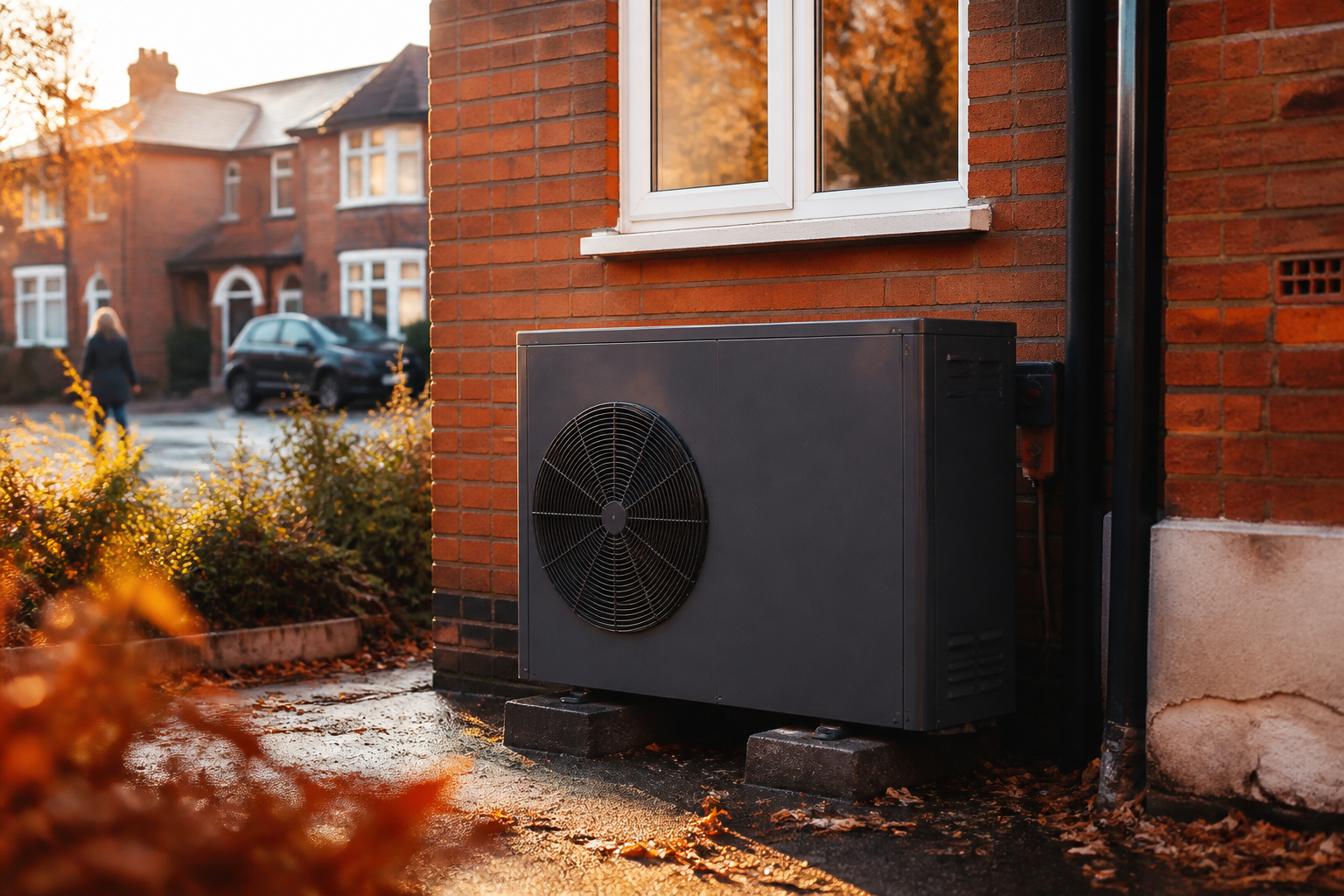
By trimming the tax component on electricity, the price gap between power and gas narrows slightly. This shift marginally improves the running cost comparison for households transitioning from gas boilers to electric heating systems. For instance, an air source heat pump operating at a Seasonal Coefficient of Performance (SCOP) of 3.2 delivers 3.2 kWh of space heating for every 1 kWh of electricity consumed. When electricity unit taxes drop, the effective cost per unit of delivered heat decreases, making clean heating options more competitive against fossil fuel alternatives.
However, industry analysts note that the overall effect on winter household budgets will be mixed. Because daily standing charges remain fixed by Ofgem rules and gas unit rates are unaffected by this measure, households relying heavily on gas central heating will still experience higher total bills this winter due to the cap increase reported by BBC News on 1 October 2026. Unaccounted global market movements or sudden severe cold snaps could also influence energy import costs over the coming months, meaning long-term bill stability remains uncertain.
What this means for your home
If you are evaluating home energy management or considering clean technology upgrades this autumn, the implementation of the electricity tax cut influences several practical decisions:
- Review your billing statements: Energy suppliers are required to apply the updated tax calculation automatically to usage from 1 October 2026 onward. Check your October billing statement or smart meter display to ensure the revised unit rate is reflected correctly on your account.
- Assess heat pump operational costs: The reduced tax burden on electricity improves the financial efficiency of running electric heat pumps. If you are planning a heating replacement, ensure your installer evaluates your home's heat loss using Microgeneration Certification Scheme (MCS) standards to calculate accurate running cost estimates based on current rates.
- Evaluate solar PV and battery integration: While the tax cut lowers grid power rates slightly, generating self-produced power remains a primary route to reducing exposure to fluctuating energy prices. Installing solar panels paired with home battery storage allows you to capture zero-carbon electricity during daylight hours or charge batteries during off-peak night periods.
- Consider plug-in solar options: For households living in rented accommodation or properties where roof-mounted solar is impractical, plug-in balcony solar systems provide a practical method to generate baseline electricity and offset daytime standby power loads.
What this means for employers
Rising household utility costs entering the winter months continue to affect workforce resilience and financial wellbeing, particularly for employees working remotely or hybrid schedules who consume domestic heating and power during office hours.
As energy price cap increases add £60 to average annual bills (BBC News, 1 October 2026), tax cuts offer modest relief, but long-term cost pressure remains a core concern for employees. Reward and benefit leaders are increasingly looking beyond temporary financial support toward measures that help staff permanently lower their household overheads.
Employers can support their staff through the Net Zero Home Scheme, which gives employees member pricing on solar, heat pumps, battery storage and plug-in solar installed by accredited installers across England, Scotland and Wales, with zero cost to the employer, no salary sacrifice and no payroll deduction.
Frequently asked questions
Do I need to apply to receive the electricity tax cut?
No application is required. According to GOV.UK guidance published on 1 October 2026, energy suppliers must automatically apply the tax reduction to domestic electricity tariffs starting from 1 October 2026. This applies across direct debit, standard credit, and smart or traditional prepayment accounts.
Does the tax reduction apply to domestic gas charges?
No. The tax adjustment taking effect on 1 October 2026 is confined strictly to residential electricity supplies. Natural gas consumption charges remain governed by standard tariff terms and Ofgem's quarterly energy price cap decisions.
How does this policy affect the payback period for solar panels?
While lower grid electricity taxes slightly reduce the monetary value of each self-consumed kilowatt-hour, solar PV combined with battery storage remains highly efficient at reducing overall energy expenditure. Solar systems eliminate imported grid electricity costs entirely during generation periods and shield households from future price cap fluctuations.