UK Diesel Crosses £2 Mark as Average Hits 200.01p a Litre
UK diesel pump prices have crossed £2 per litre for the first time, reaching an average of 200.01p according to RAC data released on 2 October 2026.
- Written by
- Net Zero Home Scheme editorial team
- Last updated
- Topic
- ev charging, energy bills

Average UK diesel pump prices breached the £2 per litre mark for the first time in history on 2 October 2026, reaching 200.01p per litre according to figures published by the RAC motoring body and reported by BBC News. The milestone follows weeks of sustained upward momentum in wholesale oil markets, pushing vehicle running costs to record highs across England, Scotland and Wales.
The breach of the £2 threshold represents a significant increase in commuting and operational transport costs for UK households. While crude oil volatility remains the primary driver behind pump price increases, the wider financial impact extends beyond forecourts, influencing domestic energy decisions, heating oil costs for off-grid homes, and the economic balance between fossil fuel vehicles and home electrified transport.
What the numbers say
Data released by motoring organisations and energy market analysts highlights the scale of recent price movements across the UK retail fuel market:
- 200.01p per litre: The average price of diesel at UK forecourts reported by the RAC on 2 October 2026, marking an all-time peak for retail diesel.
- £110.01: The total cost to fill a standard 55-litre tank in a family diesel car at the new average price, up significantly from earlier in the year.
- 163.00p per litre: The average retail price of unleaded petrol reported by the RAC on 2 October 2026, leaving a widening gap of over 37p per litre between petrol and diesel.
- £190 million: The estimated additional weekly cost imposed on UK domestic energy consumers during wholesale oil and gas spikes, according to analysis published by the Energy and Climate Intelligence Unit (ECIU) earlier in 2026.
| Transport & Fuel Option | Average Price / Unit | Estimated Cost per 100 Miles | Primary Source & Date |
|---|---|---|---|
| Diesel Passenger Car | 200.01p per litre | £18.18 (at 50 mpg) | RAC via BBC News (2 Oct 2026) |
| Petrol Passenger Car | 163.00p per litre | £14.81 (at 45 mpg) | RAC via BBC News (2 Oct 2026) |
| Home EV (Off-Peak Rate) | 7.00p per kWh | £2.12 (at 3.3 miles/kWh) | Standard UK EV Tariff (Oct 2026) |
| Home EV (Standard Cap Rate) | 24.50p per kWh | £7.42 (at 3.3 miles/kWh) | Ofgem Energy Price Cap (Oct 2026) |
Forecasters note that retail fuel prices depend heavily on global crude oil benchmarks, refining margins, and currency exchange rates. As a result, whether pump prices stabilise or increase further over the coming winter months remains uncertain.
Household transport and energy trade-offs
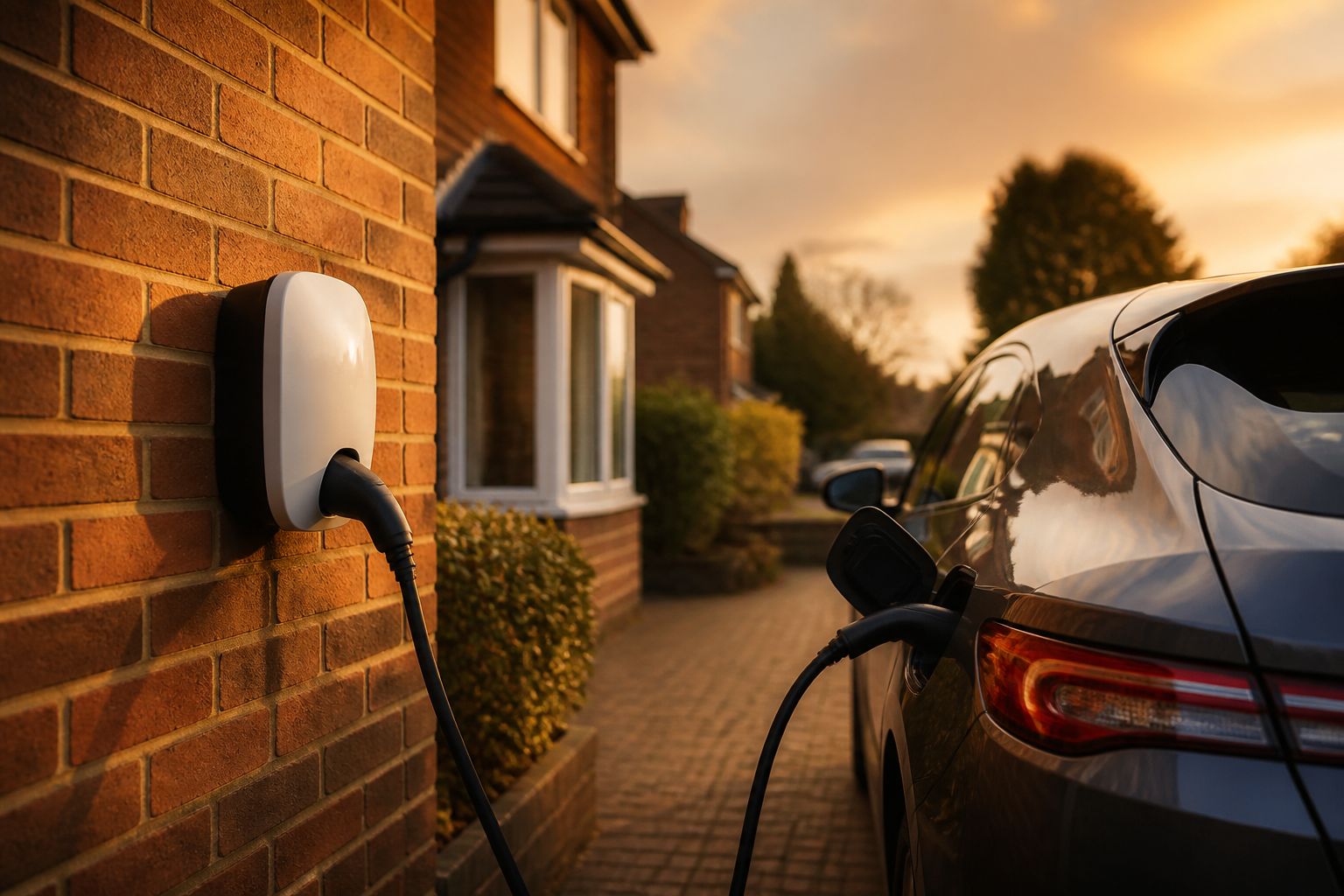
Sustained fuel price increases force households to re-examine how transport costs interact with domestic power consumption. For commuters driving typical distances of 8,000 to 10,000 miles per year, diesel at 200.01p per litre adds hundreds of pounds to annual household outgoings.
This shift alters the financial calculation for home energy upgrades. Charging an electric vehicle at home using standard off-peak electricity tariffs costs roughly a fraction of equivalent diesel miles. However, capturing those savings depends on having off-street parking, a dedicated home EV charger, and access to time-of-use tariffs.
For rural households reliant on domestic heating oil (kerosene), retail fuel trends carry a secondary risk. Heating oil prices closely track global distillate refined products alongside diesel. Off-grid homes facing higher tank refill quotes often compare those costs against heat pump retrofits supported by the government's £7,500 Boiler Upgrade Scheme grant.
What this means for your home
If high fuel costs are stretching your household budget, several practical steps can help you evaluate your energy and transport choices:
- Review your vehicle running costs: Calculate your monthly mileage expenses at 200.01p per litre and compare them against home-charged electric vehicles. If you have driveway parking, installing a standard 7 kW home wallbox charger allows you to take advantage of overnight off-peak tariffs.
- Assess rooftop solar PV: Generating your own electricity with a 3 kWp to 5 kWp solar array reduces the net cost of home power and vehicle charging. Pair solar generation with home battery storage (typically 5 kWh to 10 kWh capacity) to store daytime generation for evening EV charging or domestic use.
- Evaluate heating oil alternatives: If your home relies on oil heating, benchmark upcoming bulk fuel delivery quotes against a heat pump installation. Grants of £7,500 under the Boiler Upgrade Scheme in England and Wales can offset initial installation costs for accredited MCS installations.
- Consider plug-in solar options: For homes where full rooftop installation is unfeasible, compact plug-in solar systems provide an entry-level way to offset base electrical loads without extensive wiring alterations.
What this means for employers
Rising pump prices directly affect employee disposable income, particularly for staff who commute by car or rely on personal vehicles for work travel. As household budgets face pressure from forecourt prices and winter energy tariffs, demand for workplace financial wellbeing support continues to grow.
Forward-thinking reward and HR leaders are increasingly addressing transport and energy costs together rather than in isolation. Providing practical mechanisms for staff to adopt home clean energy technologies helps reduce household overheads without requiring direct salary uplifts.
Employers looking to support staff with rising domestic and travel expenses can offer access to the Net Zero Home Scheme, which gives employees member pricing on solar PV, heat pumps, battery storage and plug-in solar installed by accredited installers across England, Scotland and Wales, at zero cost to the employer and without salary sacrifice.
Frequently asked questions
Why did UK diesel prices reach £2 per litre in October 2026?
Retail diesel prices breached 200.01p per litre due to sustained increases in global crude oil prices, tighter European refining capacity for middle distillates, and shifts in international trade flows reported by the RAC on 2 October 2026.
How does high diesel pricing affect heating oil costs?
Heating oil (kerosene) is refined from the same crude oil fraction as diesel. When global distillate markets tighten, heating oil prices typically rise alongside forecourt diesel, increasing winter heating costs for off-grid properties.
Is home EV charging cheaper than driving a diesel car at current prices?
Yes. At 200.01p per litre, driving 100 miles in a diesel car costs approximately £18.18. Charging an electric vehicle at home on a standard off-peak rate of 7p per kWh costs around £2.12 for the same distance, subject to vehicle efficiency and tariff terms.