IMF Warns Energy Costs Will Strain UK Budgets Into 2027
The IMF upgrades UK growth for 2026 but warns persistent energy prices and high borrowing costs will squeeze household finances and employers into 2027.
- Written by
- Net Zero Home Scheme editorial team
- Last updated
- Topic
- energy bills, home energy, employee benefits
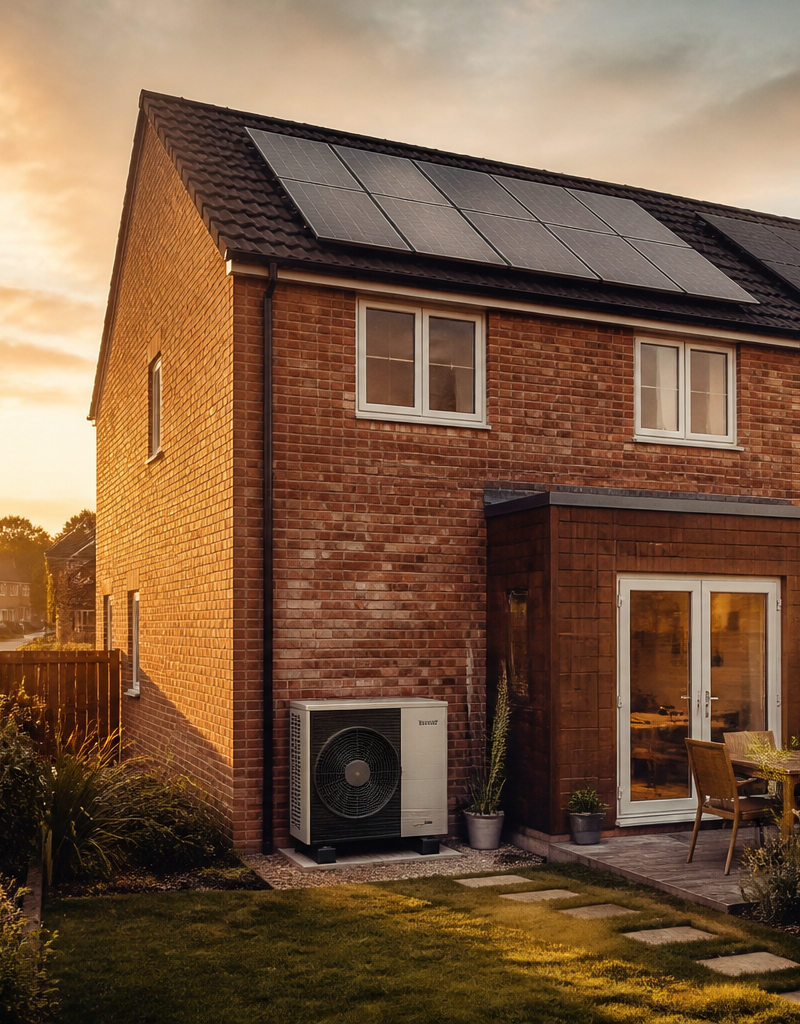
The International Monetary Fund upgraded its 2026 UK economic growth forecast on 13 October 2026, while issuing a stark warning that high energy prices and sustained interest rates will continue to strain household finances into 2027. Reporting published by BBC News and The Guardian on 13 October 2026 details how the IMF's latest World Economic Outlook highlights persistent macroeconomic risks to domestic household resilience.
Although near-term gross domestic product performance has improved slightly, the Washington-based lender noted that emergency energy reserves remain tight and government budgets across major economies are overstretched. For UK households, this means energy costs are set to remain elevated compared to pre-2022 levels, creating prolonged pressure on real disposable incomes, domestic savings, and workplace financial wellbeing.
What the numbers say
BBC News reported on 13 October 2026 that while the IMF raised its 2026 UK growth projection, it expects energy prices and borrowing costs to remain a primary drag on household budgets through 2027. The Guardian noted on the same day that global economic resilience is testing its limits, with volatile fossil fuel markets feeding directly into domestic energy tariffs and prolonged monetary tightening.
According to figures highlighted in the reporting, household utility bills remain significantly higher than historical averages, with seasonal price cap movements continuing to absorb a large share of average household earnings. The combined pressure of high mortgage rates and persistent fuel costs leaves little room for families to rebuild cash buffers.
| Economic Indicator | Reported Trend or Outlook | Source and Publication Date | Direct Impact on UK Households |
|---|---|---|---|
| UK GDP Growth Forecast (2026) | Upgraded upward in short term | IMF / BBC News, 13 Oct 2026 | Slight macroeconomic recovery, but gains offset by high fixed living costs. |
| Global Energy Price Outlook | Volatile with persistent upward pressure to 2027 | IMF / The Guardian, 13 Oct 2026 | Sustained high retail electricity and gas tariffs for domestic consumers. |
| Government Fiscal Resilience | Overstretched budgets limit subsidy scope | IMF / BBC News, 13 Oct 2026 | Reduced likelihood of broad, direct state intervention in household energy bills. |
| Household Borrowing Costs | Sustained higher interest rates | IMF / The Guardian, 13 Oct 2026 | Increased mortgage and loan repayments alongside elevated monthly utility expenses. |
Where published estimates differ on exact tariff trajectories, analysts agree that wholesale energy market volatility will translate directly into fluctuating consumer bills rather than a return to low baseline rates.
What this means for your home
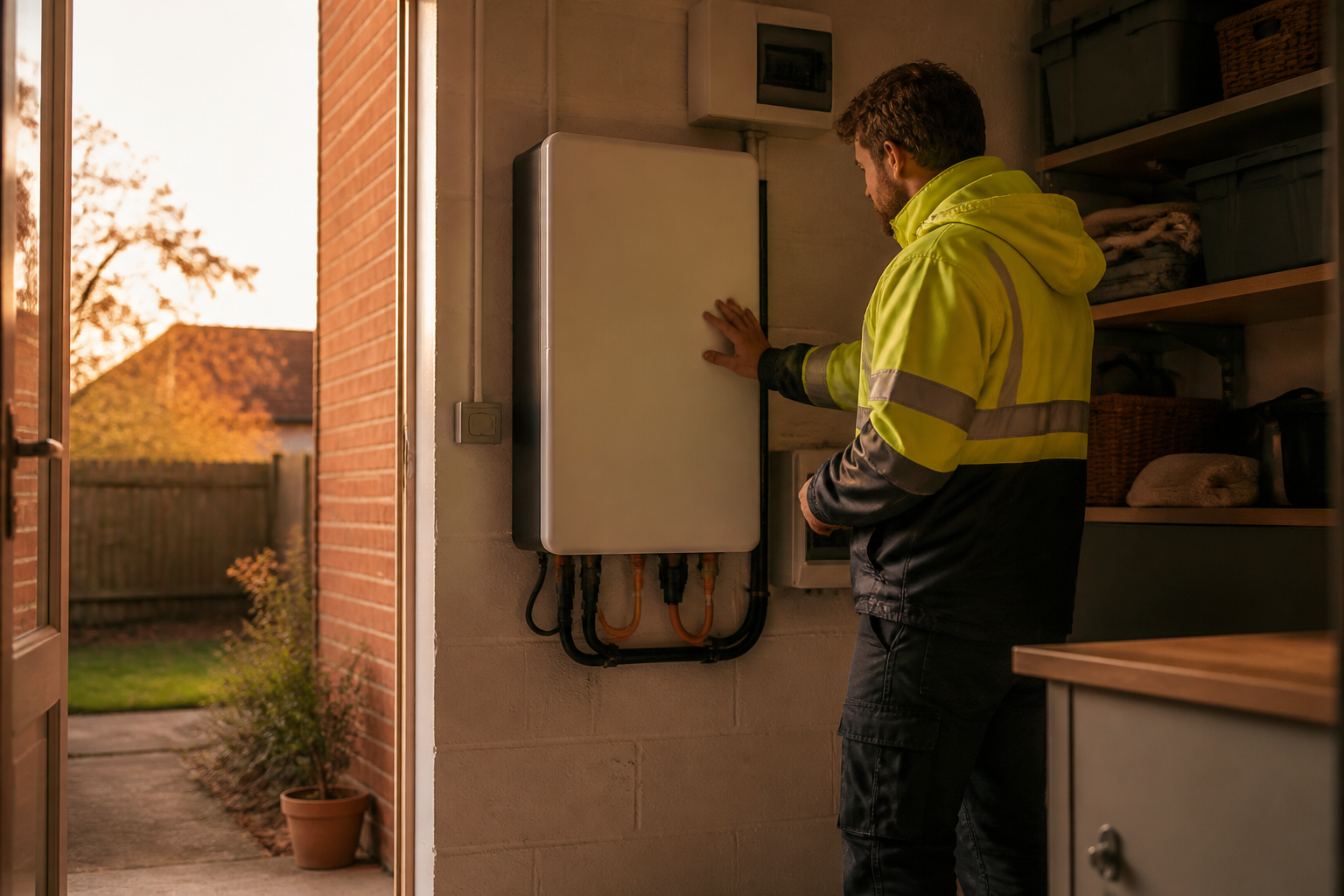
For householders, the IMF warning reported by BBC News on 13 October 2026 confirms that relying on energy prices to drop back to historic norms is not a viable financial strategy. Protecting your household budget against energy cost shocks into 2027 requires taking direct action on home energy generation, electrical storage, and thermal efficiency.
Practical steps for UK householders include:
- Improving thermal insulation: Sealing draughts, upgrading loft insulation to 270 mm mineral wool, and installing cavity or solid wall insulation lower space heating demand.
- Installing roof-mounted solar PV: Generating electricity onsite reduces reliance on grid imports. A typical 4 kWp solar array in central England yields approximately 3,400 kWh to 3,800 kWh annually, offsetting daytime appliance consumption.
- Adding home battery storage: Pairing a 5 kWh to 10 kWh battery system with solar panels allows households to store cheap off-peak grid electricity or excess daytime generation for peak evening use.
- Transitioning to clean heat: Replacing an aging gas boiler with an air source heat pump operating at a seasonal coefficient of performance (SCOP) of 3.2 to 3.8 delivers three to nearly four units of heat per unit of electricity consumed.
While upfront capital expenditure has traditionally posed a barrier, householders can access government support such as the Boiler Upgrade Scheme in England and Wales, which provides a £7,500 grant for heat pump installations completed by MCS-certified contractors.
What this means for employers
For HR directors, reward managers, and employee benefits leaders, the IMF findings published by BBC News on 13 October 2026 highlight a growing challenge for workplace financial health. As mortgage costs and household utility bills remain elevated into 2027, financial stress directly impacts employee focus, attendance, and overall engagement.
Traditional financial wellbeing initiatives, such as budgeting webinars or modest pay reviews, often fail to offset structural increases in fixed monthly domestic expenses. Consequently, forward-thinking employers are evaluating benefit options that deliver direct, long-term reductions in household baseline costs.
While green employee benefits like salary sacrifice electric vehicles delivered through providers such as The Electric Car Scheme have become established market offerings, organisations are now extending support directly to home energy infrastructure.
Employers can deploy the Net Zero Home Scheme to give employees access to member pricing on solar panels, heat pumps, battery storage, and plug-in solar systems installed by accredited professionals adhering to MCS, TrustMark, RECC, and HIES standards. The scheme is free for employers to offer, involves no salary sacrifice, and requires no complex payroll deductions. By enabling staff to generate clean power and lower their heating bills, employers can provide practical financial relief while demonstrating genuine progress on workplace sustainability goals.
Frequently asked questions
How do higher energy prices impact UK household budgets into 2027?
According to the IMF World Economic Outlook reported by BBC News on 13 October 2026, energy market volatility and elevated wholesale costs will keep home utility bills higher than pre-2022 levels, squeezing real disposable incomes alongside persistent interest rates.
What home energy technologies offer the best protection against energy price shocks?
Solar PV panels, home battery storage, and air source heat pumps offer strong long-term defense. Solar PV directly offsets grid electricity usage, batteries allow households to store lower-cost energy, and heat pumps deliver high seasonal efficiency compared to traditional fossil fuel boilers.
How can employers provide home energy support without added administrative costs?
Employers can introduce commercial employee benefit schemes that provide member pricing on home energy installations. These schemes operate without payroll deductions or salary sacrifice setup fees, making them straightforward for HR teams to deploy while delivering real savings to staff.