Government Sets Out Local Energy and Heat Network Plans
On 23 October 2026, the government outlined plans for local energy and heat network expansion. Here is what it means for household technology payback and HR benefit strategy.
- Written by
- Net Zero Home Scheme editorial team
- Last updated
- Topic
- policy, heat pumps, energy bills
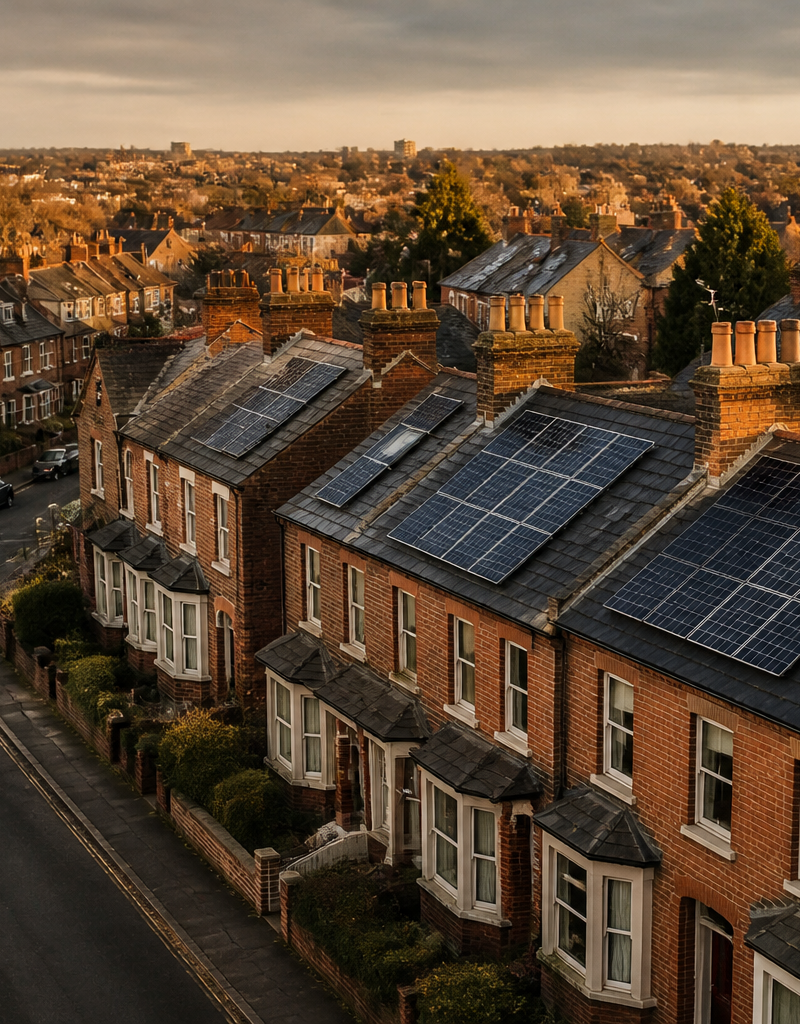
On 23 October 2026, the Minister for Local Energy and Jobs, Martin McCluskey, delivered a speech setting out the government's strategy for expanding heat networks and local clean energy infrastructure across the UK, as published by GOV.UK. The address emphasized the role of municipal heating infrastructure alongside domestic home energy upgrades in lowering carbon emissions and stabilizing household utility expenses.
This policy focus comes as employers across England, Scotland, and Wales increasingly evaluate domestic energy support within their employee benefit frameworks. With household energy bills remaining a major component of living costs, understanding how national energy infrastructure aligns with individual home upgrades helps both households and workplace reward teams make informed decisions.
Government Sets Out Local Energy Policy at ADE Conference
Speaking at the Association for Decentralised Energy (ADE) Heat Network Conference on 23 October 2026, the minister highlighted heat networks as a vital mechanism for decarbonizing dense urban areas. Heat networks, which pump hot water from central low-carbon sources directly into homes and commercial properties, reduce the need for individual gas boilers in targeted zones.
However, for millions of homes outside designated heat network zones, domestic decarbonization relies directly on individual property retrofits. Technologies such as air source heat pumps, rooftop solar photovoltaics (PV), battery storage, and plug-in solar arrays represent the primary routes for households seeking to reduce their reliance on grid gas and peak-rate electricity. For HR and benefits managers, evaluating how these technologies perform helps in designing financial wellbeing programs that deliver measurable bill relief.
Comparing Domestic Low-Carbon Heating and Generation Options

Households and employers evaluating clean energy technology must balance upfront capital expenditure, property suitability, operational efficiency, and expected energy bill reductions. The table below outlines the core technical and economic characteristics of the primary domestic low-carbon options available in the UK.
| Option | Typical Upfront Cost | Primary Technical Standard | Expected Bill Impact | Property Suitability |
|---|---|---|---|---|
| Air Source Heat Pump | £3,000, £7,000 (after £7,500 BUS grant) | MCS / Building Regulations Part L | Reduces heating energy use by 60%, 70% via SCOP 3.0, 3.8 | Houses with outdoor unit space and unvented cylinder capacity |
| Solar PV & Battery Storage | £6,000, £11,000 (4kWp PV + 5kWh battery) | MCS / G99 Grid Connection | Offsets 50%, 70% of annual electricity consumption | Unshaded roofs facing South, East, or West |
| Plug-In Solar Kit | £400, £800 (800W array) | G98 Micro-generation standard | Offsets 10%, 15% of baseline daytime electricity | Apartments or homes with balcony or patio access |
| District Heat Network | £0, £1,500 connection cost | Heat Network Technical Standard | Replaces gas heating costs with regulated network tariff | Properties located within designated heat network zones |
Each option serves distinct housing types and financial requirements. Heat pumps provide a direct replacement for fossil fuel space heating, while solar PV and battery storage systems focus on mitigating electricity price exposure.
Which Low-Carbon Home Technology Fits Your Household Best?
Selecting the right home energy system depends on property characteristics, tenure, and capital budget:
- Air Source Heat Pumps: Ideal for owner-occupied freehold properties currently using gas, oil, or direct electric heating. Systems operating at a Seasonal Coefficient of Performance (SCOP) between 3.0 and 3.8 deliver three to nearly four units of heat for every unit of electricity consumed. Properties must have space for an external compressor unit and an internal hot water cylinder built to Building Regulations Part L standards.
- Solar PV with Home Battery Storage: Best suited for households with unshaded roof space and high daytime or evening electricity usage. A standard 4 kWp array generates approximately 3,400 to 4,000 kWh per year in the UK. Paired with a 5 kWh to 10 kWh lithium-iron-phosphate (LFP) battery, households can store daytime solar generation to cover evening peak demand between 17:00 and 21:00.
- Plug-In Solar Kits: A practical solution for renters or flat owners with limited roof control. Consisting of one or two panels connected to a micro-inverter plugged into a standard domestic socket, an 800W kit generates between 600 kWh and 750 kWh annually, reducing baseline daytime electric loads.
- District Heat Networks: Suitable for urban flats and high-density housing where individual heat pump installation is constrained by outdoor space or building structure.
Household Upgrades and Financial Payback Times To Watch
For UK householders, calculating payback periods requires assessing capital outlay against projected grid energy savings. The financial return on low-carbon technology depends heavily on installation quality, unit efficiency, and current fuel prices.
Under current scheme rules in England and Wales, the Boiler Upgrade Scheme (BUS) provides a £7,500 upfront grant for air source heat pumps. When replacing an inefficient oil boiler or direct electric system, an air source heat pump operating at an SCOP of 3.5 can generate annual bill savings that achieve financial payback within 7 to 10 years. For gas-heated properties, payback periods range from 9 to 12 years, depending on relative gas and electricity unit rates.
For solar PV combined with battery storage, financial returns are driven by self-consumption rates and export tariffs. A 4 kWp PV system paired with a 5 kWh battery costs between £7,000 and £9,500 when fitted by an MCS-accredited installer. By storing excess generation rather than exporting it to the grid at lower rates, households can achieve payback in 7 to 9 years. Plug-in solar kits, requiring lower initial outlays of £400 to £800, often achieve simple payback within 3 to 5 years based on direct self-consumption of baseline household electricity.
Strategic Takeaways for HR and Reward Leaders
As public policy shifts toward local energy efficiency and home decarbonization, financial wellbeing programs are expanding beyond traditional workplace savings to address core household overheads. Energy costs remain one of the largest non-discretionary expenses for employees, directly affecting disposable income and workplace stress.
Providing support for domestic energy retrofits allows reward leaders to address employee wellbeing while contributing to broader ESG objectives. Remote and hybrid work arrangements mean that employee home energy consumption forms part of corporate Scope 3 greenhouse gas reporting frameworks under ISO 14064 standards. Supporting home energy efficiency directly mitigates these indirect emissions.
To address growing employee demand for practical help with domestic energy bills, employers can introduce simple workplace benefits that connect staff with vetted clean technology providers. The Net Zero Home Scheme enables organizations to offer member-discounted access to accredited heat pump, solar PV, and battery storage installers across England, Scotland, and Wales without any cost to the employer or changes to payroll. This gives staff a trusted pathway to lower their household running costs while supporting employer sustainability targets.
Common Questions on Household Energy Policy and Workplace Support
How do heat networks differ from individual home heat pumps?
District heat networks generate heat at a central facility and distribute hot water through insulated underground pipes to multiple buildings. An individual heat pump is a self-contained system installed at a single property that extracts heat from outside air or ground to provide space heating and hot water independently.
How does home energy technology support employer ESG reporting?
Under standard carbon accounting standards, emissions from employees working from home fall under Scope 3 indirect emissions. By enabling staff to install solar PV, battery storage, or heat pumps, employers help lower household carbon intensity, which can be reflected in annual sustainability disclosures.
Are plug-in solar kits legal to install in the UK?
Yes, plug-in solar kits up to 800W operating through micro-inverters are permitted in the UK, provided they meet grid connection standard G98 and are registered with the local Distribution Network Operator (DNO). Installers and households must ensure equipment complies with relevant electrical safety standards.