Ministers Consider Cuts to UK Heat Pump Grant Scheme
Treasury plans to find £2bn in energy budget savings could lead to reductions in Boiler Upgrade Scheme funding for UK householders.
- Written by
- Net Zero Home Scheme editorial team
- Last updated
- Topic
- heat pumps, policy, home energy
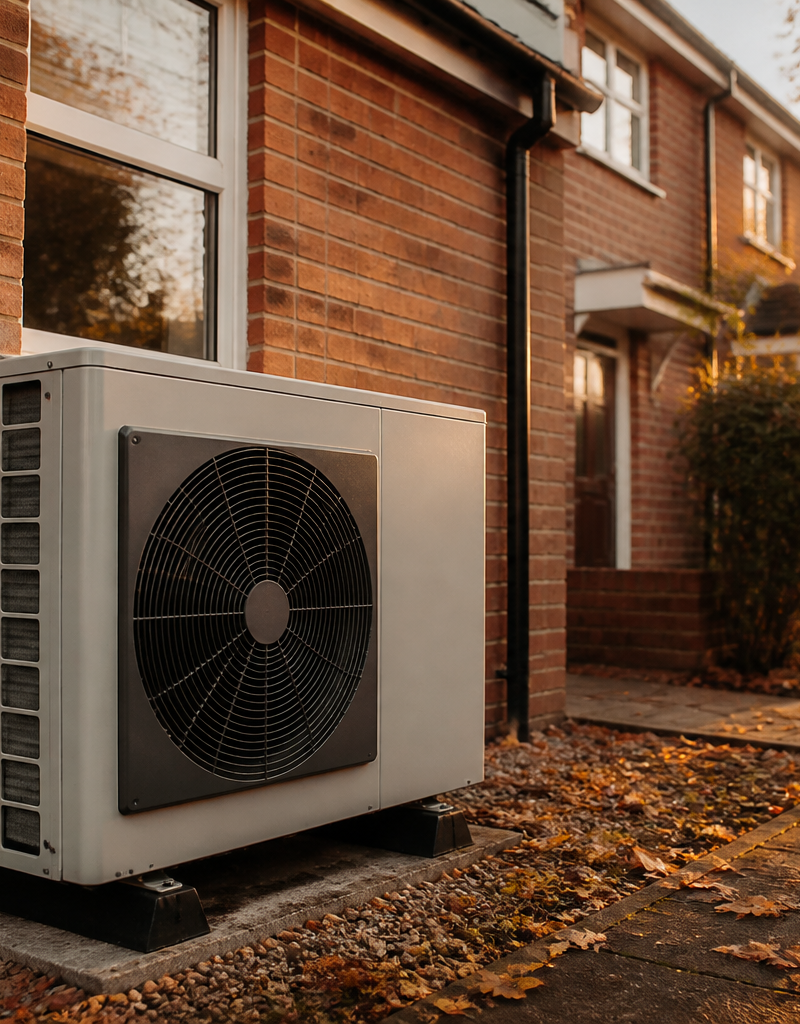
Ministers are preparing to reduce government subsidies for home heat pumps as part of a £2bn budget reduction from the Department for Energy Security and Net Zero, according to reporting by The Guardian on 12 October 2026. The proposed cuts are expected to target funding for the Boiler Upgrade Scheme, which currently provides capital grants to help householders replace fossil-fuel heating systems with low-carbon alternatives.
According to sources cited by The Guardian on 12 October 2026, Energy Secretary Miatta Fahnbulleh has been tasked with identifying over £2bn in savings from the energy budget to help fund increased national defence spending. While no formal reduction to individual grant vouchers has been officially confirmed by ministers, energy policy analysts note that tightening scheme eligibility, reducing voucher values, or placing overall caps on annual scheme budgets would directly increase out-of-pocket costs for homeowners planning retrofits over the coming years.
What the numbers say
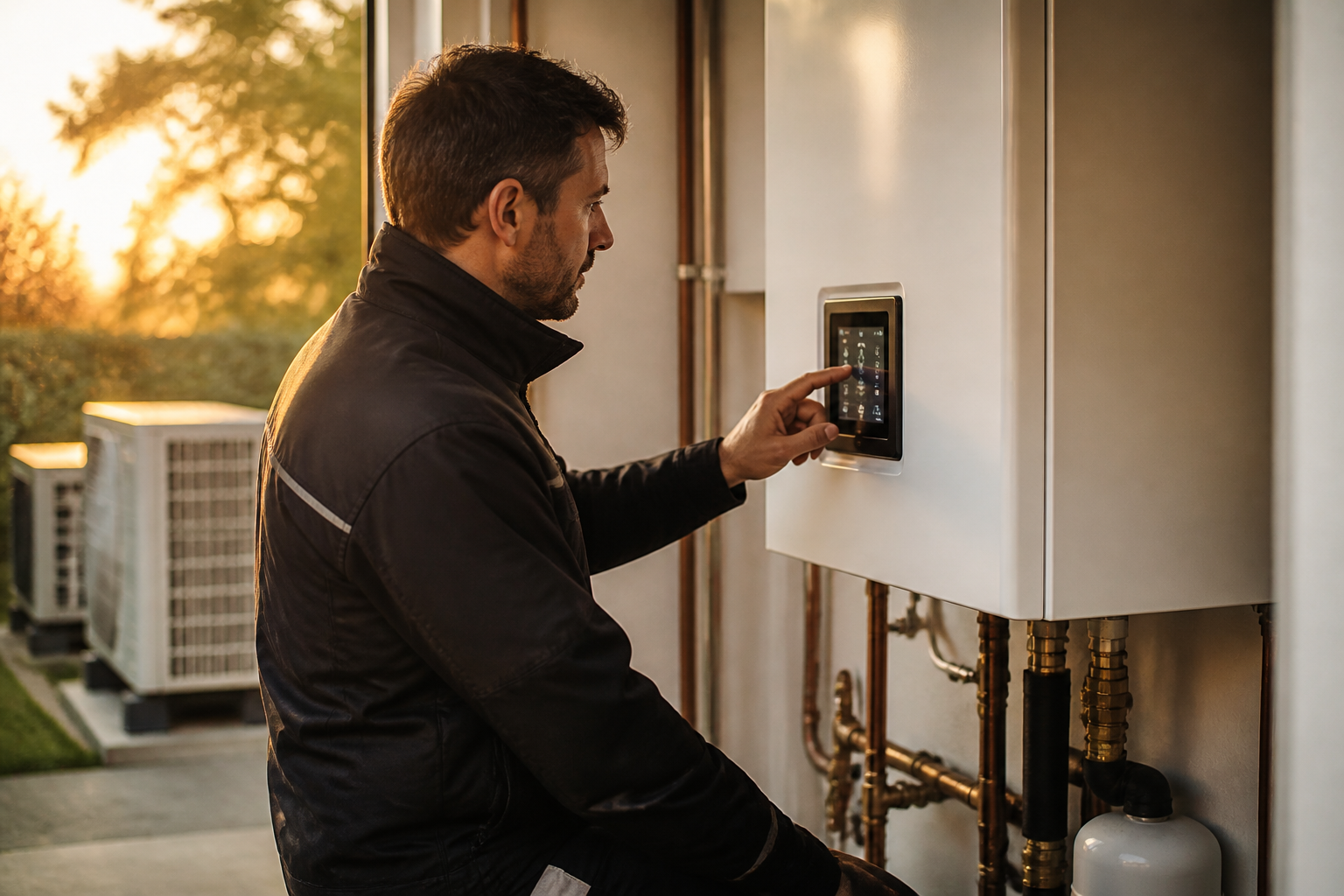
The proposed savings involve substantial financial adjustments across the UK clean energy budget. Figures reported in recent policy disclosures and media coverage outline the following baseline metrics:
- £2bn+: Total spending reduction requested from the Department for Energy Security and Net Zero budget, according to reporting by The Guardian on 12 October 2026.
- £7,500: The current grant voucher available per household for air source and ground source heat pump installations in England and Wales under the Boiler Upgrade Scheme.
- £450m: The annual budget previously allocated to the Boiler Upgrade Scheme across England and Wales prior to recent departmental review discussions.
- 3.0 to 4.0 SCOP: The typical Seasonal Coefficient of Performance delivered by modern air source heat pumps in UK domestic retrofits, providing 300% to 400% efficiency relative to standard fossil-fuel heating.
| Metric or Parameter | Current Baseline | Proposed or Potential Change | Operational Impact |
|---|---|---|---|
| DESNZ Energy Budget Savings | Fully allocated baseline | Over £2bn in overall savings required | Potential reduction across capital support schemes |
| Boiler Upgrade Scheme Grant | £7,500 per installation | Voucher cap or total scheme budget under review | Higher net capital expenditure for homeowners |
| Targeted Fuel Replacement | Gas, oil, and LPG heating | Transition focus remains on fossil fuel replacement | Off-grid heating oil users face high bill exposure |
| Typical System SCOP | 3.2 to 3.8 average | Unaffected by subsidy mechanics | Seasonal performance depends on system design |
Heat pump economics and capital support mechanics
The Boiler Upgrade Scheme was designed to reduce the capital cost gap between standard gas or oil boilers and heat pump systems. A typical air source heat pump installation in a three-bedroom UK semi-detached home generally ranges from £10,000 to £14,000 before grants, depending on radiator upgrades, pipework modifications, and hot water cylinder replacement. With the current £7,500 grant applied, the net cost to the householder drops to between £2,500 and £6,500, placing the upfront outlay close to that of a premium gas boiler replacement.
If grant values are lowered or overall funding caps are reached before demand is met, the upfront cost barrier to adoption will rise. Modern heat pump installations depend on detailed engineering to deliver optimal seasonal efficiency. Qualified installers working to Microgeneration Certification Scheme (MCS) standards complete room-by-room heat loss calculations to set flow temperatures correctly. Design flow temperatures of 45°C or lower allow systems to achieve seasonal coefficients of performance (SCOP) above 3.5. If reduced grant support prompts householders to limit installation scope, essential upgrades such as larger double-panel radiators might be omitted, resulting in higher flow temperatures and lower operational efficiency.
Alongside MCS standards, installers must follow consumer protection standards governed by bodies like the Renewable Energy Consumer Code (RECC) or the Home Insulation and Energy Systems Contractors Scheme (HIES), alongside electrical standards verified by NICEIC or NAPIT. Any reduction in grant funding places greater emphasis on ensuring that hardware specifications and installation quality remain uncompromised.
Where the policy reporting remains uncertain
The report published by The Guardian on 12 October 2026 emphasizes that budget negotiations between the Treasury and the Department for Energy Security and Net Zero are ongoing. It remains unconfirmed whether ministers will implement savings by:
- Reducing the headline grant figure below the current £7,500 voucher amount.
- Restricting the total number of vouchers issued each month or year.
- Altering eligibility criteria, such as limiting grants to off-gas grid properties or specific EPC ratings.
- Phasing down support over a longer multi-year schedule.
Because no statutory instrument or formal DESNZ policy amendment has been published, existing scheme mechanics remain active. However, industry trade bodies highlight that policy uncertainty itself can cause householders to delay installation decisions while waiting for regulatory clarity.
What this means for your home
If you are evaluating an air source or ground source heat pump for your home, potential policy changes affect your installation timing and budgeting:
- Access current grant levels early: Householders planning a low-carbon heating retrofit should work with MCS-certified installers to register Boiler Upgrade Scheme applications while the £7,500 grant rate remains active and fully funded.
- Assess complete system scope: Capital grants apply to the heat pump hardware and core installation. Ensure system proposals include required radiator upgrades, cylinder replacements, and electrical consumer unit adjustments carried out to NICEIC standards.
- Evaluate running costs alongside smart tariffs: System payback depends on your electricity unit rate relative to gas or heating oil. Pairing a heat pump with time-of-use tariffs, solar PV, or battery storage helps manage running costs regardless of future subsidy shifts.
- Consider phased efficiency upgrades: If reduced capital grants delay a full heat pump installation, completing preliminary steps like loft insulation, cavity wall insulation, or draught proofing helps lower heat loss in preparation for future equipment upgrades.
What this means for employers
Fluctuating energy policy and high domestic heating costs directly affect workforce financial wellbeing. As public grant structures face potential tightening, employees increasingly look to employer-backed benefits to make home energy upgrades manageable and cost-effective.
Offering structured home energy solutions helps staff lower monthly utility bills without placing financial or administrative burdens on the organization. Through the Net Zero Home Scheme, employers can give staff access to member pricing on accredited solar panels, heat pumps, battery storage, and plug-in solar installations delivered across England, Scotland, and Wales at no cost to the employer and with no payroll deductions. For organizations evaluating broader sustainability and transit benefits, programs such as The Electric Car Scheme and dedicated home charging support via The Charge Scheme provide complementary ways to help employees transition to low-carbon technology.
Frequently asked questions
Will the Boiler Upgrade Scheme grant definitely be reduced in 2026?
While reporting by The Guardian on 12 October 2026 indicates that ministers are identifying £2bn in energy budget savings, no official policy change to reduce the £7,500 grant has been formally enacted. Current scheme rules remain active until DESNZ publishes official revisions.
How does a grant reduction alter heat pump payback times?
Any reduction in grant value increases the net capital outlay paid by the homeowner. A grant decrease would lengthen the payback period against a standard fossil-fuel boiler, with exact timing dependent on relative gas, oil, and electricity tariffs and the installation's seasonal efficiency.
Can heat pumps be combined with home solar and battery storage?
Yes. Heat pumps run on electricity to provide space heating and hot water. Combining a heat pump with rooftop solar panels and battery storage allows householders to generate and store low-cost electricity, reducing grid dependency during morning and evening heating cycles.