Government Confirms Your First Home Scheme Ahead of Budget
The UK government announced the Your First Home scheme on 26 September 2026, offering new support for buyers facing high property prices and home running costs.
- Written by
- Net Zero Home Scheme editorial team
- Last updated
- Topic
- energy bills, policy, home energy
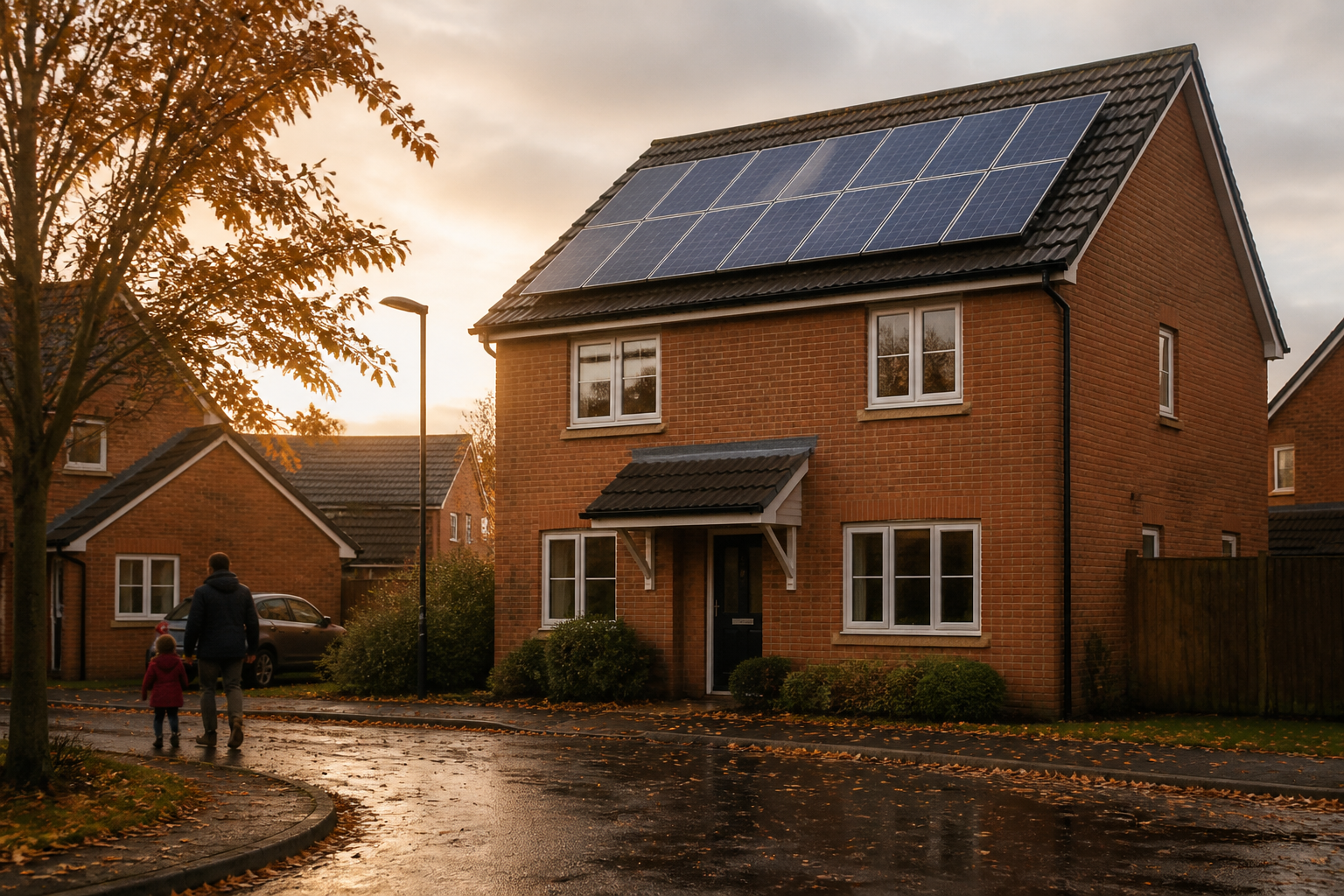
On 26 September 2026, GOV.UK announced that the UK government will confirm a new homeownership initiative named Your First Home at the upcoming Budget. The policy aims to support first-time buyers entering the housing market, where elevated mortgage rates and high domestic energy bills present twin barriers to household financial security.
The announcement highlights a growing policy focus on initial home ownership and the ongoing cost of running a property. For prospective buyers, securing a mortgage is only the first step. Operating costs, driven primarily by space heating and electricity usage, dictate whether a household can comfortably maintain its mortgage payments and build long-term financial resilience.
How housing affordability links to domestic energy performance
First-time buyers frequently purchase older housing stock or starter properties that require thermal improvements. In England and Wales, properties with lower Energy Performance Certificate (EPC) ratings incur significantly higher annual heating costs, placing an immediate financial burden on new homeowners who may have exhausted their savings on deposit payments.
While the full technical criteria of the Your First Home initiative will be detailed in the formal Budget speech, housing market analysts note that energy efficiency must form a core component of sustainable home ownership. A home that is affordable to purchase but expensive to heat creates long-term default risks and severe cash flow pressures for householders.
What the numbers say
Official data released by GOV.UK on 26 September 2026 confirms that the Your First Home scheme will be formally introduced during the Budget to assist buyers struggling with entry-level property costs. However, government communications have not yet published the exact financial thresholds, income caps, or equity loan terms associated with the policy, leaving key operational details unconfirmed until the Chancellor speaks.
Domestic energy expenditure data provides crucial context for household budgeting when purchasing a first property:
- The Ofgem energy price cap set for autumn 2026 places average dual-fuel household bills at approximately £1,717 per year, maintaining significant pressure on disposable incomes across England, Scotland, and Wales.
- According to English Housing Survey data published by the Ministry of Housing, Communities and Local Government, homes rated EPC D or lower require an estimated £400 to £800 more per year in space heating compared to homes rated EPC C or above.
- Statistics from the Department for Energy Security and Net Zero (DESNZ) show that installing space heating upgrades, such as an air source heat pump operating at a System Seasonal Performance Factor (SSPF) of 2.8 or higher, can lower annual delivered energy demand by over 60 percent compared to legacy electric panel heaters.
Where statutory details remain pending, householders must assess current property running costs based on certified EPC registers and local utility tariffs rather than relying on future policy speculation.
| Property Energy Profile | Average Annual Energy Costs | Primary Heating Technology | Key Efficiency Upgrade Options |
|---|---|---|---|
| EPC Band E or F (Unimproved) | £2,200 , £2,800 | Old gas boiler or electric panels | Cavity wall insulation, loft insulation, heat pump retrofit |
| EPC Band D (Standard Starter Home) | £1,700 , £2,000 | Aging gas system boiler | Thermostatic radiator valves (TRVs), draft proofing, solar PV |
| EPC Band C (Upgraded Home) | £1,200 , £1,500 | Modern condensing boiler or heat pump | Solar PV, home battery storage, smart tariffs |
| EPC Band B or A (New Build / Retrofit) | £600 , £1,000 | Air source heat pump & solar PV | Battery optimization, plug-in solar arrays |
What this means for your home
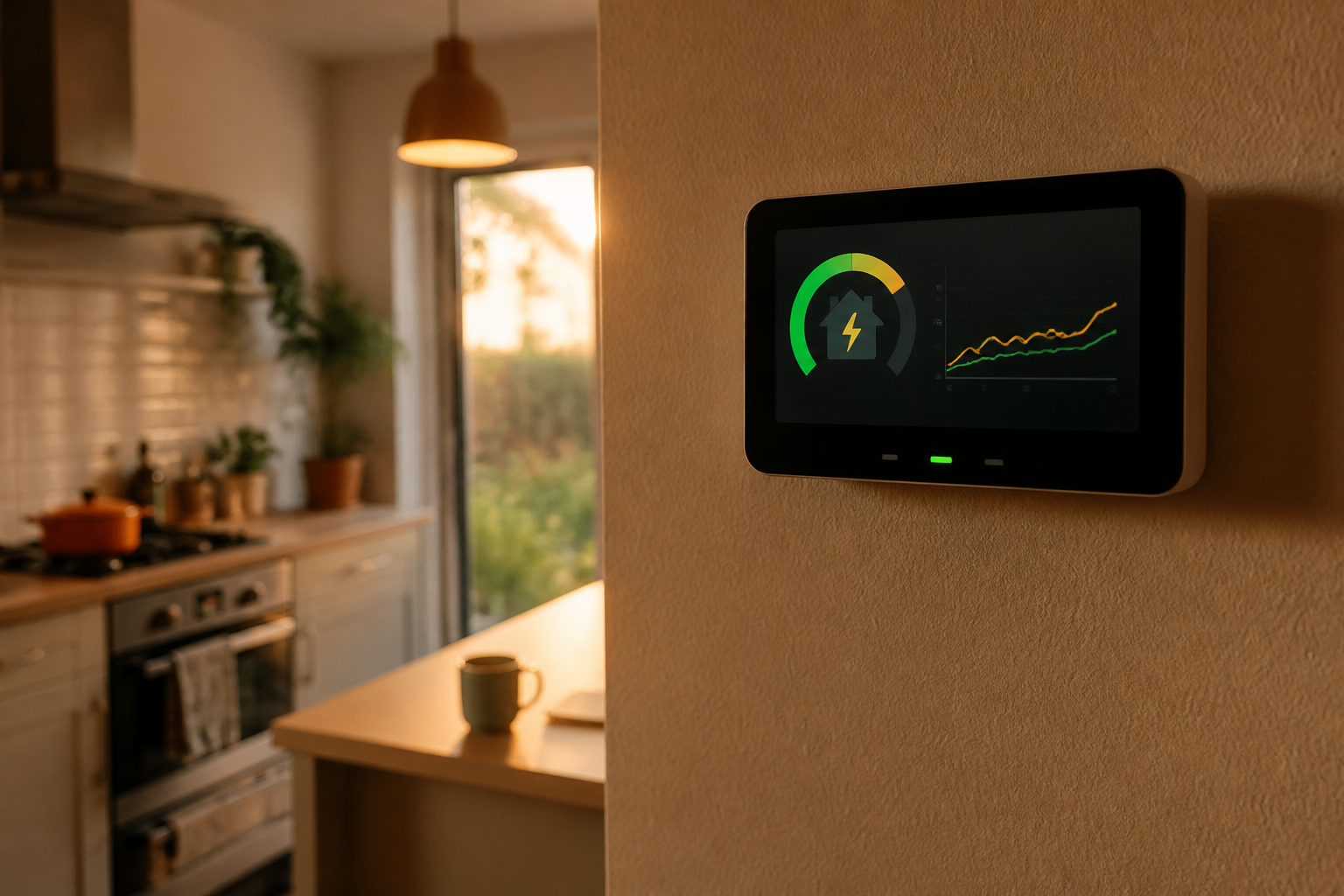
If you are preparing to purchase your first property or are supporting a family member through the buying process, evaluating home energy infrastructure during property viewings is as critical as checking structural condition. Ongoing energy bills directly alter your effective monthly housing costs.
First-time buyers should inspect the property EPC recommendation report before making an offer. Look specifically at the existing space heating type, hot water storage cylinder condition, and insulation depth in the loft space. Properties fitted with modern heat pumps or rooftop solar microgeneration offer lower ongoing operational costs, helping cushion your monthly budget against wholesale energy price volatility.
For existing homeowners or recent purchasers, prioritizing low-cost insulation upgrades before replacing primary heating assets yields the fastest payback. Sealing draft gaps and topping up loft insulation to the standard 270 mm depth reduces space heating demand immediately. If you plan to add renewable energy technology, installing a domestic solar PV array alongside battery storage allows you to store daytime solar generation or charge from low-cost off-peak tariffs, reducing grid reliance during peak evening hours.
What this means for employers
For HR, reward, and employee benefit leaders, the announcement of the Your First Home scheme reflects the broader economic pressures facing early-career and mid-career staff. High housing expenses combined with elevated utility bills are major drivers of workplace stress, financial anxiety, and turnover.
Employers are increasingly expanding financial wellbeing strategies beyond traditional pensions and pay reviews to include practical measures that reduce daily living costs. Helping employees lower their domestic utility bills provides a lasting financial buffer that protects real income without inflating baseline corporate payroll expenses.
To address this demand, organizations can introduce voluntary green employee benefits. The Net Zero Home Scheme provides employees with member pricing on MCS-accredited installations of solar panels, heat pumps, battery storage, and plug-in solar systems across England, Scotland, and Wales. Delivered alongside The Electric Car Scheme at zero cost to the employer and involving no salary sacrifice or payroll deductions, it gives staff a practical route to permanently reduce household running costs.
Frequently asked questions
When will full details of the Your First Home scheme be released?
According to the GOV.UK announcement published on 26 September 2026, full scheme details, eligibility criteria, and financial mechanisms will be formally presented by the government during the upcoming Budget speech.
How does property energy efficiency affect mortgage affordability?
Lenders calculate mortgage affordability by assessing disposable income after essential monthly expenditures. Lower domestic energy bills directly reduce expected monthly outgoings, giving buyers greater financial head-room when maintaining mortgage repayments.
Can existing homeowners upgrade energy efficiency without major building work?
Yes. Householders can implement incremental measures such as draft-proofing doors and windows, fitting smart thermostatic radiator valves (TRVs), upgrading loft insulation, or installing plug-in solar systems without requiring major structural changes or lengthy construction timescales.