Government Announces New Reforms for Long-Term Empty Homes
The UK government announced new policy reforms on 27 September 2026 aimed at bringing over 260,000 long-term empty homes back into active residential use.
- Written by
- Net Zero Home Scheme editorial team
- Last updated
- Topic
- energy efficiency, policy, insulation
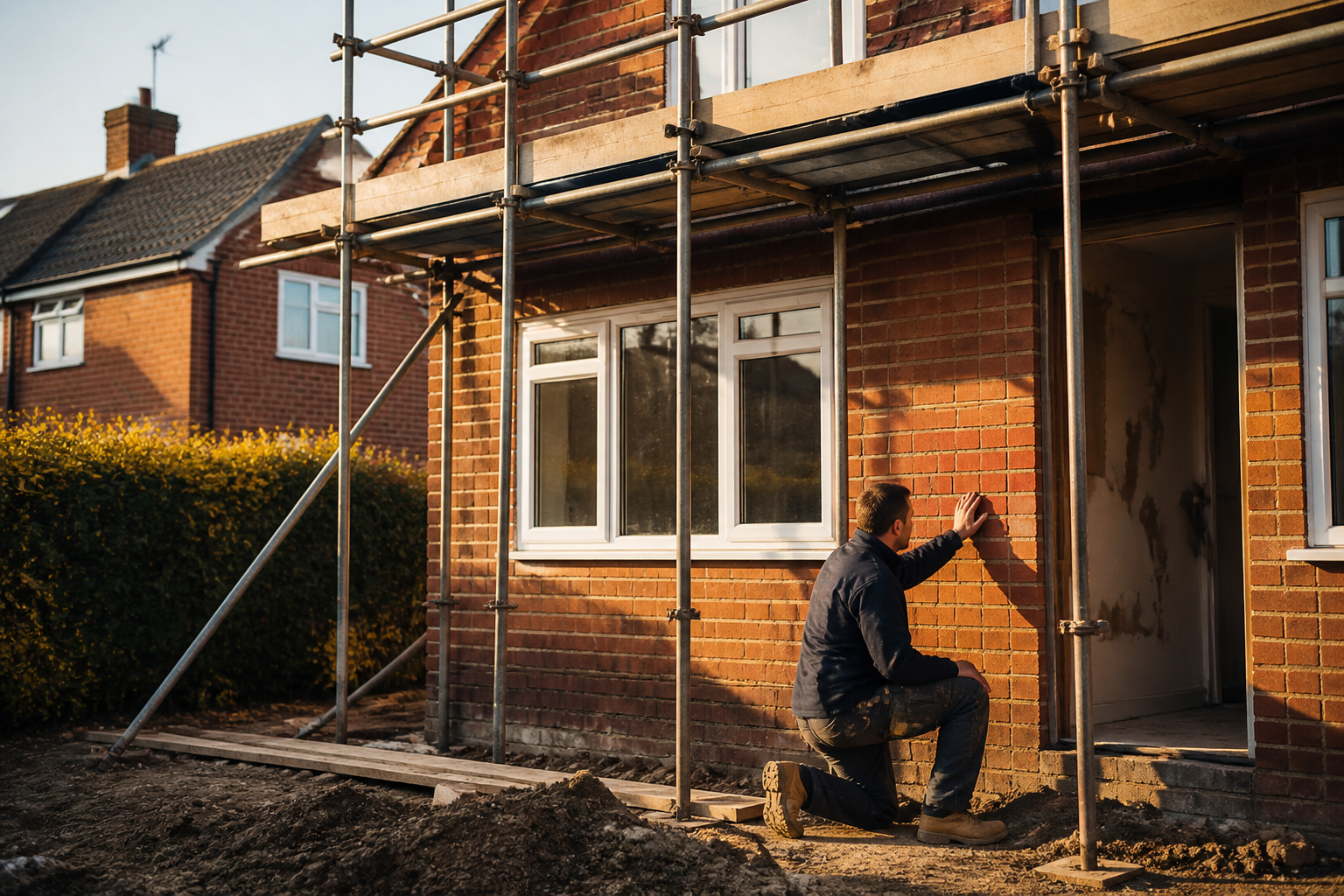
On 27 September 2026, GOV.UK published details of new government reforms intended to bring long-term empty properties back into active residential use across England. The announcement outlines revised local authority powers, updated financial mechanisms, and targeted planning adjustments aimed at returning vacant domestic buildings to the housing market.
The policy focuses on converting neglected domestic properties into habitable housing, addressing local supply constraints without requiring new greenfield construction. For households, landlords, and prospective buyers, the release signals stricter financial penalties on vacant dwellings alongside updated guidance for retrofitting older properties to meet basic energy efficiency requirements before re-occupancy.
Key policy changes and scope
The newly detailed measures clarify how local councils can apply council tax premiums to properties left empty for extended periods. Under the framework, local authorities retain the ability to levy higher council tax rates on vacant dwellings, while establishing clearer exemptions for property owners actively undertaking structural repairs or comprehensive energy efficiency retrofits.
The reforms also touch on planning permissions for converting non-residential buildings or long-vacant domestic sites. However, the policy does not lower building standard thresholds. Any property restored to the rental or sales market must still comply with statutory safety rules, minimum energy efficiency standards (MEES), and current building regulations regarding ventilation and thermal performance under Approved Documents L and F.
What the numbers say
Data published by GOV.UK on 27 September 2026 and supporting housing datasets set out the scale of vacant domestic stock across England:
- According to GOV.UK figures released on 27 September 2026, over 260,000 domestic properties in England are currently classed as long-term empty, having sat unoccupied for more than six months.
- Local authorities retain powers to apply council tax surcharges of up to 100 percent for homes vacant for over one year, rising to 300 percent for properties left unoccupied for ten years or more.
- Homes built prior to 1919 represent a significant proportion of long-term empty stock, with baseline Energy Performance Certificate (EPC) ratings frequently falling into bands E, F, or G.
- Restoring an empty property to minimum EPC band C requirements typically requires insulating solid walls or uninsulated lofts, which can reduce space heating demands by between 2,000 kWh and 6,000 kWh annually depending on property floor area.
The official figures highlight that while bringing empty homes online increases housing availability, the physical condition of these dwellings often presents substantial energy performance challenges.
Retrofit standards and technical requirements

When bringing a long-term empty home back into active use, property owners face specific compliance thresholds. Simply repainting or fixing cosmetic issues is rarely sufficient to meet legal letting criteria or modern thermal standards.
| Retrofit Component | Standard / Requirement | Operational Impact |
|---|---|---|
| Heating System | MCS accredited heat pump or modern boiler | Minimum Seasonal Coefficient of Performance (SCOP) of 2.8 for heat pumps |
| Insulation | PAS 2035 compliant fabric upgrade | Reduces heat loss rate (W/m²K) across external walls and roof space |
| Ventilation | Approved Document F compliance | Prevents moisture buildup and condensation in high-tightness retrofits |
| Electrical | BS 7671 verification & consumer unit upgrade | Essential for handling heat pumps, EV chargers, and solar PV |
Restoring empty properties to active use requires addressing structural heat loss before modern low-carbon heating systems like heat pumps can operate efficiently. Homes with severe draughts or poor insulation require high flow temperatures, reducing heat pump efficiency and raising operating running costs.
What this means for your home
If you own, are considering purchasing, or currently live near a long-term empty property, the 27 September 2026 announcement introduces several operational considerations:
First, property owners holding vacant dwellings face increased financial exposure through local authority council tax premiums if properties sit disused without active refurbishment plans. If you are refurbishing an empty home, prioritizing basic building fabric upgrades, such as loft insulation, cavity or internal wall insulation, and double glazing, ensures the building complies with MEES standards prior to sale or tenancy.
Second, retrofitting an empty property offers an ideal opportunity to install renewable energy systems, such as solar PV panels or air source heat pumps, before occupants move in. Installing pipework, updating consumer units to BS 7671 standards, and positioning hot water cylinders is significantly less disruptive in an empty dwelling than in an occupied household. However, the energy policy does not grant direct subsidies for structural repairs, meaning owners must balance capital expenditure against long-term energy savings and property value increases.
What this means for employers
For HR directors, reward managers, and employee benefit leads, the ongoing national focus on housing quality and home energy efficiency highlights the financial pressure standard energy bills exert on workforce resilience. Employees purchasing fixer-upper properties or managing older homes often struggle with high utility costs and complex retrofit planning.
Providing practical, non-taxable workplace support helps staff navigate these decisions effectively. Through the Net Zero Home Scheme, employers can give their staff access to member pricing on accredited solar PV, heat pump, battery storage, and plug-in solar installations from vetted installers, at zero cost to the organisation and without salary sacrifice or payroll deductions. Offering access to structured home energy solutions supports staff retention and financial wellness as housing costs remain a primary concern across the UK workforce.
Frequently asked questions
Does the empty homes reform offer direct grants for heat pumps or insulation?
No. The GOV.UK policy published on 27 September 2026 focuses on administrative reforms, council tax premium rules, and local authority powers. Homeowners and landlords restoring empty properties must still access standard schemes such as the Boiler Upgrade Scheme for heat pump grants or local authority eco funding where eligible.
Are empty homes exempt from minimum energy efficiency standards?
No. Domestic rental properties brought back into use must meet Minimum Energy Efficiency Standards (MEES), which currently mandate a minimum EPC rating of E before a new tenancy can begin, with proposals continuing to target higher baseline energy efficiency ratings in future regulatory cycles.
How do council tax premiums apply during major building retrofits?
Local authorities have discretionary powers to grant temporary council tax premium exemptions when an empty property is undergoing active, major structural repairs or comprehensive energy efficiency retrofits. Property owners must apply directly to their local council with evidence of ongoing building works.