BBC Report Highlights Heating Costs Impact on Staff
BBC News reporting shows rising heating costs are pushing UK workers to take extra shifts, highlighting the role HR leaders play in easing domestic energy strain after Budget 2026.
- Written by
- Net Zero Home Scheme editorial team
- Last updated
- Topic
- energy bills, employee benefits, heat pumps
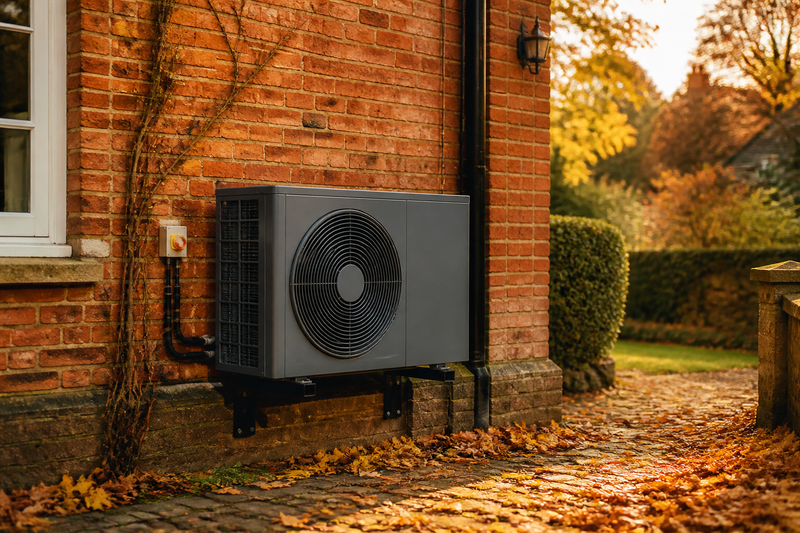
BBC News reported on 6 November 2026 that household heating pressures are forcing rural UK workers to take on second jobs to cover domestic fuel bills ahead of winter. As outlined in our full Budget 2026 guide, recent Treasury updates set out strict deadlines for domestic clean energy incentives that employers and reward teams must navigate to protect employee financial health.
Many workplace reward teams assume domestic heating costs sit outside their remit, treating home energy bills as a purely personal matter. That view overlooks how severe winter bill spikes directly erode take-home pay, drive requests for paid overtime, and reduce job satisfaction among remote and hybrid staff.
BBC Reporting Highlights Winter Fuel Pressures on Staff
The investigation published by BBC News on 6 November 2026 revealed that workers in off-gas areas are facing steep upfront payments for heating oil, prompting some to work extra shifts simply to keep their radiators on. For employees living in rural communities across England, Scotland and Wales, domestic heating is a major fixed cost that volatile energy markets can double overnight.
While central government measures announced in Budget 2026 aim to stabilise energy infrastructure over the next decade, immediate relief for domestic bills remains limited. For staff relying on heating oil, LPG or inefficient electric heaters, the gap between earnings and essential home running costs is creating genuine financial distress. Reward directors who monitor employee financial wellbeing are seeing this pressure show up in benefit engagement surveys, pension opt-out requests, and hardship fund applications.
How Off-Gas Energy Costs Impact Workforce Productivity
When heating costs spike, the physical working environment for remote staff deteriorates. Employees trying to save money often restrict heating to single rooms or turn off thermostatic radiator valves entirely, leading to damp working conditions, reduced focus, and higher sick leave rates during winter months.
Consider the operational impact on a typical regional business. When staff experience severe household bill inflation, performance and retention deteriorate across key departments:
- Increased absenteeism: Cold indoor environments exacerbate respiratory illnesses, leading to avoidable winter sick leave.
- Pressure on base pay: Staff experiencing acute bill shock look for short-term pay increases or switch jobs for small incremental salary lifts.
- Reduced benefit engagement: Traditional voluntary perks, like gym memberships or retail discount portals, lose appeal when workers face immediate fuel deficits.
A Practical Illustration: Managing Winter Bills at Home
To understand how domestic heating choices affect household finances, consider the hypothetical case of Sarah, a operations coordinator working three days a week from her home in West Sussex. Her home relies on an aging oil boiler that consumes roughly 1,800 litres of kerosene each year. At current deliverable prices reported by regional suppliers, filling her storage tank requires an upfront payment exceeding £1,400.
If Sarah replaces that oil boiler with a modern air source heat pump featuring a Seasonal Coefficient of Performance (SCOP) of 3.8, her annual space heating requirement drops from 18,000 kWh of delivered oil thermal energy to roughly 4,736 kWh of electricity. Combined with the £7,500 government grant delivered through the Boiler Upgrade Scheme, her net upgrade costs fall significantly, shielding her household budget from future bulk oil price shocks. However, timing matters because upcoming tax shifts will alter installation economics.
Key Budget 2026 Energy Timelines HR Teams Must Track

Treasury policy updates following Budget 2026 set out clear operational windows for domestic energy installations. Under current HMRC rules, energy-saving equipment installations benefit from a temporary 0% VAT rate. However, this zero-rate relief is scheduled to end on 31 March 2027, after which VAT rises to 5% on 1 April 2027.
For an average heat pump installation costing £11,000 before grants, the return to a 5% VAT rate adds £550 to the gross charge. For households considering home battery systems or solar upgrades alongside heating replacements, completing work before the April 2027 deadline delivers meaningful upfront savings.
The table below outlines the critical dates, regulatory frameworks, and practical implications for HR leads and households planning home energy projects:
| Incentive or Tax Rule | Current Status | Deadline / Change Date | Household & Operational Impact |
|---|---|---|---|
| HMRC VAT Relief | 0% VAT rate on clean heat installs | 31 March 2027 | VAT increases to 5% on 1 April 2027, raising installation costs |
| Boiler Upgrade Scheme | £7,500 grant for heat pumps | Active through 2028 | Vetted MCS-accredited installers apply grant directly at point of sale |
| HMRC Payrolling Benefits | Optional payroll reporting | 6 April 2027 | Payrolling of taxable benefits becomes mandatory for UK employers |
| National Living Wage | Set at £12.21 per hour | 1 April 2027 | Rises to £13.21 per hour, increasing low-pay compliance thresholds |
Practical Steps for Reward Leaders and Staff Planning Upgrades
Employer support for household energy management does not require direct corporate spending or complex tax administration. Reward teams can take clear steps to guide staff toward accredited, cost-effective home energy upgrades:
- Audit current benefit offerings: Evaluate whether your workplace reward strategy offers direct, practical help with home running costs.
- Communicate VAT deadlines early: Remind staff that completing home heating and battery storage upgrades before 31 March 2027 avoids the 5% VAT rate increase.
- Promote accredited standards: Encourage employees to use installers holding Microgeneration Certification Scheme (MCS), TrustMark, and Renewable Energy Consumer Code (RECC) accreditations to protect grant eligibility.
To support employees facing high heating bills without adding payroll complexity, forward-thinking employers are adopting voluntary workplace benefits. Joining The Net Zero Home Scheme is free for employers to set up and requires no salary sacrifice or payroll administration, giving staff member pricing of up to 15% off swapping their gas or oil boiler for an efficient heat pump installed by vetted, accredited engineers. It is delivered by the team behind The Electric Car Scheme and The Charge Scheme, helping HR teams extend meaningful financial wellbeing support to staff without administrative burden.