UK Winter Energy Costs Forecast to Lead Europe as Imports Surge
Official forecasts show Great Britain will pay some of Europe's highest energy costs this winter due to gas import reliance, according to reports published on 23 October 2026.
- Written by
- Net Zero Home Scheme editorial team
- Last updated
- Topic
- energy bills, policy, tariffs
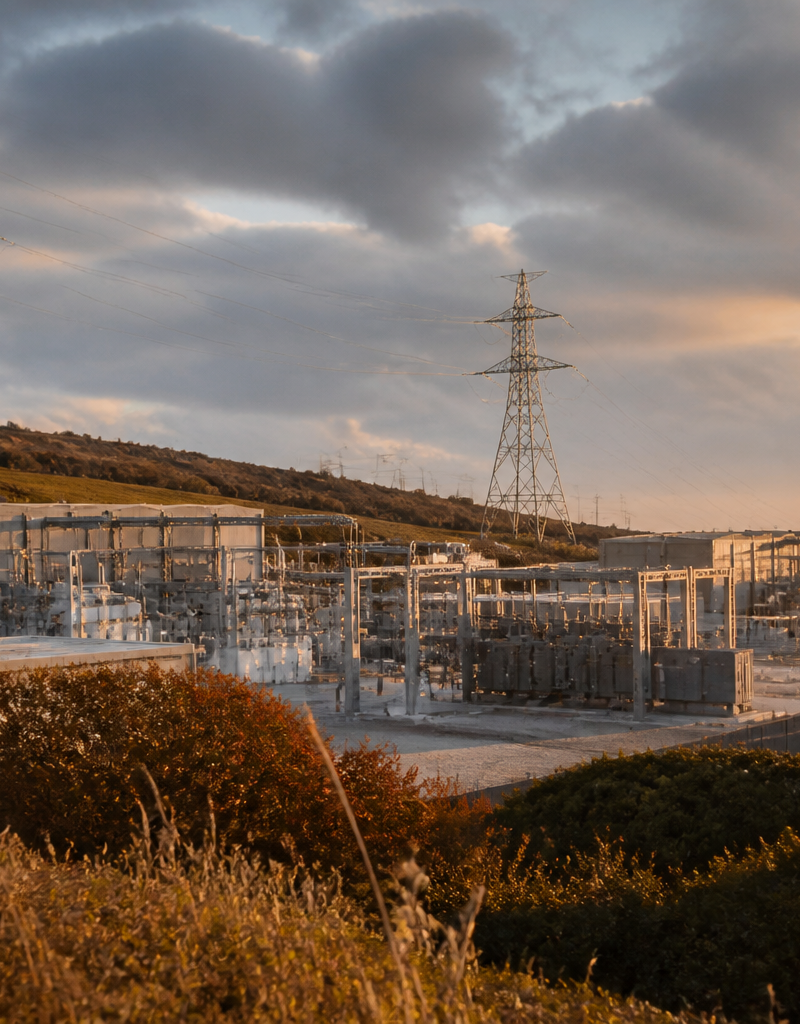
Are high winter energy costs set to put renewed pressure on British household budgets over the coming months?
On 23 October 2026, The Guardian reported that official energy system forecasts show Great Britain is expected to pay some of Europe's highest wholesale prices for electricity and natural gas this winter. The elevated costs stem from Britain relying heavily on imported gas and cross-border power cables to meet peak cold-weather demand, requiring the energy system to offer premium market rates to secure supplies from continental Europe.
On the same day, 23 October 2026, BBC News reported statements from the National Energy System Operator (NESO) offering assurances that electricity supplies will remain sufficient through the coldest months. NESO engineers confirmed that while overall supply margins are adequate to maintain grid stability, keeping the lights on relies on market price signals that pull in subsea imports from neighbouring countries when domestic wind generation drops or heating demand spikes.
Because Great Britain imports approximately 60% of its natural gas demand, according to financial analysis published by The Guardian on 23 October 2026, marginal wholesale power prices in the British market remain tightly linked to international gas prices. When European demand rises during cold spells, British wholesale rates must rise above continental benchmarks to ensure interconnectors continue flowing into Great Britain rather than exporting power outward.
How Interconnector Pricing and Import Reliance Shape Winter Power Margins
As temperatures fall between November and March, electricity and gas consumption increases sharply across Northern Europe. Great Britain's electricity generation fleet relies on a combination of offshore wind, nuclear, biomass, and natural gas thermal plants, supplemented by subsea interconnectors linking the national grid to electricity systems in France, Belgium, Norway, and the Netherlands.
When domestic wind output is strong, wholesale electricity prices drop significantly. However, during extended periods of low wind speed and low temperatures, known as cold doldrums or dunkelflaute, the grid relies heavily on flexible gas generation and subsea imports. According to grid forecasts cited by The Guardian on 23 October 2026, British wholesale power markets must maintain a structural price premium relative to neighbouring European markets to attract cross-border electricity flows during these demand peaks.
This structural premium directly influences retail energy costs. While safety margins remain intact according to NESO's winter assessment on 23 October 2026, householders face sustained elevated unit rates for both electricity and gas compared to historical averages. System balancing costs, incurred when the grid operator pays generators and interconnector partners to adjust supply in real time, also feed directly into consumer standing charges and unit rates.
Operational Drivers of UK Winter Wholesale Energy Premiums
Understanding how systemic import requirements affect retail tariffs helps households and workplace benefit planners evaluate home energy upgrades. The table below outlines the core grid factors, operational realities, and their practical impact on energy end-users as reported across national grid and industry metrics in October 2026.
| System Factor | Grid Operational Reality | Practical Effect on Household Tariffs |
|---|---|---|
| Gas Import Reliance | UK imports ~60% of natural gas needs (The Guardian, 23 Oct 2026) | Marginal wholesale power prices remain tied to international LNG and pipeline gas costs. |
| Interconnector Flow | NESO secures supply via higher bids than continental buyers (BBC News, 23 Oct 2026) | Electricity unit rates carry an import premium during peak cold-weather demand periods. |
| Wind Generation Gaps | Dunkelflaute events require rapid ramp-up of gas plants and imports | High day-to-day volatility in time-of-use wholesale power prices during winter months. |
| System Safety Margins | Capacity market and operational reserves ensure grid stability | Supply security is maintained, but overall balancing costs feed into consumer standing charges and unit rates. |
What Households Should Watch For and How Clean Energy Paybacks Are Affected
For British householders, high and volatile wholesale import costs reinforce the importance of reducing reliance on grid electricity during peak pricing windows. While retail unit rates are governed by regulatory price caps or fixed contracts, the fundamental economics of home generation, battery storage, and heat pumps are directly tied to these underlying energy market conditions.
- Solar PV and Home Battery Payback: Solar generation drops during winter months due to shorter daylight hours and lower sun angles. However, pairing solar PV with home battery storage allows householders to import cheaper overnight grid electricity on smart time-of-use tariffs and discharge the stored power during expensive morning and evening peak windows. With wholesale import costs forecasted to remain among the highest in Europe (The Guardian, 23 October 2026), the spread between off-peak overnight rates and peak daytime rates remains wide. This daily price arbitrage improves the financial return on home battery investments, shortening typical payback periods from 8 to 10 years down to 6 to 8 years depending on household consumption patterns and system sizing.
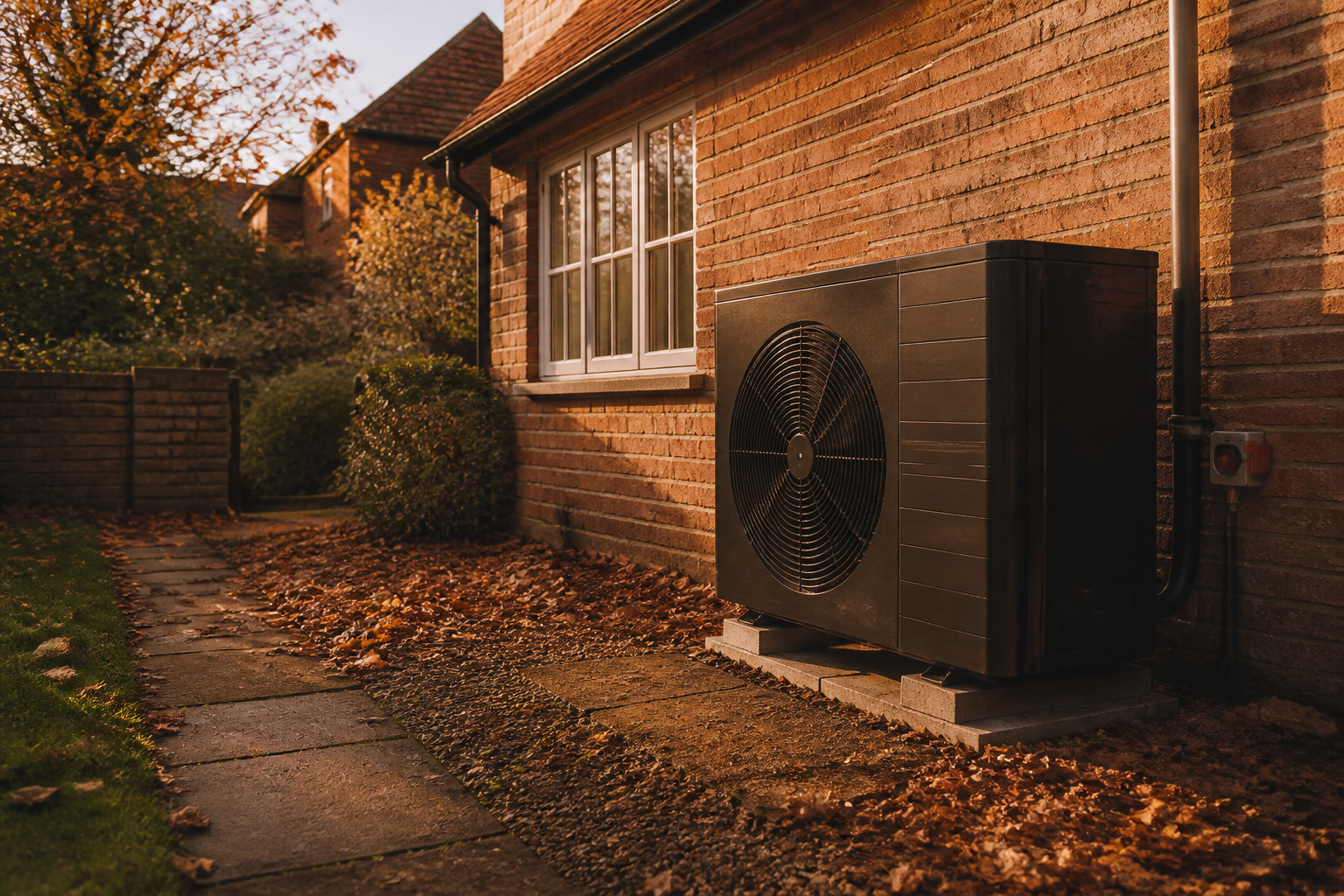
- Heat Pump Running Costs and Efficiency: Heat pumps draw environmental heat from outdoor air to deliver space heating and domestic hot water. A modern air source heat pump operating at a seasonal coefficient of performance (SCOP) of 3.2 delivers 3.2 kWh of heat for every 1 kWh of electricity consumed. When wholesale gas prices drive up electricity costs, heating system efficiency becomes critical. Homeowners transitioning from gas boilers or direct electric heating benefit most when heat pumps are combined with weather compensation controls and well-sized radiators, keeping flow temperatures low (around 45°C or lower) to maximise efficiency during cold weather.
- Plug-In Solar for Renters and Apartments: For occupants unable to install roof-mounted panels, small-scale plug-in solar kits offer a lower-barrier entry point to offset daytime baseline loads such as refrigerators and home office equipment. While plug-in kits generate less total power (typically 400W to 800W peak), their low capital entry cost means even modest energy production yields an immediate reduction in baseline grid imports during daylight hours.
What Workplace Reward Leaders Should Take From Higher Energy Volatility
Rising winter energy expenses continue to impact household budgets, directly influencing employee financial wellbeing and disposable income. When wholesale energy import costs drive up domestic utility bills, staff look to workplace benefit packages for practical solutions that deliver lasting reductions in living expenses.
Unlike temporary cash bonuses, practical benefits that help employees lower their home energy consumption provide recurring, long-term savings. Reward managers assessing green benefits must weigh administrative complexity, tax compliance, and actual employee take-up across diverse housing types.
For reward teams looking to provide practical relief against home energy costs without incurring financial or administrative burdens, the Net Zero Home Scheme provides a simple mechanism. The scheme is completely free for employers to offer, requiring no salary sacrifice and no payroll deductions, while giving employees access to member pricing on solar panels with battery storage as well as clean heat pump installations through accredited contractors across England, Scotland, and Wales.
By offering pre-vetted access to MCS-accredited and TrustMark-registered installers, employers enable hybrid and remote staff to reduce energy overheads permanently, building long-term household resilience against winter grid price spikes.