UK Household Energy Bills Rise by £60 as New Tariff Rates Begin
BBC News reported on 1 October 2026 that typical annual UK household energy bills have increased by £60 as revised default tariff rates take effect across Britain.
- Written by
- Net Zero Home Scheme editorial team
- Last updated
- Topic
- energy bills, tariffs, energy efficiency
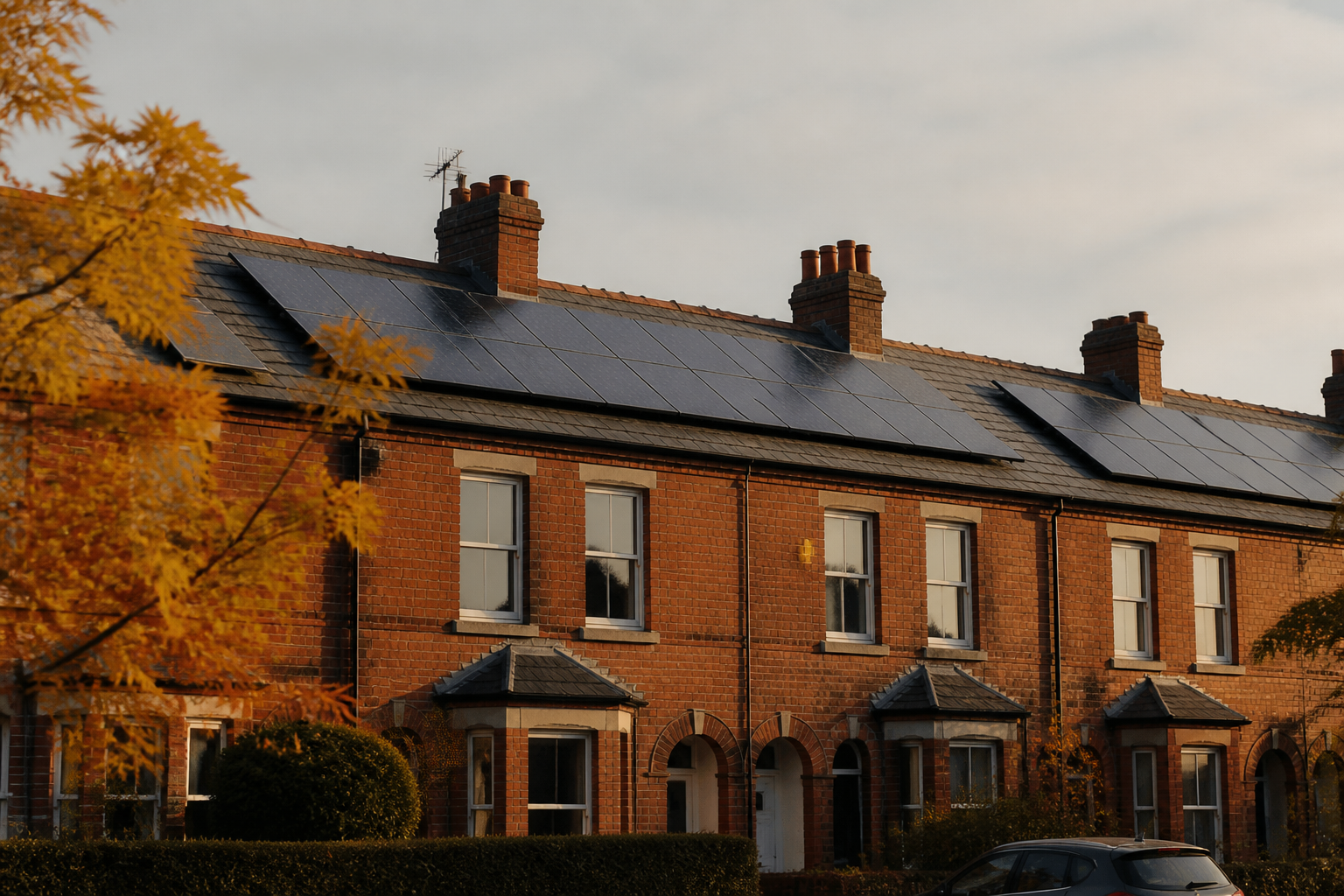
BBC News reported on 1 October 2026 that household energy bills across England, Scotland, and Wales have increased by an average of £60 per year. The headline change reflects updated price caps on default variable tariffs taking effect for the final quarter of 2026, pushing typical dual-fuel household energy expenditure higher just as autumn heating demand begins.
This annual rate increase directly affects approximately 27 million households remaining on standard default variable tariffs rather than fixed-rate term contracts. While wholesale gas and electricity markets have stabilized significantly compared to the extreme spikes recorded in 2022, seasonal demand shifts and persistent standing charges mean baseline domestic utility costs remain well above historical norms.
What the numbers say

According to financial data published by BBC News on 1 October 2026, the seasonal tariff adjustment adds roughly £60 to the average annual utility cost for homes using both gas and electricity on default tariffs. In parallel reporting on 1 October 2026, The Guardian documented how high winter standing charges and variable unit rates continue to drive householder interest in self-generation and retrofits.
| Metric | Published Detail | Source and Date |
|---|---|---|
| Average Bill Increase | £60 per year for standard dual-fuel default tariffs | BBC News, 1 October 2026 |
| Affected Customer Accounts | Approximately 27 million domestic accounts | BBC News, 1 October 2026 |
| Effective Date | 1 October 2026 | BBC News, 1 October 2026 |
| Zero-Bill Retrofit Impact | Combined solar, battery, and heat pump eliminates grid heating bills | The Guardian, 1 October 2026 |
The figures reported by BBC News on 1 October 2026 highlight that while wholesale energy market panic has subsided, domestic price caps remain sensitive to seasonal supply pressure. As highlighted by The Guardian on 1 October 2026, these routine adjustments sustain financial pressure on households relying entirely on standard grid electricity and natural gas throughout the colder months.
What changes for household energy budgets
The price adjustment shifts the financial baseline for space heating and power consumption across Great Britain. Under the updated default rates, both unit charges per kilowatt-hour (kWh) and daily fixed standing charges determine the total bill.
What has changed:
- Default variable rates: Suppliers have adjusted standard unit rates for electricity and gas upward in line with the regulated price ceiling taking effect from 1 October 2026.
- Seasonal heating costs: Operating central gas boilers or direct electric resistance heaters during cold spells will generate higher weekly running costs than during the summer and spring months.
- Payback timeframes for clean technology: Higher grid energy unit costs reduce the simple payback period for technologies that displace grid electricity or improve thermal efficiency, including solar PV arrays, home batteries, and heat pumps.
What has not changed:
- Fixed-rate tariff agreements: Households currently locked into fixed-rate contracts executed prior to 1 October 2026 will experience no immediate price adjustments until their agreed contract term expires.
- Policy levies on power bills: Electricity tariffs continue to carry legacy policy levies, maintaining the historical price gap between per-kWh electricity rates and per-kWh gas rates.
- Target support criteria: Statutory energy support parameters, including qualifying criteria for the Warm Home Discount scheme, remain governed by separate Department for Energy Security and Net Zero guidelines.
Where industry reporting remains uncertain, such as medium-term wholesale gas pricing for mid-2027, energy analysts emphasize that geopolitical pressures and European storage levels could cause further adjustments in upcoming regulatory cycles.
What this means for your home
For UK householders, the £60 annual increase reported by BBC News on 1 October 2026 underlines the value of auditing home energy use before winter temperatures fall. Reducing reliance on unmitigated grid energy involves clear practical steps:
- Check tariff structures: Determine whether your energy supplier offers time-of-use tariffs. EV drivers or home battery owners can charge storage units during off-peak overnight hours when electricity unit rates are significantly cheaper.
- Optimize heat pump settings: A modern air source heat pump installed to Microgeneration Certification Scheme (MCS) standards operates with a Seasonal Coefficient of Performance (SCOP) typically between 3.0 and 4.0. Maintaining low flow temperatures via weather compensation controls ensures the system delivers maximum heat output per kWh of electricity consumed, mitigating higher tariff rates.
- Consider domestic solar and storage: Installing rooftop solar PV combined with a home battery allows households to generate their own power during daylight hours and store excess generation for evening peak periods, insulating the home from grid price increases.
- Upgrade insulation levels: Ensuring loft insulation reaches the recommended 270 mm depth and sealing uninsulated cavity walls cuts heat loss, directly lowering the overall kilowatt-hour heating demand of the building regardless of supplier price caps.
What this means for employers
Rising utility bills create real financial challenges for employees, especially hybrid and home-based staff who incur higher heating and lighting costs while working from home during winter months. As living expenses fluctuate, business leaders and HR professionals face growing demand for meaningful, non-taxable workplace benefits that help staff control household expenditures.
Employers looking to support staff well-being can introduce clean energy benefits without adding payroll overheads. Through the Net Zero Home Scheme, employers can give staff access to member pricing on accredited solar PV, heat pumps, battery storage, and plug-in solar installations across England, Scotland, and Wales at zero cost to the organization and with no salary sacrifice or payroll administration required.
Frequently asked questions
How much did energy bills increase on 1 October 2026?
According to BBC News reporting published on 1 October 2026, standard variable default energy tariffs increased by an average of £60 per year for a typical dual-fuel UK household.
Does this bill increase apply to households on fixed tariffs?
No. If you are currently enrolled in a fixed-rate energy contract, your unit rates and daily standing charges remain locked for the duration of your contract period. The rate rise reported by BBC News on 1 October 2026 applies only to default standard variable tariffs.
How do higher grid rates affect heat pump running costs?
While an increase in electricity unit rates raises grid power costs, high-efficiency heat pumps running at a SCOP of 3.5 generate 3.5 kWh of heat for every 1 kWh of electricity consumed. This high efficiency keeps heat pumps significantly cheaper to run than direct electric heating systems when electricity prices rise.