Retrofitting Domestic Battery Storage: Step-by-Step UK Guide
A practical guide to adding battery storage to your UK home, covering equipment costs, DNO approvals, safety standards and installation steps.
- Written by
- Net Zero Home Scheme editorial team
- Last updated
- Topic
- battery storage, home energy, mcs
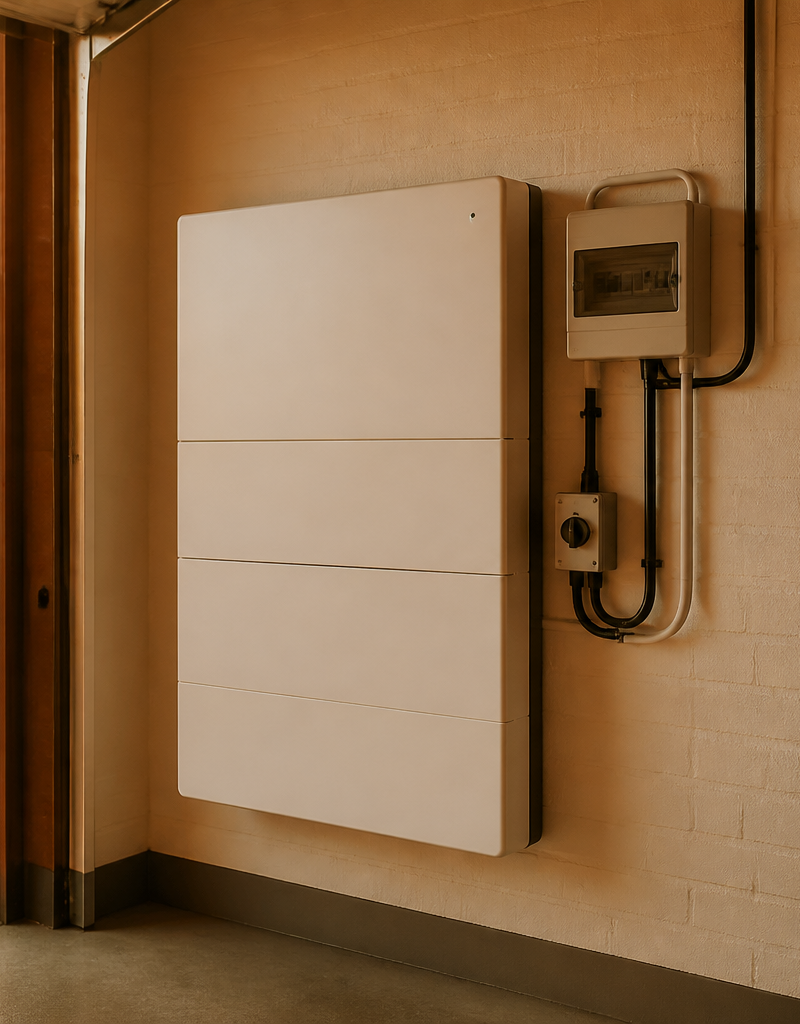
Adding a home battery to your property allows you to store excess electricity generated by solar panels or import cheaper electricity during off-peak overnight hours. As UK energy prices remain volatile, storing low-cost power to use during expensive peak hours has become a popular retrofit project. However, retrofitting a domestic battery requires careful planning around physical space, electrical infrastructure, grid connection permissions and safety standards.
This practical guide sets out the practical steps, realistic costs, safety rules and installer checks required to add battery storage to a UK home.
Assessing your home for battery storage
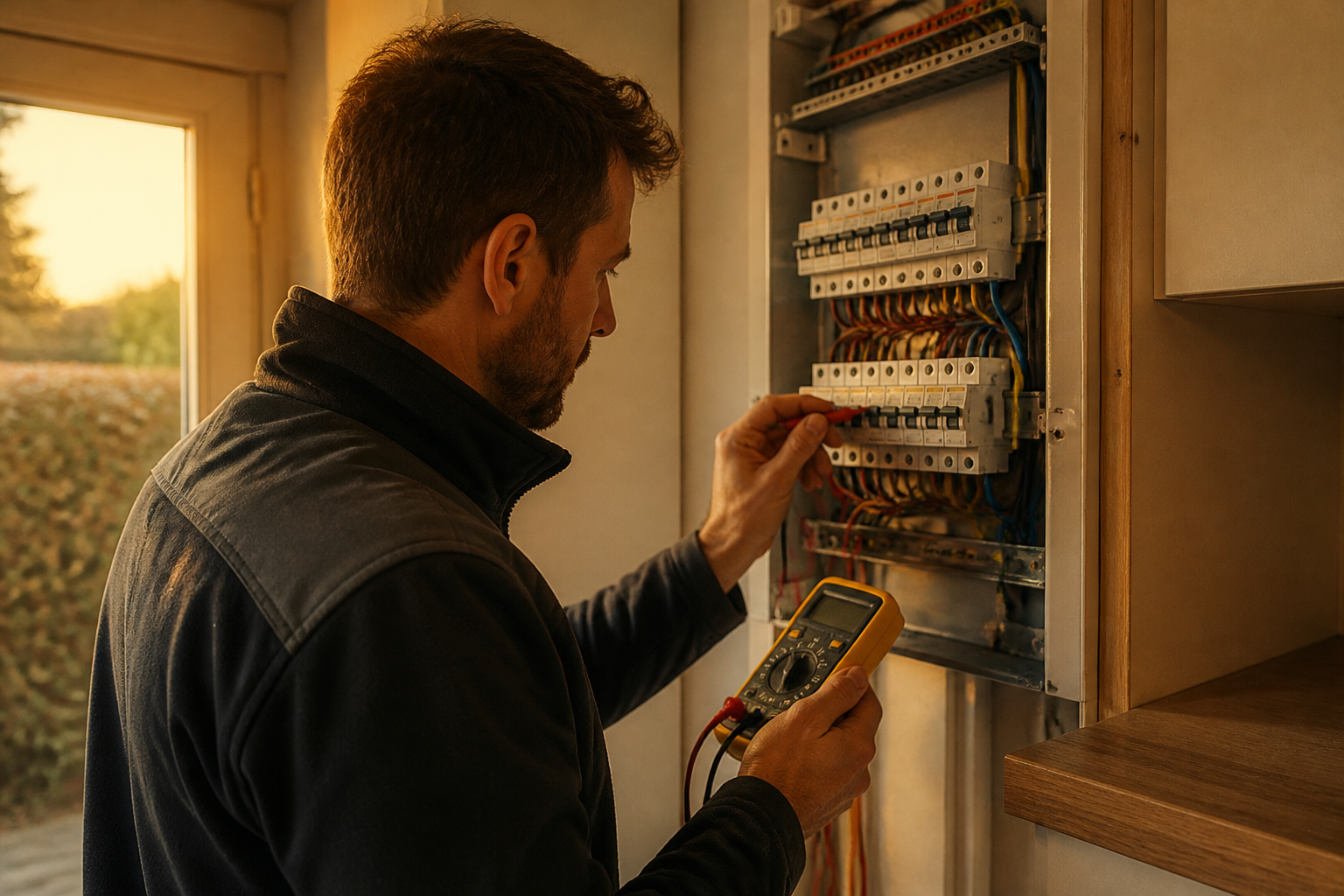
Before requesting quotes, you need to evaluate whether your home is physically and electrically suitable for a battery system. Modern domestic batteries predominantly use Lithium Iron Phosphate (LFP) chemistry, which is safer and longer-lasting than older nickel-based chemistries, but units remain heavy and substantial in size.
First, check your existing electrical consumer unit (fuse box). Modern battery inverters require a dedicated circuit with suitable protective devices, such as a Residual Current Breaker with Overcurrent protection (RCBO). If your consumer unit is old, lacks spare ways, or uses rewirable fuses, your installer will need to upgrade it or fit a sub-board, adding £300 to £800 to your total project cost.
Second, consider physical placement. A typical 5 kWh to 10 kWh usable capacity battery weighs between 50 kg and 120 kg. It can be wall-mounted on a solid masonry wall or floor-standing. While lofts were historically popular locations, current guidelines strongly advise against loft installations due to heat buildup, fire evacuation routes and weight limits on ceiling joists. Suitable locations include attached garages, utility rooms, or exterior walls if the battery carries an IP65 or higher ingress protection rating for weatherproofing.
Navigating UK regulations and safety standards
Domestic battery installations must comply with strict electrical and fire safety rules in the UK. Understanding these standards ensures your installation is safe and compliant with insurance policies.
In March 2024, the British Standards Institution published PAS 63100:2024, a dedicated standard for the protection against fire of battery energy storage systems in residential dwellings. Under these guidelines, batteries should not be installed in escape routes, main stairwells, or habitable rooms such as bedrooms and living rooms. Installing in a garage, outbuilding, or external wall with appropriate clearance from doors and windows is the recommended approach.
Grid connection approval is another essential step managed through the Energy Networks Association (ENA). Your Distribution Network Operator (DNO), the company managing the physical wires in your region, must be notified:
- G98 notification: If your inverter output is 16 Amps or lower per phase (up to 3.68 kW), your installer can install the system and inform the DNO within 28 days of commissioning.
- G99 application: If your combined inverter capacity (including any existing solar inverter) exceeds 3.68 kW, your installer must apply for prior approval before installation begins. DNO assessment can take between four and eight weeks.
From a financial standpoint, HM Revenue & Customs extended the 0% VAT rate to standalone home battery retrofits installed in UK residential properties from 1 February 2024. Ensure your installer applies 0% VAT to both the equipment and labor on your quote.
Accreditations to look for in an installer
Working with qualified professionals protects your warranty and ensures your system meets UK Building Regulations Part P (Electrical Safety). When evaluating installation companies, verify that they hold the following credentials:
- Microgeneration Certification Scheme (MCS): While MCS accreditation was historically focused on solar panels and heat pumps, MCS maintains standards for battery storage installations (MIS 3012). MCS certification is often required if you want to export stored power under smart export tariffs.
- Competent Person Scheme: Your installer should be registered with an approved body such as NICEIC, NAPIT, or ELECSA. This enables them to self-certify the electrical work under Part P and provide a Building Regulations Compliance Certificate.
- Consumer Code Membership: Ensure the company is a member of the Renewable Energy Consumer Code (RECC) or the Home Insulation and Energy Systems Contractors Scheme (HIES), providing deposit protection and independent dispute resolution.
- TrustMark Registration: TrustMark provides an additional layer of quality assurance backed by the government.
Realistic costs and installation timelines
Total installed costs vary depending on storage capacity, inverter power rating, and any required consumer unit upgrades. As of late 2024, typical turnkey retrofit costs for an AC-coupled battery system in the UK fall into these ranges:
- Small system (approx. 5 kWh capacity): £3,500 to £4,800 total installed cost.
- Medium system (approx. 8 kWh to 10 kWh capacity): £5,000 to £6,800 total installed cost.
- Large system (approx. 13 kWh to 15 kWh capacity): £7,200 to £9,500 total installed cost.
An AC-coupled system connects to your home's existing AC electrical layout, making it the standard choice when retrofitting a battery to a home with or without existing solar panels. DC-coupled systems integrate directly with a hybrid solar inverter, which is ideal if you are replacing an old solar inverter at the same time.
From placing your deposit to final commissioning, the typical timeline ranges from three to ten weeks, largely dictated by whether a G99 DNO application is required.
Key questions to ask your installer
Use this checklist during your site survey to compare quotes and confirm technical details:
| Assessment Area | Questions to Ask the Installer | What to Look for in the Answer |
|---|---|---|
| Grid Approval | Will this installation require G98 notification or prior G99 approval? | G99 requires DNO sign-off before work starts; installer should handle paperwork. |
| Battery Chemistry & Warranty | What is the battery chemistry, cycle count, and warranty depth? | Look for LFP chemistry with at least 6,000 cycles or a 10-year warranty to 70% capacity. |
| Fire Safety Compliance | Does the proposed location comply with BSI PAS 63100:2024 safety distance rules? | Clear separation from escape routes, windows, and flammable materials. |
| Emergency Backup | Does the quote include EPS (Emergency Power Supply) for power cuts? | Standard setups shut down during power cuts; EPS requires additional cabling and isolation gear. |
| Tariff Compatibility | Will the system work with automated dynamic or off-peak tariffs? | Inverter firmware must support scheduled charging and open API connectivity. |
What this means for you
Retrofitting battery storage provides greater control over your electricity expenses, allowing you to bypass peak grid tariffs and make full use of self-generated renewable energy. By choosing an MCS-certified installer, verifying PAS 63100 safety compliance, and securing correct DNO approvals, you protect your property and ensure long-term system reliability.
If your employer offers access to home energy retrofits through the Net Zero Home Scheme, you can access pre-vetted, MCS-accredited installers and preferential pricing on battery storage alongside heat pumps and solar PV. For those looking to combine home energy upgrades with electric driving, our sister brand The Electric Car Scheme offers salary sacrifice electric cars, while The Charge Scheme supports home wallbox charger installations.
Frequently asked questions
Can I install a battery without solar panels?
Yes. Standalone battery retrofits can be charged entirely from the electricity grid during cheap overnight off-peak tariff windows. You can then discharge the battery during peak daytime hours to power your household appliances, reducing overall energy bills.
How long does a home battery system last?
Most modern Lithium Iron Phosphate (LFP) home batteries are rated for 6,000 to 10,000 charge-discharge cycles, which equates to roughly 10 to 15 years of daily use. Standard manufacturer warranties typically cover 10 years or a specified total throughput in megawatt-hours (MWh).
Do I need planning permission to retrofit a battery?
In most UK residential properties, installing a home battery inside a garage, utility room, or on an external wall falls under Permitted Development rights and does not require formal planning permission. However, if your property is a Listed Building or located in a Conservation Area, you should check with your Local Planning Authority before starting work.
Sources
- BSI PAS 63100:2024 Protection against fire of battery energy storage systems for use in dwellings, British Standards Institution
- Energy Networks Association - Distributed Generation Connection Guidance (G98/G99), Energy Networks Association
- VAT Notice 708/6: Energy-saving materials and heating equipment, HM Revenue & Customs