NYC Climate Week Sets New Targets for Smart Grids
Global summit highlights updated targets for smart grid modernisation, domestic electrification, and clean technology integration for home energy systems.
- Written by
- Net Zero Home Scheme editorial team
- Last updated
- Topic
- policy, energy efficiency, home energy

International climate leaders and energy sector executives concluded NYC Climate Week with new commitments aimed at accelerating smart grid deployment, residential electrification, and clean energy infrastructure. Reporting published by edie on 28 September 2026 detailed key outcomes from the summit, where delegates established updated framework targets for grid resilience and distributed clean technology integration.
The annual gathering brought together governments, grid operators, and technology providers to address the operational bottlenecks slowing down the transition to low-carbon energy. Central to the discussions were strategies for modernising domestic power networks to handle increased loads from household heat pumps, solar panels, and battery storage systems.
What happened at NYC Climate Week
During the summit, international representatives agreed on enhanced collaboration measures to upgrade electrical infrastructure and harmonize technical standards for smart grid devices. According to reporting by edie on 28 September 2026, discussions spanned energy access, domestic electrification, ocean resilience, and zero-emission fuels.
Delegates highlighted that existing distribution networks require rapid upgrades to support the expansion of localized generation. The consensus reached at the event calls for greater policy support for flexible energy systems, allowing homes with solar generation and battery storage to interact smoothly with regional transmission networks.
For domestic markets, the proceedings emphasized the need for standardized communication protocols across smart devices. Without common standards, grid operators face challenges in managing peak demand from high-power home appliances such as EV chargers and heat pumps.
What the numbers say
While international summits establish high-level priorities, the financial commitments and technical targets outlined during the event reflect the growing scale of grid transition requirements. Reports published by edie on 28 September 2026 highlighted several operational focus areas for global clean energy expansion:
- Global smart grid investment frameworks discussed at the summit target enhanced digital controls across local distribution networks to handle multi-gigawatt increases in distributed solar and storage capacity.
- Energy access initiatives reviewed during the event aim to accelerate zero-emission fuel and heating adoption across urban and rural residential housing stocks.
- Grid operators participating in the sessions cited ongoing transmission queue delays as a key operational barrier, reinforcing the need for automated connection rules for home solar and battery systems.
Where specific domestic funding allocations remain under regional legislative review, energy policy analysts note that international benchmarks frequently influence local regulatory schedules, including UK grid modernization standards.
Technical priorities for grid modernisation
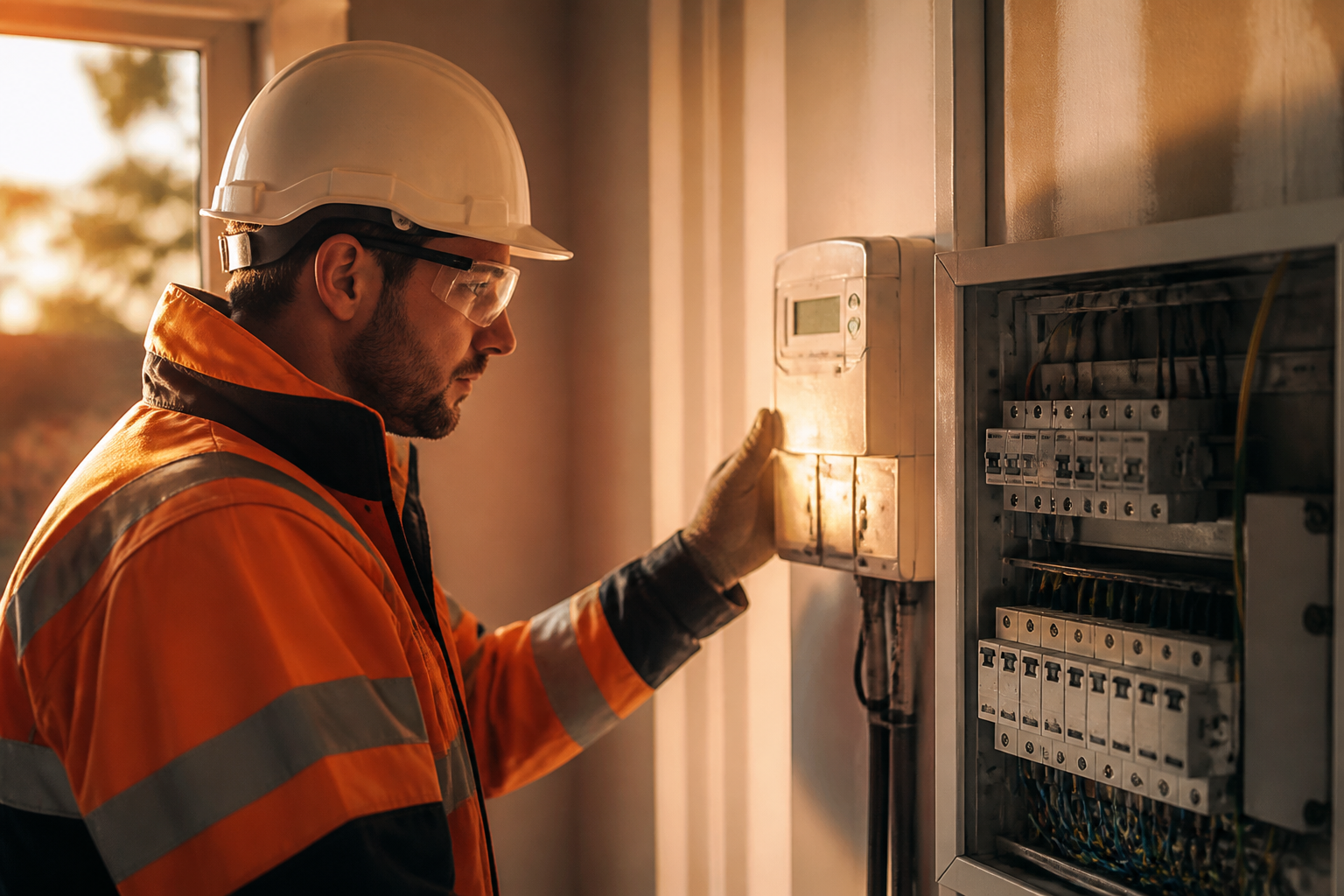
The summit highlighted several specific technical requirements necessary to connect domestic energy assets to low-carbon grids safely and efficiently. The table below outlines key grid areas discussed at the event and their operational requirements for home systems.
| Focus Area | Technical Requirement | Operational Impact on Homes |
|---|---|---|
| Demand Response | Automated dynamic load management | Allows heat pumps and EV chargers to shift usage to off-peak hours |
| Voltage Control | Smart inverter reactive power support | Prevents local voltage spikes when domestic solar PV exports power |
| Storage Integration | Interoperable battery control interfaces | Enables localized battery storage to feed energy during peak network demand |
| Network Visibility | Smart meter telemetry and monitoring | Gives distribution network operators real-time data on suburban transformer loads |
These priorities align with ongoing UK network developments, where Distribution Network Operators (DNOs) are upgrading local sub-stations under G98 and G99 connection frameworks managed by the Energy Networks Association.
What this means for your home
For households in England, Scotland, and Wales, the global focus on smart grid interoperability signals a continued shift toward flexible, low-carbon home systems. As network operators implement smarter management systems, property owners who install solar PV, home batteries, and heat pumps stand to benefit from more dynamic energy management.
Key takeaways for UK residents include:
- Heat pump performance relies heavily on proper sizing and controls, such as weather compensation, to operate efficiently within smart tariff structures.
- Home battery storage systems installed to MCS standards allow households to capture self-generated solar electricity or charge from low-cost grid electricity for evening use.
- Plug-in solar systems and rooftop PV installations must strictly comply with G98 notification rules to ensure safe interaction with local electricity sub-stations.
- Property insulation remains the foundational first step, as lower heat loss reduces the required heat pump capacity (kW) and total annual electricity consumption (kWh).
Homeowners planning upgrades should ensure all equipment is installed by certified contractors adhering to TrustMark and MCS codes of practice to maintain compliance with evolving grid standards.
What this means for employers
As international climate policy drives grid modernisation, UK households face changing energy landscapes and variable retail pricing. For HR and benefits leaders, rising interest in domestic energy resilience directly impacts employee well-being and home working costs.
Employers seeking to offer practical support can direct staff toward accredited home technology schemes. The Net Zero Home Scheme provides a factual, non-solicitation route for staff to access member pricing on accredited solar, heat pump, battery storage, and plug-in solar installations, with no cost or salary sacrifice required from the business.
By offering clear information on certified low-carbon installations, organisations can help employees navigate home energy upgrades with confidence while supporting wider corporate sustainability objectives.
Frequently asked questions
How do smart grid changes affect home solar installations?
Smart grid upgrades help local network operators process exported solar power more efficiently. In the UK, solar systems under 3.68 kW per phase fall under G98 rules, requiring simple notification to the local Distribution Network Operator after installation.
Do heat pumps require special grid approval?
Most domestic heat pumps fall within standard electrical supply limits. However, installers must check the main fuse capacity and notify the network operator, particularly when combining heat pumps with fast EV chargers or large battery systems.
What standards should UK homeowners look for when upgrading?
Homeowners should select products and installers accredited under the Microgeneration Certification Scheme (MCS), TrustMark, and relevant electrical safety standards such as BS 7671. This ensures equipment is safe, compliant, and eligible for standard export tariffs.