Green Skills Gap Doubles Relative to Supply, LinkedIn Reports
A report published by edie on 23 October 2026 shows green skills demand growing twice as fast as worker supply, widening installation lead times for home energy technology.
- Written by
- Net Zero Home Scheme editorial team
- Last updated
- Topic
- energy efficiency, policy, employee benefits
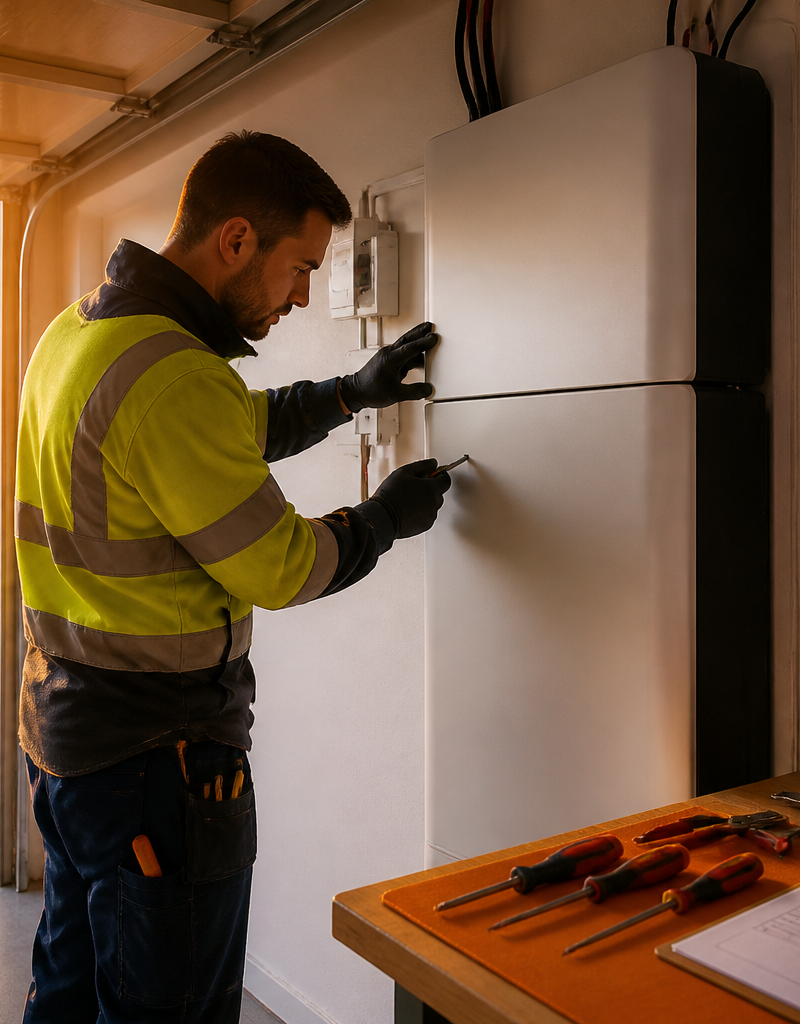
Inside a facility management office in Birmingham, an operations manager reviews a growing backlog of workplace EV charger maintenance requests while local contractors quote eight-week waiting times for heat pump installations. On 23 October 2026, edie reported that global demand for green skills is growing twice as fast as workforce supply, according to new data from LinkedIn. The expanding talent deficit threatens to bottleneck national infrastructure upgrades and lengthen installation timelines for domestic clean energy technology across the UK.
The findings published by edie on 23 October 2026 highlight a widening gap between employer demand for technical sustainability expertise and the available pool of qualified tradespeople. As energy policy drives rapid adoption of low-carbon heating, rooftop solar generation, and battery storage, the shortage of certified installers poses practical challenges for householders and workplace benefit managers attempting to navigate domestic decarbonisation in 2026.
1. Assessing Household Upgrade Priorities Amid Installer Lead Times
When planning domestic energy retrofits in 2026, understanding regional installer capacity is as critical as evaluating hardware specifications. A standard 4kWp to 6kWp solar PV array, paired with a 5kWh to 10kWh home battery storage system, typically requires coordination between qualified roofers and certified electricians. With green skills shortages constraining contractor availability, home energy projects face variable lead times depending on the technology specified.
Plug-in solar kits operating under G98 grid notification rules offer the fastest deployment route for basic daytime load offset, often taking just one to two weeks from delivery to operation. In contrast, whole-house air source heat pumps requiring comprehensive heat loss calculations and radiator upgrades currently experience wait times of six to twelve weeks. Householders should map out project milestones well in advance of winter heating seasons to avoid extended periods relying on peak grid tariffs.
2. Navigating Technical Standards and Selecting Accredited Contractors

The shortage of qualified labour increases the risk of unaccredited contractors operating in the domestic heating and electrical sectors. Ensuring your installation meets national regulatory frameworks is essential for grid compliance, home insurance coverage, and accessing government incentives such as the Boiler Upgrade Scheme.
Every installation must adhere to specific accreditation bodies and technical standards:
| Upgrade Stage | Typical Lead Time (2026) | Key Accreditation Standard | Expected System Scope |
|---|---|---|---|
| Solar PV Installation | 4 to 8 weeks | MCS, NICEIC, RECC | 4kWp to 6kWp rooftop array |
| Battery Storage Retrofit | 2 to 5 weeks | MCS, IET Code of Practice | 5kWh to 10kWh usable capacity |
| Air Source Heat Pump | 6 to 12 weeks | MCS, TrustMark, HIES | 5kW to 12kW unit with SCOP 3.5+ |
| Plug-In Solar Setup | 1 to 2 weeks | G98 / G99 Grid Notification | 800W microinverter kit |
Before signing contracts or paying upfront deposits, householders should verify that installers hold Microgeneration Certification Scheme (MCS) registration and belong to a consumer protection code such as the Renewable Energy Consumer Code (RECC) or the Home Insulation and Energy Systems Quality Assured Contractors Scheme (HIES). For electrical work, verification with NICEIC ensures compliance with Part P building regulations.
3. Recalculating Household Payback Periods for Solar and Heating Upgrades
Workforce constraints directly influence the economics of home clean energy systems. High contractor demand keeps labour costs firm, making total installed capital costs a primary factor in financial payback calculations. A well-designed solar PV and battery system delivering 4,000 kWh annually can cover 60% to 80% of a typical household's electrical load, but extended installation delays defer those bill savings.
For heat pumps, achieving a seasonal coefficient of performance (SCOP) above 3.5 is necessary to deliver lower running costs compared to a modern gas boiler. If labour shortages cause shortcuts in system sizing or pipework insulation, real-world efficiency drops, stretching payback periods. Householders should request detailed performance modelling showing projected generation in kWh, estimated self-consumption rates, and seasonal heating yields before committing capital.
4. Structuring Sustainable Energy Benefits for Workplace Teams
Employers aiming to support staff with rising domestic living costs face similar hurdles when recommending home energy solutions. While financial wellbeing initiatives increasingly focus on home energy efficiency, workforce shortages mean employees often struggle to find reliable, accredited tradespeople in their local area.
To ensure staff avoid unreliable contractors, the Net Zero Home Scheme matches employees directly with accredited installers for solar, battery storage, and heat pumps. The scheme is completely free for employers to introduce, requiring no salary sacrifice or payroll integration. By pre-vetting installation partners across England, Scotland, and Wales, it helps workers bypass long local queues while securing member pricing.
HR and reward leads should look for home energy benefits that provide clear technical guidance and accredited installer networks rather than simple signposting. Removing the administrative friction of vetting contractors allows staff to proceed with installations with confidence.
5. Answers to Common Questions on Trade Shortages and Retrofit Timing
How do current trade shortages impact solar and battery installation schedules?
Labour bottlenecks primarily affect the scheduling of certified electricians and MCS-accredited solar installers. While component supply chains for solar panels and lithium-iron-phosphate batteries have largely stabilised, lead times are dictated by contractor availability. Booking installations during off-peak spring or summer months can reduce wait times compared to autumn request surges.
Does installer accreditation protect households against long project delays?
Accreditation through MCS, TrustMark, or HIES ensures technical compliance, workmanship guarantees, and consumer protection, but it does not guarantee shorter lead times. However, using accredited installers prevents costly remedial work and ensures systems qualify for smart export tariffs and government grant funding.
What should employers verify when recommending home energy upgrades to staff?
Reward leaders should confirm that any partner benefit framework provides vetted, accredited installers covered by RECC or HIES codes of conduct. Employers should also verify that schemes offer transparent pricing structures and require no complex payroll modifications or employer contributions.