Government Outlines Local Energy and Smart Grid Strategy
Local Energy Minister Martin McCluskey set out plans on 8 September 2026 for local grid modernization and clean energy integration.
- Written by
- Net Zero Home Scheme editorial team
- Last updated
- Topic
- policy, energy efficiency, home energy
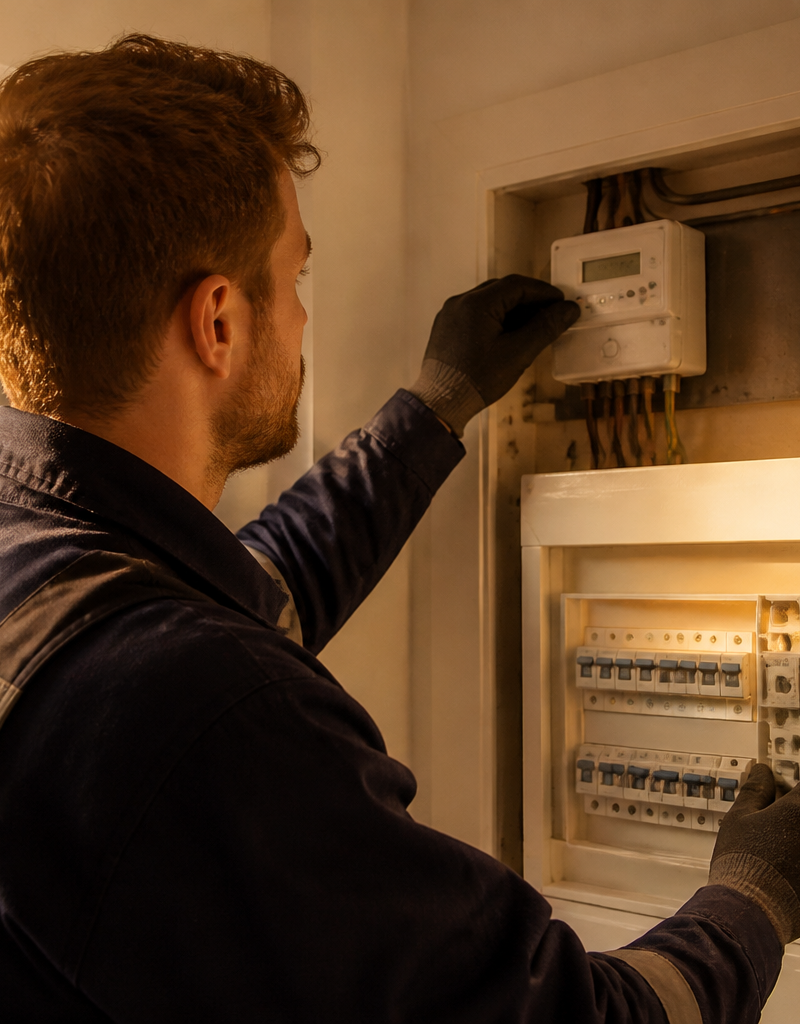
On 8 September 2026, the Department for Energy Security and Net Zero published an address by Minister for Local Energy and Jobs Martin McCluskey at the Google for Startups Accelerator: Europe event in London. The speech outlined government plans to accelerate local energy deployment, modernise distribution network infrastructure, and digitalise grid management across Great Britain.
Minister McCluskey highlighted that scaling up domestic clean technology, including rooftop solar PV, residential battery storage, and heat pumps, requires significant upgrades to local electrical networks. The strategy focuses on removing grid connection bottlenecks, expanding regional energy projects, and utilizing data tools to balance supply and demand at a community level.
What the government strategy specifies
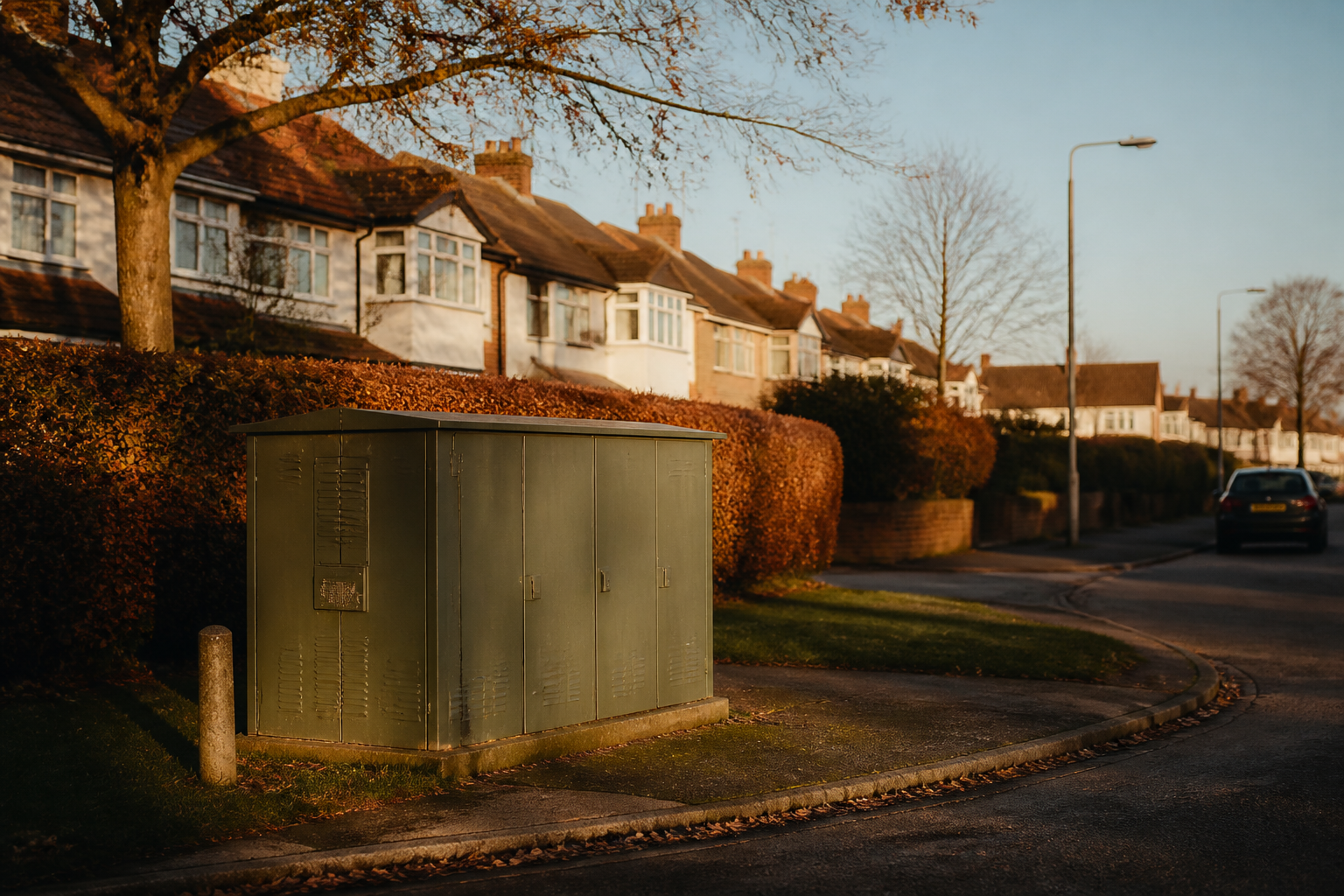
The Minister's statement set out three main policy priorities for local energy networks. First, the government is working with distribution network operators (DNOs) to streamline connection applications for domestic renewables and low-carbon heating. Current delays in regional grid upgrades have created queues for both community energy schemes and larger residential installations. The new framework aims to standardize network capacity assessments and reduce administrative processing times for homeowners and installers.
Second, the policy emphasizes smart grid flexibility. By digitalizing energy data, distribution networks can better manage peak loads from electric vehicle charging and heat pump operation without requiring expensive physical reinforcement of sub-stations in every street. This approach supports dynamic, half-hourly tariffs that reward households for shifting electricity consumption away from peak evening hours.
Third, the statement reinforced support for municipal and community energy initiatives. Local authorities across England, Scotland, and Wales will receive expanded guidance to develop district energy networks and local solar schemes, linking municipal buildings with residential energy projects.
What the numbers say
Official figures published by GOV.UK on 8 September 2026 detail the scale of regional grid modernization efforts and clean energy transition targets:
- The speech on 8 September 2026 confirmed government commitments to clean power targets, targeting total power sector decarbonization by 2030.
- Industry projections cited in the announcement indicate that peak electricity demand across local networks could increase by up to 50 percent over the next decade as heating and transport electrify.
- According to Ofgem monitoring data from mid-2026, over 80 percent of domestic solar installations now include integrated home battery storage, placing higher demand on bi-directional grid export management.
- National Grid Electricity System Operator statistics for 2026 show that demand-side flexibility, where homes adjust consumption based on grid signals, saved regional network operators an estimated £120 million in constraint costs during winter peak periods.
| Grid Policy Area | Current Standard | Proposed Reform | Targeted Effect on Households |
|---|---|---|---|
| DNO Export Connections | Manual G99 review for systems over 3.68 kW per phase | Streamlined digital registration process | Faster approval for larger domestic solar and battery arrays |
| Local Energy Planning | Fragmented local council strategies | Standardized Area Energy Plans | Clearer local guidance for district heating and solar networks |
| Smart Grid Data | Batch processing of network capacity | Real-time monitoring by distribution operators | Lower network reinforcement fees and better dynamic tariff availability |
| Flexible Demand | Voluntary supplier smart tariffs | Integrated local network flexibility markets | Greater financial rewards for automated off-peak charging and heating |
Practical consequences for installation standards and installers
For microgeneration installers registered with the Microgeneration Certification Scheme (MCS), the focus on local grid digitalization changes how systems are specified and notified. Installers currently follow Engineering Recommendation G98 for small systems up to 16 amps per phase (3.68 kW), or G99 for larger systems that require prior DNO permission.
The proposed streamlining of DNO procedures will reduce waiting times for G99 approvals, allowing households to install larger solar PV arrays and high-capacity home batteries without multi-month delays. However, installers will need to ensure that dynamic export controls and smart isolation switches comply with updated BS 7671 wiring regulations and distribution code requirements.
Additionally, installers working on heat pump upgrades must ensure that electrical supply assessments account for local network constraints. Where main incoming fuse upgrades are necessary, distribution operators are being pressed to execute fuse replacements within standard ten-working-day windows rather than extended timescales.
What this means for your home
If you are planning to install rooftop solar panels, a home storage battery, or a heat pump, the government's local energy focus directly affects your project timelines and operating costs.
First, faster DNO connection approvals mean less friction when specifying systems larger than 3.68 kW. If your roof accommodates an 8 kW solar array paired with a 10 kWh battery, reduced administrative delays will help you get the system commissioned without waiting months for grid clearance.
Second, the push toward smart network management reinforces the financial value of smart tariffs. To maximize savings from a heat pump or home battery, matching your equipment with half-hourly export and import tariffs remains essential. A battery charged on cheap overnight power can run your household through morning and evening peak hours, reducing reliance on expensive grid electricity.
Third, households in areas designated for local heat networks should verify local council planning maps before replacing heating systems. In urban zones prioritized for district heat networks, connection rules and grant eligibility may differ from rural off-gas property requirements.
What this means for employers
With domestic energy costs remaining high and grid updates influencing home upgrade decisions, employees are increasingly looking for straightforward routes to reduce household utility expenditure.
HR and reward leaders can support staff sustainability efforts by providing verified information on domestic clean energy technologies. Offering access to employee benefits that simplify home retrofits helps staff navigate technical choices around solar PV, battery storage, and low-carbon heating.
Employers can offer access to discounted home energy technology through the Net Zero Home Scheme, which provides member pricing on accredited solar, battery storage, heat pump, and plug-in solar installations across England, Scotland, and Wales at no cost to the employer and with no payroll deduction.
Frequently asked questions
What did the local energy minister announce on 8 September 2026?
Minister Martin McCluskey set out plans to digitalize local distribution grids, shorten DNO connection queues for home renewables, and support local authority clean energy planning across Great Britain.
How do local grid rules affect domestic solar and battery installations?
Systems generating over 3.68 kW per phase require DNO approval under G99 rules. Proposed reforms aim to digitize and speed up these approvals, allowing homeowners to install larger systems with fewer delays.
Will these energy grid reforms lower household electricity bills immediately?
Grid modernization is an infrastructure program that reduces network operating costs over time. Immediate bill savings still depend on installing efficient hardware and switching to smart, flexible electricity tariffs.