G7 Agrees Emergency Oil Release to Stabilise Energy Markets
G7 nations authorise a coordinated release of strategic oil reserves to curb rising fuel prices and restore stability to global energy markets.
- Written by
- Net Zero Home Scheme editorial team
- Last updated
- Topic
- energy bills, policy, tariffs
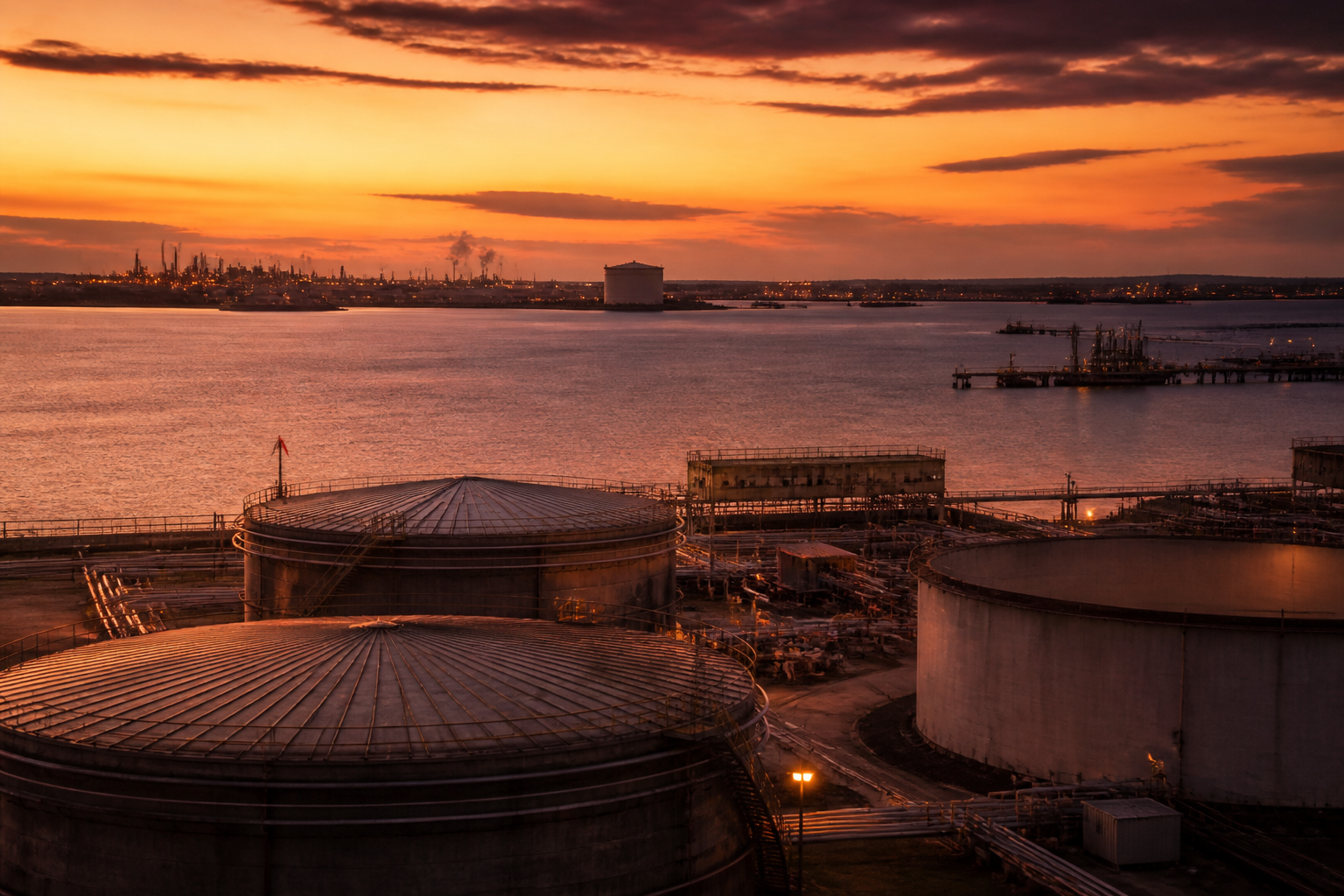
G7 nations have agreed to release millions of barrels of strategic oil reserves to head off further price spikes in global energy markets, BBC News reported on 3 October 2026. The coordinated intervention follows a joint statement issued by G7 leaders published on 2 October 2026 by GOV.UK, committing member states to act collectively to preserve energy market stability and prevent supply disruptions from destabilising national economies.
The decision comes as rising crude oil prices push transportation and fuel costs higher across member nations. In the UK, average diesel pump prices reached an all-time high of 200.01p per litre, according to RAC motoring figures reported by BBC News on 2 October 2026. Global leaders ordered the coordinated drawdown of emergency crude oil and diesel stocks to bolster global supply, mitigate export restrictions, and ease cost pressures on households and businesses heading into the winter period.
Why G7 leaders ordered the strategic reserve release
International energy markets have experienced heightened volatility in recent weeks due to geopolitical friction and export restrictions. The joint statement published on GOV.UK on 2 October 2026 emphasises that G7 member states will use all available market levers, including coordinated release from national strategic petroleum reserves, to maintain global liquidity and protect consumers from sudden price shocks.
Strategic petroleum reserves are stockpiles maintained by industrialised nations to offset major supply disruptions. By releasing crude oil and refined diesel into global trading channels simultaneously, G7 governments aim to lower wholesale crude prices, stabilise refined fuel output, and prevent secondary price increases across linked commodity markets such as natural gas and wholesale power.
While the primary focus of the G7 announcement is liquid transport fuel, international oil price volatility historically ripples through broader UK energy markets. Wholesale electricity and gas prices often track broader commodity market sentiment, influencing the tariffs offered to domestic consumers and commercial operations.
What the numbers say
Official figures released by industry bodies and government updates outline the scale of recent price shifts and market interventions.
| Indicator | Reported Value | Source & Date |
|---|---|---|
| UK Average Diesel Pump Price | 200.01p per litre | RAC via BBC News, 2 Oct 2026 |
| Action Taken | Coordinated release of emergency reserves | BBC News, 3 Oct 2026 |
| Policy Commitment | Joint statement on energy market stability | GOV.UK, 2 Oct 2026 |
Where reporting remains unconfirmed, such as the exact volume breakdown contributed by each individual G7 member state or the precise release schedule over coming weeks, market analysts urge caution. The long-term impact on pump prices and energy bills depends on whether global production levels match baseline demand once strategic releases conclude.
How international fuel volatility feeds into UK home energy
Although crude oil and diesel are primarily transport fuels, global energy markets are deeply interconnected. When liquid fuel prices spike, industrial demand often shifts toward natural gas as an alternative fuel source for power generation and manufacturing, driving up wholesale gas contracts.
In Great Britain, natural gas remains the marginal price-setting generation source for the electricity grid during peak periods. As a result, sustained increases in international fossil fuel prices tend to keep UK wholesale electricity prices elevated. This mechanism direct impacts standard variable tariffs regulated by Ofgem, as well as fixed-term tariffs offered by energy suppliers.
For households considering clean energy upgrades, global market instability underscores the operational trade-offs between grid dependence and self-generation. Installing home generation technologies, such as solar PV or heat pumps, shifts household expenditure from ongoing variable energy purchases to fixed capital assets, reducing long-term exposure to wholesale market shocks.
What this means for your home
Global energy market interventions do not guarantee immediate reductions in domestic utility tariffs, but they highlight key considerations for home energy planning this year:
- Track fixed and variable tariffs carefully. Wholesale energy prices take time to filter into consumer tariffs. If you are on an Ofgem price-capped tariff, monitor official announcements regarding future quarterly cap revisions before locking into fixed contracts.
- Review self-generation payback calculations. Higher underlying grid electricity prices improve the financial return on domestic solar PV and battery storage systems. A standard 4 kWp solar system generating around 3,400 kWh annually saves more money when offset grid power is priced higher.
- Plan heat pump installations with efficiency in mind. Air source heat pumps relying on electricity deliver seasonal coefficient of performance (SCOP) ratios between 3.0 and 4.0. Ensuring proper system design under Microgeneration Certification Scheme (MCS) standards maximizes running cost savings over legacy gas or oil boilers.
- Evaluate home insulation first. Lowering baseline space heating demand reduces total kilowatt-hour consumption regardless of future tariff fluctuations.
What this means for employers
Rising living costs and volatile fuel prices continue to place financial pressure on employees, increasing demand for practical, value-adding workplace benefits that address household overheads.
HR and reward leaders looking to support staff sustainability without adding company overhead can introduce accredited home energy solutions. Through the Net Zero Home Scheme, employees gain access to member pricing on solar panels, heat pumps, battery storage, and plug-in solar systems installed by accredited contractors across England, Scotland, and Wales, delivered at no cost to the employer and involving no salary sacrifice or payroll deductions.
Providing clear pathways for staff to upgrade their homes helps employees insulate themselves against external market volatility while supporting corporate sustainability and Scope 3 emissions reduction goals.
Frequently asked questions
Will the G7 oil release immediately cut UK domestic electricity tariffs?
No, strategic oil releases primarily target liquid transportation fuels like crude oil and diesel. While lower crude prices can ease broader market pressures, UK domestic electricity tariffs depend mainly on wholesale natural gas contracts, carbon pricing, and network management costs under Ofgem regulations.
How does global oil price volatility affect heat pump operating costs?
Heat pumps run on electricity rather than oil or gas. However, because gas-fired power stations frequently set wholesale electricity prices in the UK grid, sustained global energy inflation can influence the price per kilowatt-hour of home electricity. High system efficiency (SCOP) remains the most effective defense against variable electricity rates.
Is now a good time to install home solar and battery storage?
Installing solar PV and battery storage reduces the volume of electricity imported from the grid, protecting households against future price volatility. Financial payback depends on system size, roof orientation, household consumption patterns, and export rates offered under the Smart Export Guarantee (SEG).