Understanding PAS 2035 Standards for UK Home Energy Retrofits
A clear guide to PAS 2035 home energy standards, explaining risk paths, Retrofit Coordinator roles, and ventilation rules for UK retrofits.
- Written by
- Net Zero Home Scheme editorial team
- Last updated
- Topic
- energy efficiency, insulation, regulation
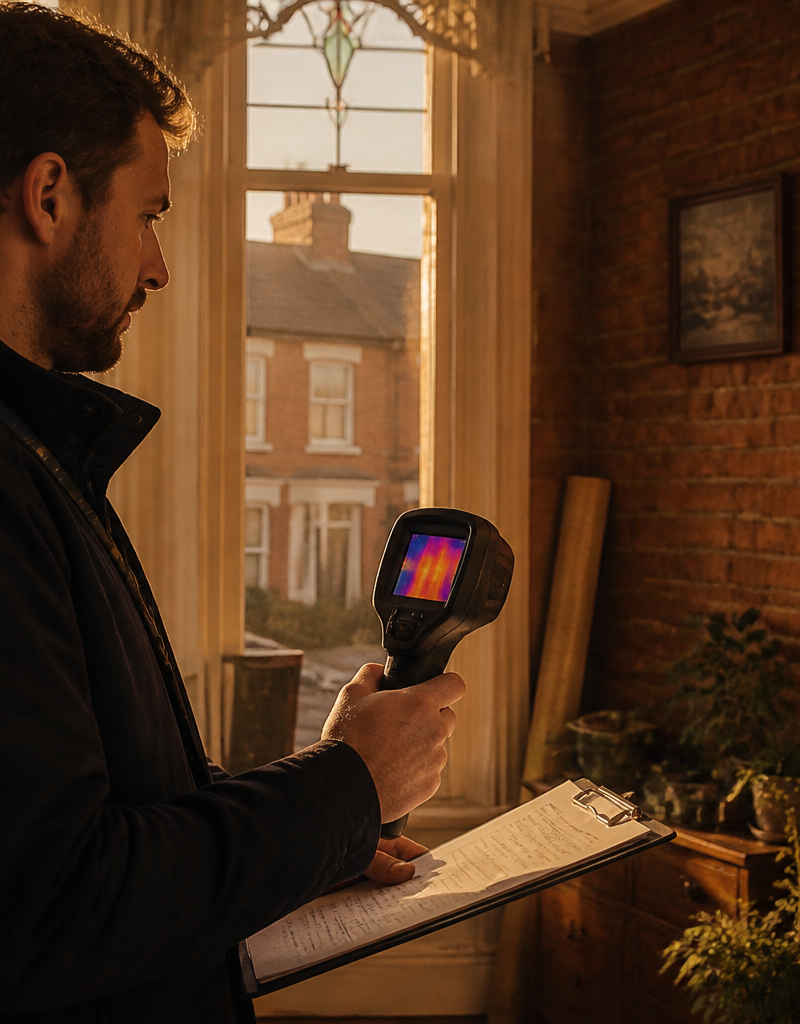
Upgrading the energy performance of a British home requires careful consideration of building physics. When insulation, air tightness, or low-carbon heating are installed without evaluating how the building functions as a complete system, unintended outcomes such as condensation, damp, and reduced indoor air quality can occur. To eliminate these failure modes, the British Standards Institution (BSI) published PAS 2035: Retrofitting Dwellings for Improved Energy Efficiency. Sponsored by the Department for Energy Security and Net Zero (DESNZ), PAS 2035 establishes a mandatory framework for specification, design, and installation across energy retrofit projects in Great Britain.
Whether you are planning a single measure such as loft insulation or undertaking a deep retrofit combining wall insulation, heat pumps, and solar generation, understanding how PAS 2035 operates helps you protect your building fabric and ensure long-term energy savings.
What is PAS 2035 and why was it created?
PAS 2035 was introduced following the Each Home Counts review, an independent report commissioned by the UK government to evaluate failures in historic energy efficiency schemes. Previous installation programmes had occasionally resulted in severe moisture defects, interstitial condensation, and poor ventilation due to uncoordinated, piecemeal installations.
PAS 2035 replaces the legacy approach with a structured, whole-house methodology. Instead of treating energy efficiency measures as isolated purchases, it mandates that every home is assessed as an integrated system. The standard enforces a fabric-first principle, which prioritises reducing thermal heat loss through the building envelope before sizing low-carbon heating systems or renewable generation assets.
Under current regulations, compliance with PAS 2035 is required for all publicly funded retrofit programmes, including the Energy Company Obligation (ECO4), the Home Upgrade Grant (HUG), and the Social Housing Decarbonisation Fund (SHDF). It is also the underlying quality standard monitored by TrustMark, the government-endorsed quality scheme for work carried out on residential properties.
The core roles defined by PAS 2035
To ensure accountability at every stage of an energy efficiency upgrade, PAS 2035 defines five distinct professional roles. On smaller private projects, a single qualified professional may hold multiple roles, provided there is no conflict of interest.
- Retrofit Advisor: Provides preliminary, neutral advice to householders regarding energy efficiency choices and potential funding pathways.
- Retrofit Assessor: Visits the property to collect physical data, including an Energy Performance Certificate (EPC) baseline, a detailed structural condition survey, an occupancy assessment, and a ventilation assessment.
- Retrofit Coordinator: Acts as the primary risk manager and project supervisor. The Coordinator reviews the Assessor's data, determines the project risk path, approves the design, oversees installation quality, and signs off the final compliance documentation with TrustMark.
- Retrofit Designer: Prepares detailed technical specifications, thermal bridging calculations, and moisture risk evaluations tailored to the property's construction type.
- Retrofit Installer: Executes the physical installation according to the technical design. Installers must be certified to PAS 2030, which is the complementary installation standard to PAS 2035.
Understanding PAS 2035 risk paths
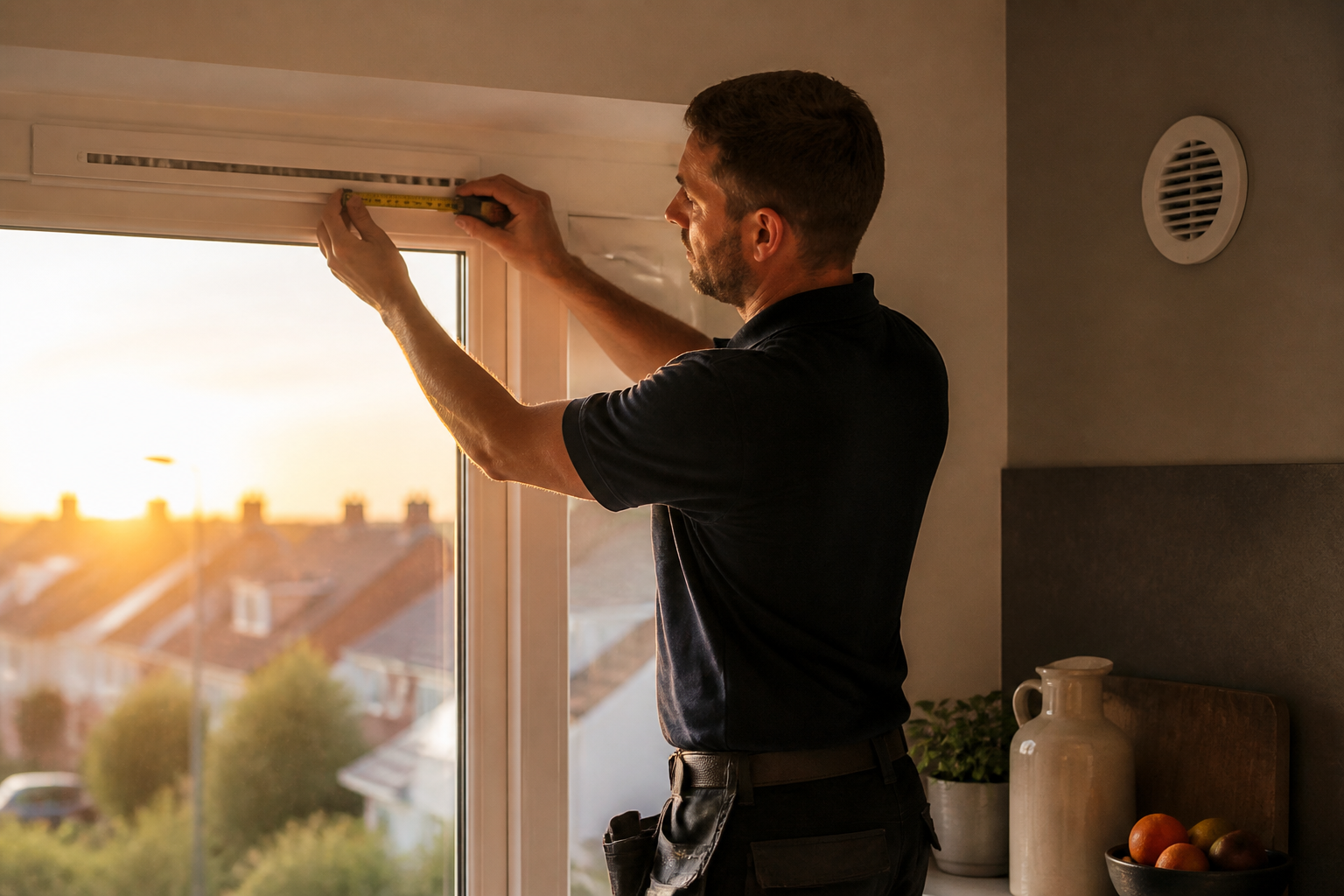
Not every home energy project carries the same degree of technical complexity. To apply proportional oversight, PAS 2035 categorises retrofits into three risk paths: Path A, Path B, and Path C. The risk level depends on the property type, the age of the structure, and the specific measures being installed.
| Risk Path | Risk Level | Typical Measures Included | Primary Technical Requirements |
|---|---|---|---|
| Path A | Low Risk | Simple loft insulation, draught proofing, top-up floor insulation | Basic survey, standard design pattern, basic ventilation check |
| Path B | Medium Risk | Cavity wall insulation, flat roof insulation, solar PV systems | Detailed condition survey, bespoke design, space heating calculation |
| Path C | High Risk | Internal wall insulation, external wall insulation, heat pumps, complex multi-measure retrofits | Full dynamic moisture simulation, dynamic thermal modelling, chartered engineer design sign-off |
When multiple measures are installed together, the overall project is automatically categorized under the highest risk path of any single measure. For example, adding solar panels (Path B) alongside internal wall insulation (Path C) elevates the entire project to Path C compliance rules.
The fabric-first approach and ventilation rules
A fundamental requirement within PAS 2035 is the strict evaluation of ventilation. Increasing air tightness without upgrading ventilation leads to trapped humidity, causing indoor mould growth and poor air quality.
Under PAS 2035, every retrofit assessment includes a mandatory check against Approved Document F of the Building Regulations. If an energy efficiency measure reduces the natural background ventilation rate of the home, the project must incorporate compensatory ventilation upgrades.
In practice, this means installing background trickle ventilators in windows, fitting continuous mechanical extract ventilation (dMEV) units in wet rooms like kitchens and bathrooms, or retrofitting Whole House Mechanical Ventilation with Heat Recovery (MVHR). Installers cannot sign off on insulation upgrades under TrustMark rules without demonstrating that ventilation capacity meets the calculated requirement for the property.
Quality control and post-installation evaluation
PAS 2035 requires mandatory post-completion monitoring to verify that energy measures perform as designed. The Retrofit Coordinator must collect feedback from the householder after installation and inspect the finished work.
For higher-risk Path C projects, evaluation includes testing energy consumption figures against baseline projections, carrying out thermographic imaging surveys to check for insulation gaps, and verifying air permeability via pressure testing. If defects or underperformance are identified, the Coordinator is obligated to initiate corrective action plans before closing the project file within the TrustMark Data Warehouse.
What this means for you
If you are planning home energy improvements, understanding PAS 2035 helps you avoid costly installation mistakes and protect your home's structural health. Even when paying for installations privately, insisting on TrustMark-registered installers who adhere to PAS 2035 ensures your project receives qualified design and oversight.
Key steps to take when planning home upgrades include:
- Requesting a whole-house assessment before agreeing to single, high-cost insulation or heating installations.
- Verifying that your chosen installer is registered with TrustMark and certified under PAS 2030.
- Ensuring that ventilation improvements are included in your quote whenever draught proofing or insulation measures are added.
- Retaining all handover documentation, including the Retrofit Coordinator's sign-off certificate and guarantee details, which are logged in the TrustMark database.
For UK employees exploring clean energy upgrades, the Net Zero Home Scheme offers access to accredited installers working across England, Scotland, and Wales, giving peace of mind that system installations meet robust industry standards.
Frequently asked questions
Is PAS 2035 mandatory for all private home installations?
PAS 2035 is legally required for all government-funded schemes such as ECO4 and the Home Upgrade Grant. While private self-funded installations do not legally require PAS 2035 compliance, choosing TrustMark-accredited installers who work to PAS 2035 guarantees higher quality control and moisture management.
How does PAS 2030 differ from PAS 2035?
PAS 2035 sets the overarching framework, assessment, design, and risk management process for retrofitting a dwelling. PAS 2030 is the specific installation standard that contractors must meet when physically fitting energy efficiency measures on site.
Why does PAS 2035 require ventilation upgrades when insulating?
Adding insulation and draught proofing seals air gaps, reducing heat loss but also restricting natural air exchange. Without adequate ventilation upgrades such as trickle vents or mechanical extract fans, moisture generated from daily activities builds up, creating conditions for surface mould and interstitial condensation within walls.
Sources
- PAS 2035: Retrofitting dwellings for improved energy efficiency, British Standards Institution
- TrustMark Framework and Standards, TrustMark
- Each Home Counts Review, Department for Energy Security and Net Zero