Unions and Employers Demand Electricity Levy Overhaul
More than 120 organisations have written to Chancellor John Healey calling for electricity levies to be moved off household bills and into general taxation.
- Written by
- Net Zero Home Scheme editorial team
- Last updated
- Topic
- energy bills, policy, tariffs
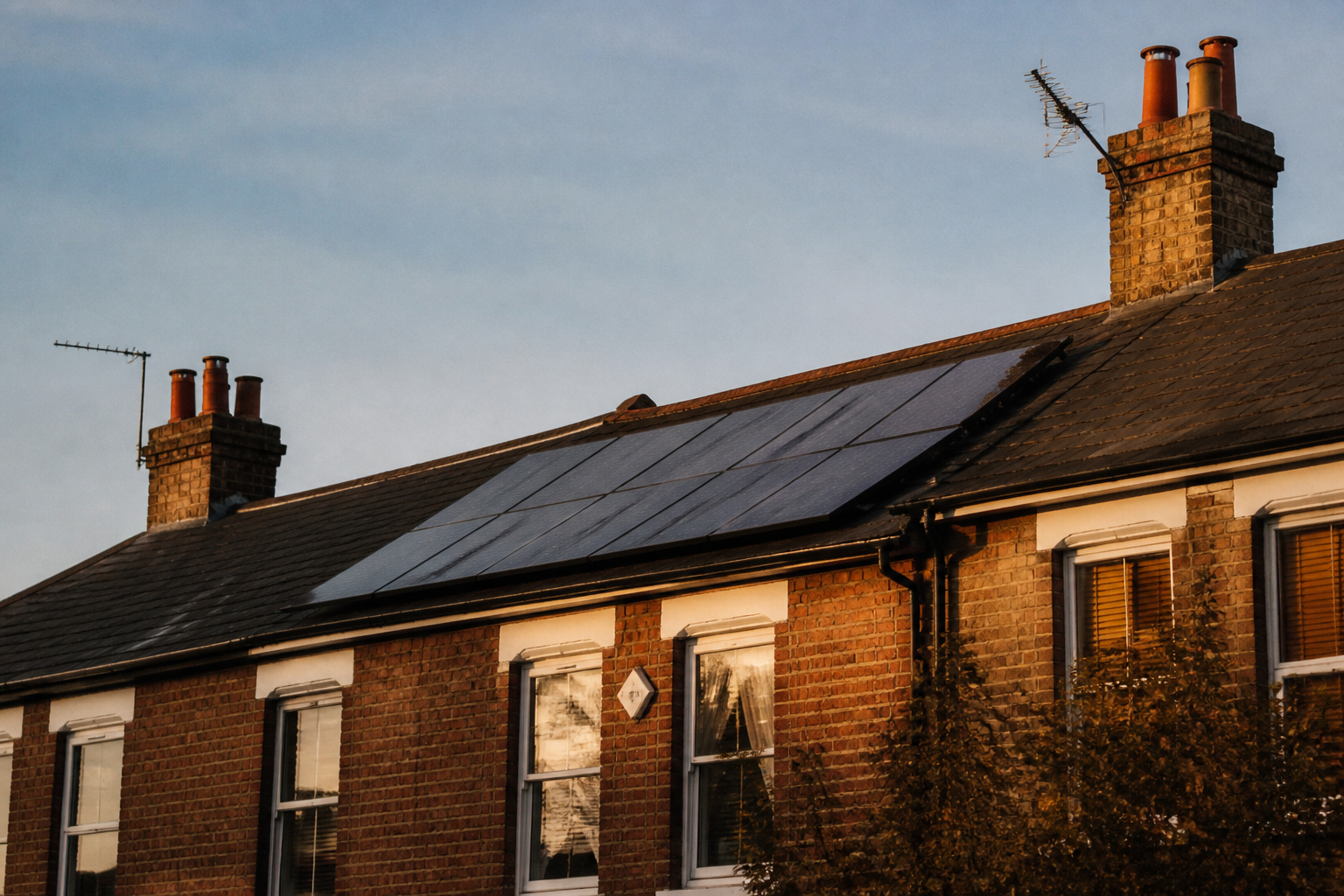
Over 120 trade unions, business associations, charities, and environmental campaign groups submitted a joint letter to Chancellor John Healey on 14 September 2026 demanding an immediate overhaul of UK electricity levies. As reported by edie on 14 September 2026, the coalition includes Energy UK, Which?, and Greenpeace, all calling on the Treasury to shift policy costs off electricity bills and into general taxation.
Under current British billing rules, environmental and social policy obligations are heavily weighted onto electricity tariffs rather than mains gas or general taxation. This policy design artificially inflates the cost of clean power, adding financial pressure to households already dealing with elevated living expenses and slowing the adoption of low-carbon home heating and transport.
Background to the electricity levy dispute
Policy levies on UK energy bills fund legacy obligations such as the Renewables Obligation, Feed-in Tariffs, and the Warm Home Discount. Historically, ministers placed the majority of these levies on electricity accounts. This has created a significant price distortion across Great Britain.
Electricity unit rates under the Ofgem energy price cap currently sit at approximately four times the cost of mains gas per kilowatt-hour (kWh). Because policy charges account for a substantial portion of standard electricity unit rates, households that switch from gas boilers to heat pumps or adopt electric vehicles face higher running costs than a balanced market would dictate. Employer groups and trade unions argue that this setup penalises workers who invest in green home technologies while adding unnecessary costs to standard home electricity use.
What the numbers say
The joint coalition letter highlights how structural bill charges directly affect household finances and clean energy payback periods across England, Scotland, and Wales.
| Metric or Policy Factor | Figures Reported | Source and Date |
|---|---|---|
| Coalition Signatories | Over 120 unions, businesses, and charities | edie (14 September 2026) |
| Recipient of Call | Chancellor of the Exchequer John Healey | edie (14 September 2026) |
| Proposed Policy Action | Move legacy levies to general taxation | edie (14 September 2026) |
| Current Electricity vs Gas Ratio | ~4:1 unit rate imbalance per kWh | Ofgem Price Cap Data (2026) |
| Estimated Levy Burden on Electricity | ~85% of social and environmental levies | Energy UK Policy Analysis (2026) |
The Treasury has acknowledged ongoing reviews of energy billing policy, but campaign groups note that previous promises to rebalance gas and electricity charges have suffered repeated delays across successive fiscal statements. The coalition argues that taking these costs off electricity tariffs would immediately lower energy bills for every household in Britain while encouraging domestic decarbonisation.
Impact on clean technology adoption
For households considering heat pumps or solar energy, high electricity tariffs directly alter installation economics. A modern air source heat pump operating at a Seasonal Coefficient of Performance (SCOP) of 3.5 delivers 3.5 kWh of heat for every 1 kWh of electricity consumed. When electricity is priced four times higher than gas per kWh, the operational cost savings of a heat pump over a modern condensing gas boiler remain marginal, despite the heat pump being three to four times more energy efficient.
Lowering electricity unit rates by removing legacy levies would widen the operational running cost gap in favour of heat pumps. Similarly, lowering grid electricity prices reduces the baseline grid costs for home battery storage charging and electric vehicle smart charging, making household energy planning far more predictable.
What this means for your home
If you are evaluating home energy upgrades, policy discussions around levy reform change the financial calculation in several practical ways:
- Track official fiscal announcements for confirmed dates on levy rebalancing, as any reduction in electricity unit rates will lower baseline running costs for heat pumps and home appliances.
- Sizing a solar PV array with Microgeneration Certification Scheme (MCS) accreditation remains an effective way to protect your household from high unit rates today by generating your own zero-carbon power.
- Pairing solar panels with a home battery allows you to store excess daylight generation and draw from low-cost off-peak tariffs when available, bypassing daytime grid charges.
- Ensure any heat pump installation is designed by a qualified installer to achieve an SCOP of 3.5 or higher, ensuring lower running costs regardless of tariff changes.
What this means for employers
For HR, reward, and sustainability leads, household energy costs remain a primary driver of financial stress among employees. While fiscal reform lies in the hands of the Treasury, employers face immediate demands for practical wellbeing support that helps staff manage baseline home operational costs.
Rising interest in self-generation and home efficiency has led more reward teams to consider workplace home energy benefits. The Net Zero Home Scheme gives employees access to member pricing on MCS-accredited solar, heat pumps, battery storage, and plug-in solar systems with zero cost to the employer, no salary sacrifice, and no complex payroll deduction.
Providing practical pathways for staff to generate their own power or upgrade home heating offers a permanent structural hedge against fluctuating electricity rates, supporting long-term employee financial resilience regardless of policy timing.
Frequently asked questions
What are electricity policy levies?
Policy levies are mandatory charges added to domestic energy bills to fund government initiatives, such as renewable energy subsidies and social fuel poverty schemes. Most of these charges are currently applied to electricity rather than gas bills.
How would removing levies affect domestic electricity unit rates?
Shifting policy levies into general taxation would directly lower the unit rate of electricity per kWh for all residential households, narrowing the price gap between electricity and mains gas.
Should I wait for levy reform before installing a heat pump or solar?
No. MCS-accredited solar PV and battery storage systems provide immediate savings by reducing reliance on grid electricity today, while government funding like the Boiler Upgrade Scheme provides upfront capital support for heat pump installations.