Treasury Outlines £100 Energy Bill Support in Autumn Budget 2026
Chancellor John Healey announced a £100 household energy bill credit alongside standing charge reforms in the Autumn Budget 2026.
- Written by
- Net Zero Home Scheme editorial team
- Last updated
- Topic
- energy bills, policy, home energy

On 28 October 2026, BBC News reported that Chancellor John Healey announced a £100 one-off payment for UK household energy bills in his Autumn Budget, alongside measures aimed at reforming domestic standing charges. As outlined in our full Budget 2026 guide, this immediate intervention seeks to buffer families against ongoing wholesale market volatility across England, Scotland and Wales.
Follow-up analysis published by The Guardian on 29 October 2026 highlighted that the government energy package also introduces low-carbon upgrade loans and plans to shift renewable funding mechanisms away from direct bill surcharges. While the direct £100 credit offers temporary relief on winter utility statements, HR teams and financial reward leads must evaluate how these national policies influence long-term staff financial wellbeing and home energy choices.
Breakdown of the Budget 2026 Energy Relief Package
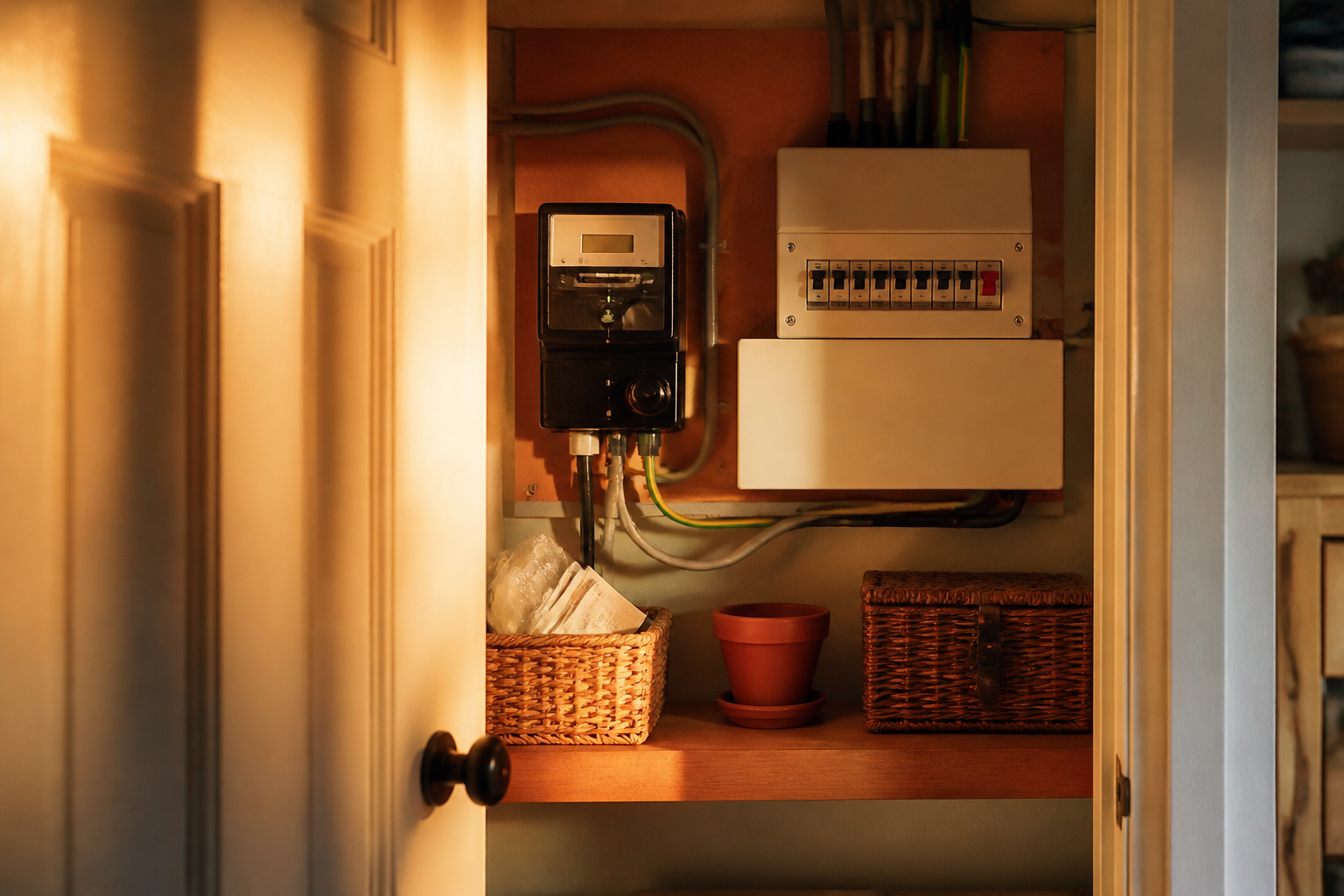
The Autumn Budget introduced immediate cash support alongside broader structural proposals for domestic energy tariffs. According to GOV.UK guidance published on 28 October 2026, the central element of the package is a £100 standard credit applied directly to household electricity accounts to mitigate high winter utility expenses.
The Office for Budget Responsibility, in data covered by BBC News on 28 October 2026, noted that elevated energy prices continue to weigh on real household incomes and wider economic expansion. To address persistent baseline costs, Treasury figures cited by The Guardian on 29 October 2026 indicate a commitment to phase down electricity standing charges by redistributing policy levies into general taxation.
While these measures provide immediate liquidity to households, the structural changes remain subject to consultation and implementation timelines. The government has signaled that low-carbon upgrade loans will become available to assist homeowners with capital expenditure, though detailed lending terms and interest thresholds have not yet been fully published.
Key Energy Support Announcements from Budget 2026
| Budget Measure | Coverage Details | Practical Household Impact | HR Strategy Relevance |
|---|---|---|---|
| £100 Bill Payment | One-off account credit in late 2026 (BBC News, 28 Oct 2026) | Immediate short-term bill reduction for all domestic meters | Complements emergency financial wellbeing support |
| Standing Charge Reform | Proposals to cut fixed daily charges (The Guardian, 29 Oct 2026) | Reduces fixed costs regardless of energy consumption | Alters seasonal budgeting for remote and hybrid workers |
| Low-Carbon Loans | Government-backed financing framework (GOV.UK, 28 Oct 2026) | Helps fund capital expenditure for self-generation | Increases staff demand for accredited installation partners |
| OBR Economic Forecast | High energy prices driving living standards down (BBC News, 28 Oct 2026) | Highlights ongoing pressure on disposable income | Reinforces value of zero-cost employee benefit schemes |
Actions and Payback Timelines for UK Households
For householders, a £100 energy credit offers temporary breathing space, but it does not alter the fundamental economics of home generation. Generating your own electricity remains the most effective hedge against long-term price fluctuations. When you put solar panels and a battery on your roof, you insulate your household against grid price volatility and daily standing charges.
Payback periods for domestic solar arrays combined with home storage currently range between six and nine years, depending on your daylight yield, system capacity in kWp, and self-consumption patterns. While emergency bill credits reduce immediate utility pressure, self-generation savings of 800 kWh to 2,500 kWh per year yield compound returns that far exceed short-term government subsidies.
Households evaluating upgrades should audit their annual electricity consumption, review their existing roof space, and ensure installation proposals are certified by the Microgeneration Certification Scheme (MCS). Taking advantage of existing zero-rating VAT rules before statutory adjustments take effect ensures maximum capital efficiency.
Energy Policy Implications for HR and Benefit Leaders
From an HR perspective, national energy bill intervention underscores how central utility expenses have become to workforce wellbeing. When energy costs consume a growing share of net pay, employees look to workplace benefit packages for tangible relief.
Reward directors planning their 2027 benefit strategy can align voluntary perks with these policy changes. Offering clean energy perks provides long-term financial resilience without imposing administrative overhead or budget commitments on the employer.
Employers looking to support staff without increasing payroll expenditure can leverage external benefit frameworks. Through the Net Zero Home Scheme, employers can give staff access to up to 15% off solar panels and a battery on their roof installed by accredited engineers, completely free for the business with zero payroll deduction or salary sacrifice required. The scheme is delivered by the team behind The Electric Car Scheme and The Charge Scheme.