Storage Heaters vs Heat Pumps: UK Heating Replacement Guide
Compare high-heat retention storage heaters and air source heat pumps on upfront costs, running efficiency, grant funding and installation steps for UK homes.
- Written by
- Net Zero Home Scheme editorial team
- Last updated
- Topic
- heat pumps, energy efficiency, energy bills
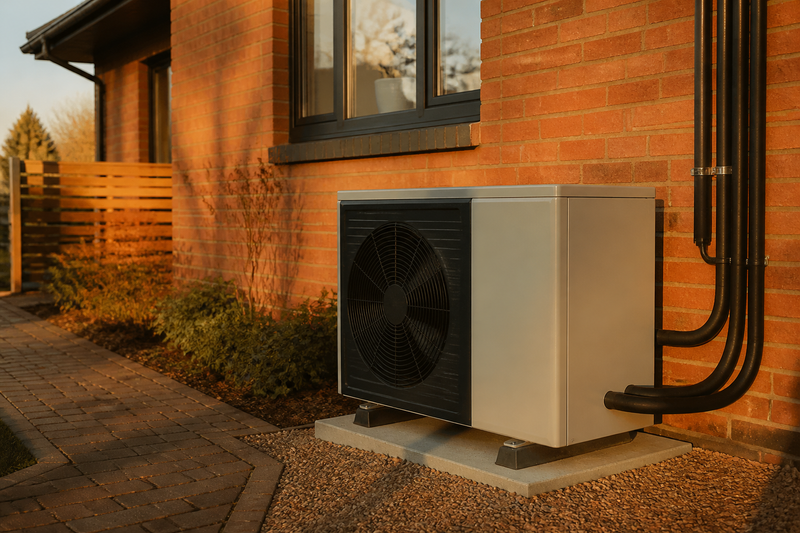
According to the Department for Energy Security and Net Zero English Housing Survey, roughly 1.7 million UK homes rely on electric storage heaters or direct electric panel radiators, facing electricity prices that average around four times the cost of mains gas per kilowatt-hour under the Ofgem energy price cap. If your home lacks a gas connection or relies on aging night-storage units, upgrading your heating is one of the most effective ways to lower annual energy bills.
Householders replacing legacy electric systems generally evaluate two primary options: modern high-heat retention storage heaters or an air source heat pump. Both systems run entirely on electricity, but their mechanical design, installation complexity and daily running costs differ significantly.
Comparing high-heat retention storage heaters and air source heat pumps
Modern storage heaters use high-density ceramic bricks inside insulated cabinets to absorb heat during cheaper off-peak hours, releasing it steadily throughout the day. Air source heat pumps extract low-grade thermal energy from outside air, compressing it to deliver hot water to radiators or underfloor loops.
| Feature | High-Heat Retention Storage Heaters | Air Source Heat Pumps |
|---|---|---|
| Heating Efficiency | 100% (1 kWh electricity = 1 kWh heat) | 300% to 400% SCOP (1 kWh electricity = 3 to 4 kWh heat) |
| Typical Installed Cost | £3,500 to £6,500 (3 to 4 key rooms) | £12,000 to £14,000 gross (£4,500 to £6,500 after grant) |
| Boiler Upgrade Scheme | Ineligible (£0 grant) | Eligible (£7,500 upfront grant in England & Wales) |
| Infrastructure Required | Existing or upgraded wall wiring | Wet central heating system (pipework, radiators/UFH) |
| Hot Water Generation | Requires separate immersion cylinder | Integrated via unvented hot water storage cylinder |
| Essential Certifications | NICEIC / NAPIT, TrustMark | MCS, TrustMark, RECC or HIES, NICEIC |
Which heating system fits your property?
High-heat retention storage heaters suit smaller, well-insulated flats or leasehold properties where installing an external heat pump unit is restricted by space or building management rules. Because they connect directly to standard or off-peak electrical circuits, they require no wet plumbing, making them lower cost to purchase and quick to install.
Air source heat pumps fit properties with adequate outdoor space for a compressor unit and internal room for a hot water cylinder. Because heat pumps deliver three to four units of heat for every unit of electricity consumed, their efficiency dramatically reduces unit consumption compared to direct electric heating. For homes replacing direct electric panels or single-rate storage heaters, a heat pump delivers the lowest ongoing running costs.
Practical checks required before upgrading your home
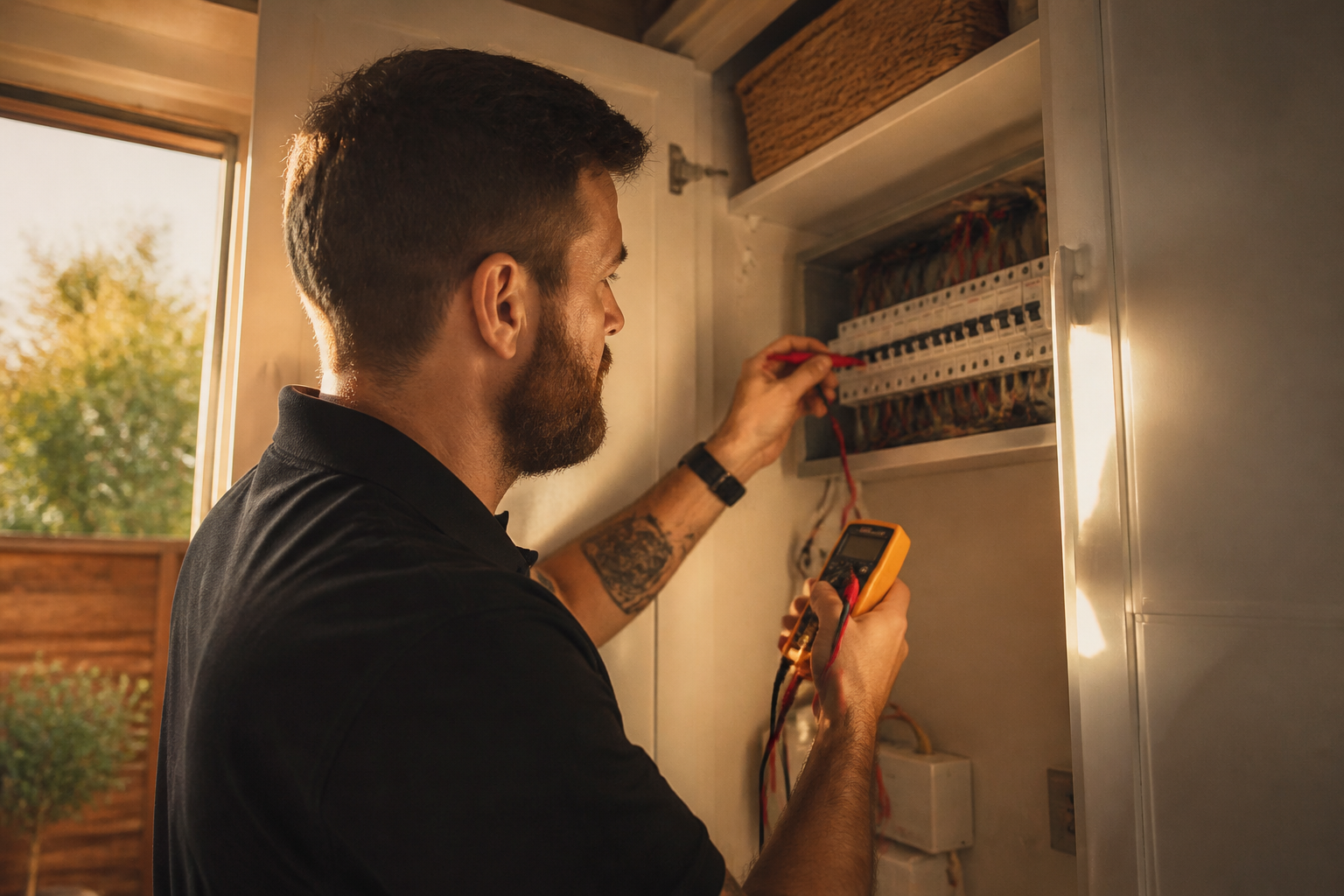
Before choosing a replacement heating path, complete three basic technical checks on your property:
- Consumer unit capacity: Modern storage heaters and heat pumps demand high electrical current. Have a registered electrician inspect your main fuse box to confirm it can handle the load, typically requiring a 60A to 100A main service fuse.
- Space for external equipment and cylinders: Heat pumps require a clear zone outside, at least 1 metre from property boundaries, to maintain sound levels under town planning regulations. Indoors, you will need space for a dedicated unvented hot water cylinder, usually inside an airing cupboard or utility room.
- Pipework infrastructure: If your home currently relies on storage heaters without any existing wet central heating pipes, fitting a heat pump requires laying radiator pipework through floors or walls, which adds structural disruption and labour cost.
Total installation costs and government grant eligibility
The upfront cost of installing high-heat retention storage heaters typically ranges between £800 and £1,400 per unit including installation. Replacing four legacy units across a home averages £3,500 to £5,500, with no government grant support currently available for direct electric systems.
Air source heat pumps carry a higher gross installation cost, averaging £12,000 to £14,000 for a standard three-bedroom house. However, under the Boiler Upgrade Scheme in England and Wales, eligible homeowners receive an upfront £7,500 grant vouchers managed directly by the installer, bringing the net cost down to between £4,500 and £6,500. Scotland offers equivalent funding through the Home Energy Scotland Grant and Loan scheme.
To help manage these initial outlay costs, some employers offer corporate sustainability perks for home energy projects. If your employer signs up to The Net Zero Home Scheme, which is entirely free for businesses to offer with no salary sacrifice or payroll adjustments required, you can secure up to 15% off swapping your inefficient heating for a heat pump. The scheme connects employees directly with vetted, accredited installers across England, Scotland and Wales.
Installer questions and essential UK standards
When hiring a contractor, confirm their accreditations and design methodology before signing a contract. For heat pump installations, your installer must hold Microgeneration Certification Scheme (MCS) accreditation to qualify for the £7,500 Boiler Upgrade Scheme grant.
Ask potential contractors these specific technical questions:
- Will you complete a room-by-room heat loss calculation to CIBSE or BS EN 12831 standards before sizing the equipment?
- Does your quote include submitting the Distribution Network Operator (DNO) application under G98 or G99 regulations for electrical grid connection?
- Which consumer protection code are you registered with, such as RECC (Renewable Energy Consumer Code) or HIES (Home Insulation & Energy Systems)?
- What Seasonal Coefficient of Performance (SCOP) rating is targeted for the system design?
For storage heater replacements, ensure the electrician is registered with NICEIC, NAPIT or ELECSA, and that all work complies with BS 7671 wiring regulations.
Realistic installation timelines from survey to commissioning
Installing high-heat retention storage heaters is fast, usually completed within one to two days. The electrician disconnects old units, inspects wiring, mounts new wall units, and programs off-peak timing controllers.
Installing an air source heat pump takes between three and six weeks from initial survey to completion:
- Initial site survey and heat loss assessment: 1 week.
- DNO grid notification or approval application: 1 to 3 weeks, depending on local grid capacity.
- On-site installation, including pipework, cylinder fitting, and external unit placement: 3 to 5 working days.
- MCS commissioning, handover documentation, and grant sign-off: 1 week.
Key questions answered on electric heating upgrades
Do I need planning permission for an air source heat pump?
In England and Wales, fitting an air source heat pump is usually covered under Permitted Development rights, provided the outdoor unit is under 0.6 cubic metres in size, located at least 1 metre from the property boundary, and meets the MCS 020 acoustic sound limit. Listed buildings and conservation areas always require prior planning consent.
Can storage heaters work with normal single-rate electricity tariffs?
While storage heaters can run on single-rate tariffs, doing so makes them very expensive to operate. Storage heaters are designed to charge up overnight using off-peak electricity rates on multi-rate tariffs, releasing stored thermal energy during peak hours.
How long do heat pumps and storage heaters last?
High-heat retention storage heaters typically have an operational lifespan of 10 to 15 years, as they contain few moving mechanical parts. Modern air source heat pumps have an expected operational lifespan of 15 to 20 years when serviced annually by an MCS-certified technician.
Sources
- English Housing Survey 2022 to 2023: energy report, Department for Energy Security and Net Zero
- Boiler Upgrade Scheme guidance for property owners, Ofgem