Gas Power Profits Added £4bn to UK Electricity Bills
Research shows gas generators made £4.1bn in extra profits during the energy crisis, driving up UK home electricity costs through marginal wholesale pricing.
- Written by
- Net Zero Home Scheme editorial team
- Last updated
- Topic
- energy bills, tariffs, policy

On 21 September 2026, energy news publication edie reported new research revealing that gas-fired power generators in Great Britain captured £4.1 billion in additional profits during the 2021 and 2022 energy crisis. The findings demonstrate how the current structure of the British wholesale power market allowed fossil-fuelled generators to secure windfall gains while adding an estimated £4 billion directly to consumer electricity costs.
The analysis underscores a long-standing structural issue in the UK energy market: marginal pricing. Under this system, the wholesale price for all electricity generated on the grid is set by the final, most expensive power station needed to satisfy demand. Because gas-fired power stations almost always act as the marginal generator, soaring gas import prices inflated the price of all electricity, regardless of whether it was produced by gas, nuclear, wind, or solar.
How marginal wholesale pricing inflated domestic bills
In Great Britain, the National Energy System Operator clears the wholesale power market in half-hourly settlement periods. Power stations submit bids to supply electricity, and the market operator accepts bids in order from cheapest to most expensive until national demand is met. The price of the final accepted bid establishes the single clearing price paid to all dispatched generators for that half-hour window.
During the peak of the energy crisis in 2021 and 2022, wholesale natural gas prices reached unprecedented heights due to international supply shocks. Because gas-fired generation was required to balance the grid during most settlement periods, the marginal clearing price remained exceptionally high. Gas generators sold their output at these peak prices, allowing operators to generate £4.1 billion in additional profits over historical baselines, according to the research published by edie on 21 September 2026.
Crucially, low-cost renewable generators also received these elevated wholesale rates, but gas operators benefited directly from the pricing mechanics while passing higher input costs on to the market. The net outcome was an extra £4 billion burden passed through to domestic and commercial energy bills across England, Scotland, and Wales.
What the numbers say
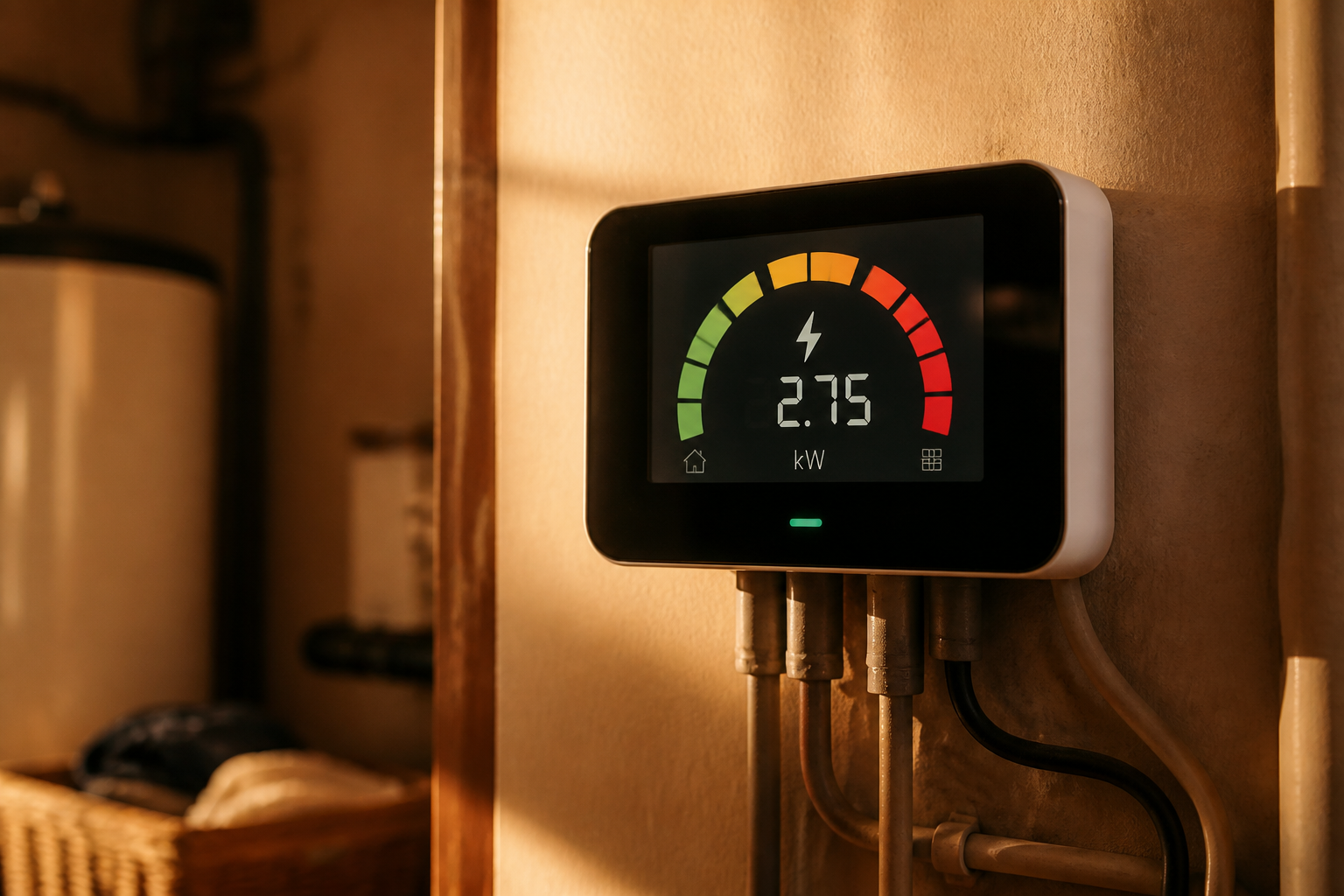
The figures released in the report detail the financial impact of wholesale pricing mechanics during the two-year surge in energy costs:
| Metric or Market Factor | Value Reported | Industry Source and Context |
|---|---|---|
| Additional Gas Power Profits | £4.1 billion | Windfall profits earned by gas generators in 2021,2022 (edie, 21 September 2026) |
| Direct Consumer Bill Impact | £4.0 billion | Total excess cost passed onto UK power consumers (edie, 21 September 2026) |
| Market Clearing Model | Marginal Pricing | Highest-cost accepted generator sets wholesale price for all suppliers |
| Primary Marginal Fuel | Natural Gas | Sets the national power price in over 80% of settlement windows |
These figures demonstrate that elevated electricity costs were not solely driven by the raw cost of fuel, but were amplified by market rules that link all generated electricity to the price of natural gas.
Structural market reform and the path to decoupling
The disclosure of these profit figures reinforces calls from consumer advocacy groups and energy analysts for fundamental market reform. The Department for Energy Security and Net Zero has been conducting the Review of Electricity Market Arrangements to evaluate potential changes to wholesale pricing.
Proposed reforms include splitting the market into dual pools, separating low-marginal-cost renewables from dispatchable fossil fuel generation, or moving to zonal pricing. Under a split-market model, households would pay a lower, long-term contractual rate for wind and solar power, insulating domestic bills from sudden spikes in international gas markets.
However, structural market changes require extensive regulatory consultation and software overhauls across grid systems, meaning implementation is expected to take several years. In the interim, UK energy consumers remain exposed to wholesale price volatility whenever gas power is required to meet peak grid demand.
What this means for your home
For individual households, the reliance of the national grid on gas-fired marginal pricing highlights the financial benefit of generating power locally. While grid power tariffs remain linked to fossil fuel price movements, on-site solar power and battery storage allow homeowners to generate electricity at a fixed, predictable cost per kilowatt-hour.
Key actions for householders considering home energy upgrades include:
- Evaluating self-generation: A residential solar PV array generates electricity at an effective levelised cost of 5p to 8p per kWh over its 25-year lifetime, compared to standard grid tariffs that reflect wholesale gas fluctuations.
- Installing home battery storage: Storing daytime solar output or charging a battery on low-cost off-peak tariffs helps avoid drawing expensive peak-time power from the grid when gas stations set the market price.
- Combining technologies: Pairing a heat pump with solar PV and battery storage reduces overall exposure to grid electricity rates, protecting home heating budgets from global fuel market shocks.
Households using home generation insulate themselves from system-wide wholesale price increases, ensuring that higher generator profit margins do not translate directly into higher home running costs.
What this means for employers
For HR directors, reward managers, and sustainability leads, persistent volatility in domestic energy costs continues to affect employee financial wellbeing. When wholesale market structures drive up household utility bills, staff face increased living costs that place pressure on household budgets.
Forward-thinking organisations are responding by introducing practical, low-cost employee benefits that help staff reduce their home running costs permanently. Employers looking to support their workforce can introduce the Net Zero Home Scheme, a free employer benefit delivered with no salary sacrifice and no payroll deduction, which gives employees access to member pricing on accredited solar, battery storage, heat pump, and plug-in solar installations.
By helping employees generate their own clean power, organisations improve employee financial resilience while supporting broader corporate carbon reduction goals.
Frequently asked questions
Why do gas prices dictate the cost of renewable electricity in the UK?
Under the UK's marginal pricing system, the wholesale price paid for all electricity during a half-hour period is set by the last power plant needed to meet demand. Because gas power stations are usually the last plants turned on to balance the grid, their operating costs set the clearing price for all generators, including wind and solar.
How much extra did gas power profits add to consumer bills during the crisis?
According to research published by edie on 21 September 2026, gas-fired power stations generated £4.1 billion in excess profits during the 2021 and 2022 energy crisis, which added £4 billion directly to UK electricity costs.
What market changes are being proposed to fix wholesale pricing?
Through the Review of Electricity Market Arrangements, the government is considering options such as decoupling renewable energy pricing from gas pricing, introducing zonal pricing, or creating separate market pools to ensure low-cost renewable power directly lowers consumer electricity bills.