Pharma Giants Join New Clean Heat Supply Chain Scheme
AstraZeneca, Sanofi, UCB, and Opella have joined the Clean Heat Program to accelerate low-carbon heating adoption across corporate supply chains.
- Written by
- Net Zero Home Scheme editorial team
- Last updated
- Topic
- heat pumps, energy efficiency, policy
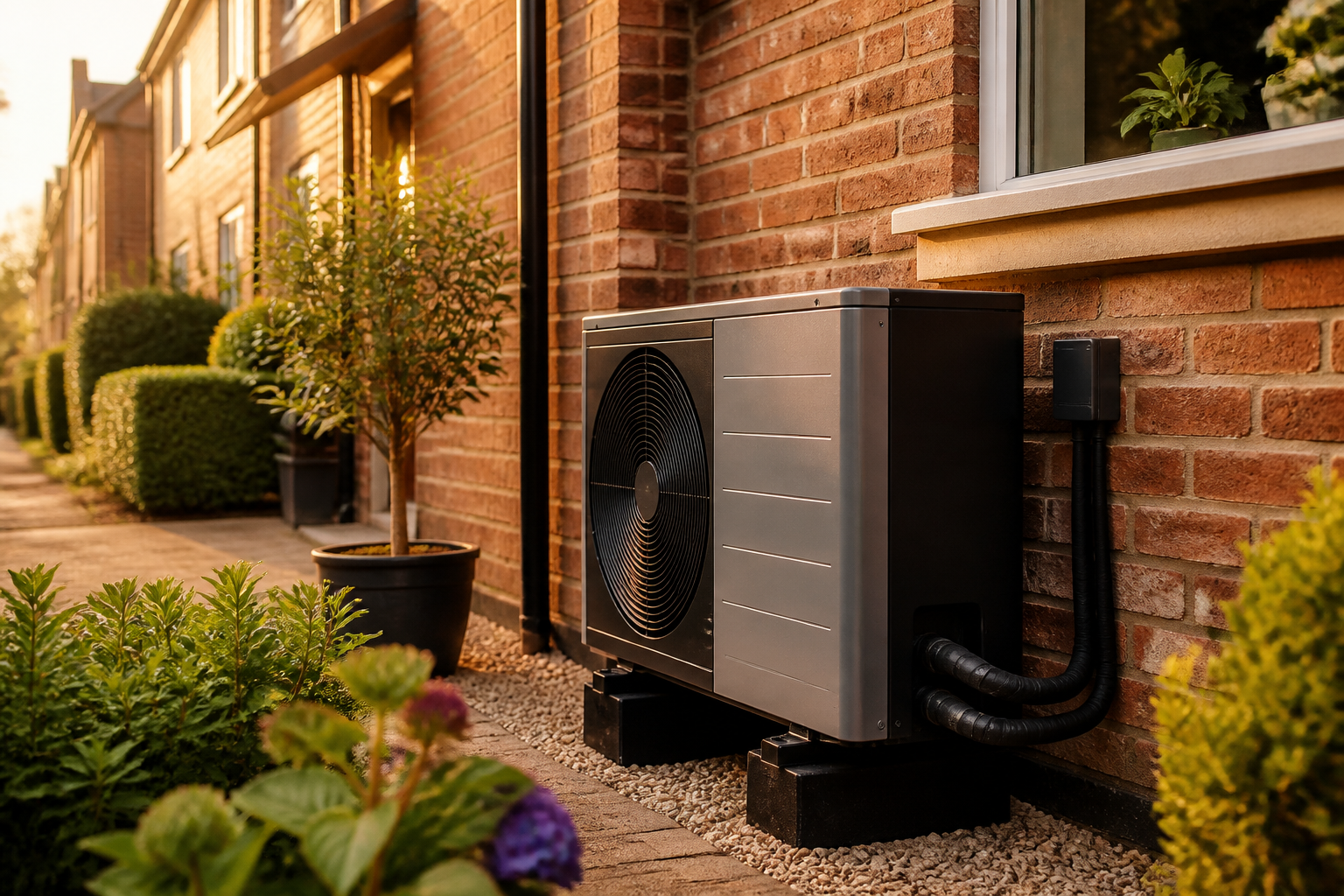
Pharmaceutical majors Sanofi, UCB, and Opella have joined AstraZeneca as founding members of the Clean Heat Program, an initiative designed to accelerate the adoption of low-carbon heating across corporate value chains. Reported by edie on 18 September 2026, the joint commitment focuses on supporting suppliers and partner organisations as they transition away from fossil fuel heating systems toward electrified and low-carbon heat alternatives.
The initiative highlights an expanding corporate focus on Scope 3 carbon emissions, which include indirect greenhouse gases generated throughout a company's broader supply chain and operational footprint. As major manufacturers face tightening disclosure requirements and net-zero targets validated by bodies such as the Science Based Targets initiative, heating infrastructure in factories, offices, and supplier sites has become a central priority for corporate sustainability strategies.
What the numbers say
According to edie's reporting on 18 September 2026, four global pharmaceutical brands have signed on to the initiative, marking a significant sector-wide push for thermal decarbonisation. However, the initial program announcement did not publish specific quantitative targets regarding total capital investment, explicit megawatt heating capacity transitions, or fixed timeline milestones for participant sites.
Where data remains incomplete or unannounced, industry experts note that corporate clean heat initiatives must address significant baseline heat requirements across different commercial scales:
| Metric or Parameter | Corporate Supply Chain Focus | Household Energy Context |
|---|---|---|
| Participating Founding Brands | 4 (AstraZeneca, Sanofi, UCB, Opella) | N/A |
| Target Heat Technologies | High-temperature heat pumps, thermal storage, electrified steam | Air source heat pumps, ground source heat pumps |
| Operational Standards | ISO 50001, SBTi net-zero frameworks | MCS, TrustMark, RECC, HIES, NICEIC |
| Typical System Efficiency | Site-specific industrial COP (1.5 to 3.5) | Seasonal Coefficient of Performance (SCOP 3.0 to 4.2) |
| Standard Equipment Capacity | Megawatt-scale (MW) process heating | Domestic heat pumps (4 kW to 16 kW output) |
Because the Clean Heat Program has not yet released detailed audit data on supplier baseline emissions, total carbon reductions achieved by the initiative will depend on future reporting updates from the member firms.
How corporate heat decarbonisation affects the UK energy landscape
Industrial and commercial heating accounts for a major share of UK natural gas consumption. When major employers demand that their supply chains phase out gas boilers, the resulting push shifts energy demand toward the electricity grid. For the broader energy market, this shift emphasizes two core requirements: high equipment efficiency and smart load management.
In domestic settings, replacing a natural gas boiler with an air source heat pump transforms household energy dynamics. A heat pump operating at a Seasonal Coefficient of Performance (SCOP) of 3.2 delivers 3.2 kWh of heat for every 1 kWh of electricity consumed. This high level of thermodynamic efficiency is essential to keep running costs competitive against natural gas, particularly while UK electricity prices remain higher than wholesale gas prices per unit.
For commercial and residential buildings alike, moving to clean heat requires careful technical auditing. Installers must evaluate radiator surface areas, pipework sizing, thermal insulation levels, and electrical consumer unit capacity to ensure systems run efficiently without unnecessary energy waste.
What this means for your home
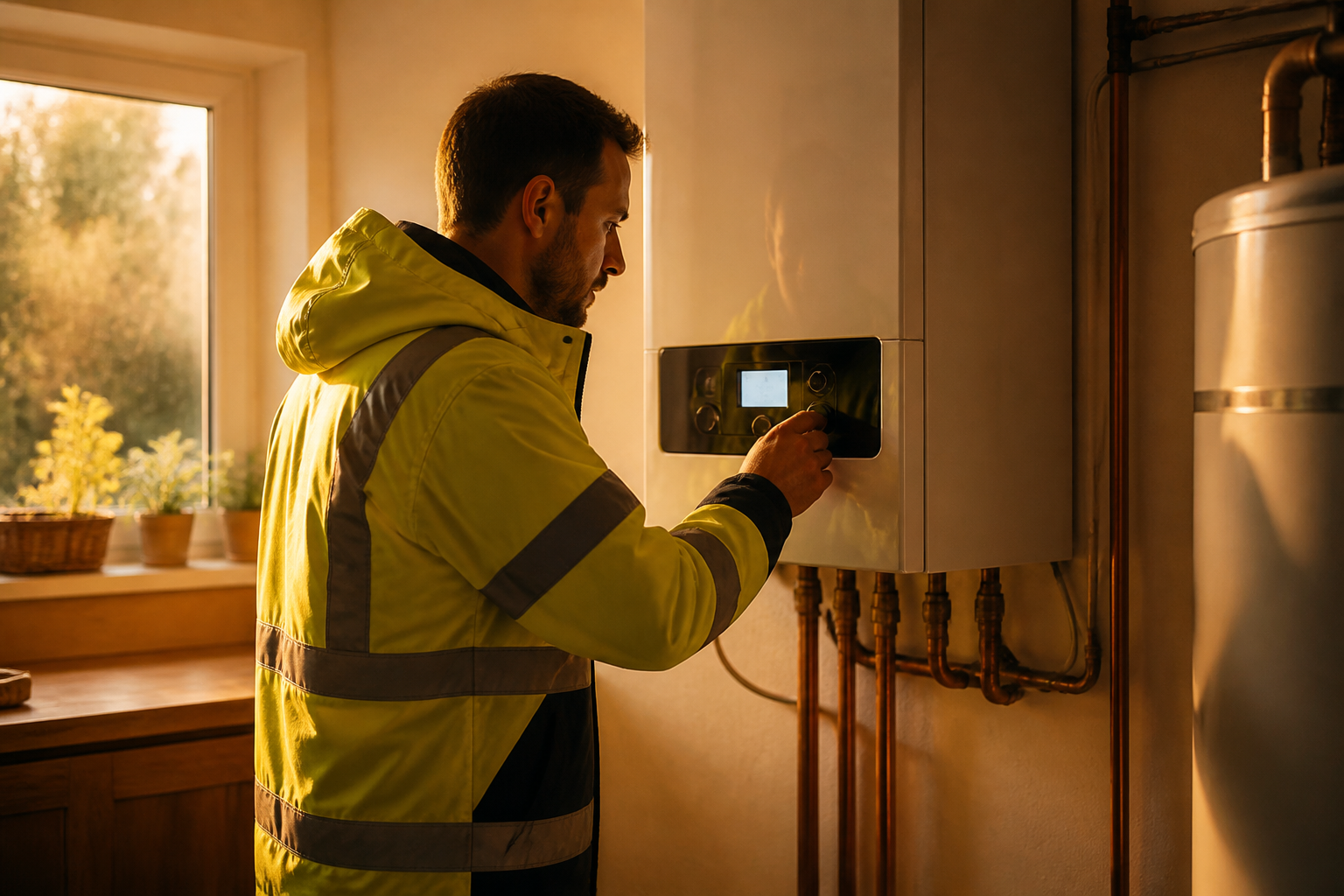
If you are a UK householder considering a move to low-carbon heating, corporate moves toward clean heat signal a broader structural shift away from natural gas. While industrial sites require high-temperature steam systems, residential homes benefit directly from mature air source and ground source heat pump technologies.
Key factors to evaluate when planning a home heating upgrade include:
- Heat loss calculations: Ensure an installer performs a room-by-room heat loss assessment in accordance with CIBSE guidelines before sizing an air source heat pump.
- Radiator sizing: Existing radiators may need upgrading to larger single-panel or double-panel convectors to output sufficient heat at lower flow temperatures, such as 45 degrees Celsius.
- System efficiency: Look for heat pumps with a verified SCOP of 3.0 or higher to maintain lower annual electricity consumption.
- Installer accreditation: Verify that your installation company holds Microgeneration Certification Scheme (MCS) certification and TrustMark registration to ensure compliance with UK building regulations and access to available grant funding.
- Electrical capacity: Check that your consumer unit and main fuse, typically rated at 60A or 100A, can accommodate the starting and running current of a domestic heat pump alongside other high-draw appliances.
Upgrading your home heating system from an aging gas boiler to a heat pump reduces direct home emissions to zero at the point of use. When paired with solar PV panels or battery storage, home heating costs can be managed even more effectively against fluctuating grid tariffs.
What this means for employers
For HR, reward, and sustainability leads, the launch of major corporate initiatives like the Clean Heat Program underlines how central heating decarbonisation has become to corporate strategy. While supply chain decarbonisation targets Scope 3 operational emissions, employee domestic energy use also represents a major area of workforce financial wellbeing and environmental awareness.
With household energy costs remaining elevated across England, Scotland, and Wales, employees increasingly seek practical ways to lower home energy bills and improve home insulation. Providing access to accredited home energy solutions gives reward teams a practical benefit that supports financial resilience while reinforcing corporate sustainability goals.
Employers looking to support their staff can introduce the Net Zero Home Scheme, an employee benefit delivered alongside The Electric Car Scheme that gives employees member pricing on solar PV, battery storage, heat pumps, and plug-in solar installed by accredited installers, at zero cost to the employer and with no salary sacrifice or payroll deductions required.
Frequently asked questions
What is the Clean Heat Program?
The Clean Heat Program is a corporate initiative launched by major pharmaceutical companies, including AstraZeneca, Sanofi, UCB, and Opella, to help supply chain partners transition away from fossil fuel heating systems to low-carbon heat technologies.
Why are companies focusing on heating decarbonisation now?
Heating accounts for a substantial proportion of commercial and industrial fossil fuel use. As companies set net-zero targets validated by organizations like the Science Based Targets initiative, reducing heat-related Scope 1 and Scope 3 emissions is necessary to meet overall carbon reduction goals.
What standards ensure domestic heat pump quality in the UK?
Domestic heat pump installations in England, Scotland, and Wales should be completed by installers certified under the Microgeneration Certification Scheme (MCS) and registered with TrustMark, RECC, or HIES. Electrical work must comply with BS 7671 standards and be certified by bodies such as NICEIC.