Direct Electric Heating vs Heat Pumps: Physics & Costs
A detailed breakdown of the thermodynamics, running costs, capital expenses, and practical trade-offs between direct electric heating and heat pumps in UK homes.
- Written by
- Net Zero Home Scheme editorial team
- Last updated
- Topic
- heat pumps, energy efficiency, energy bills
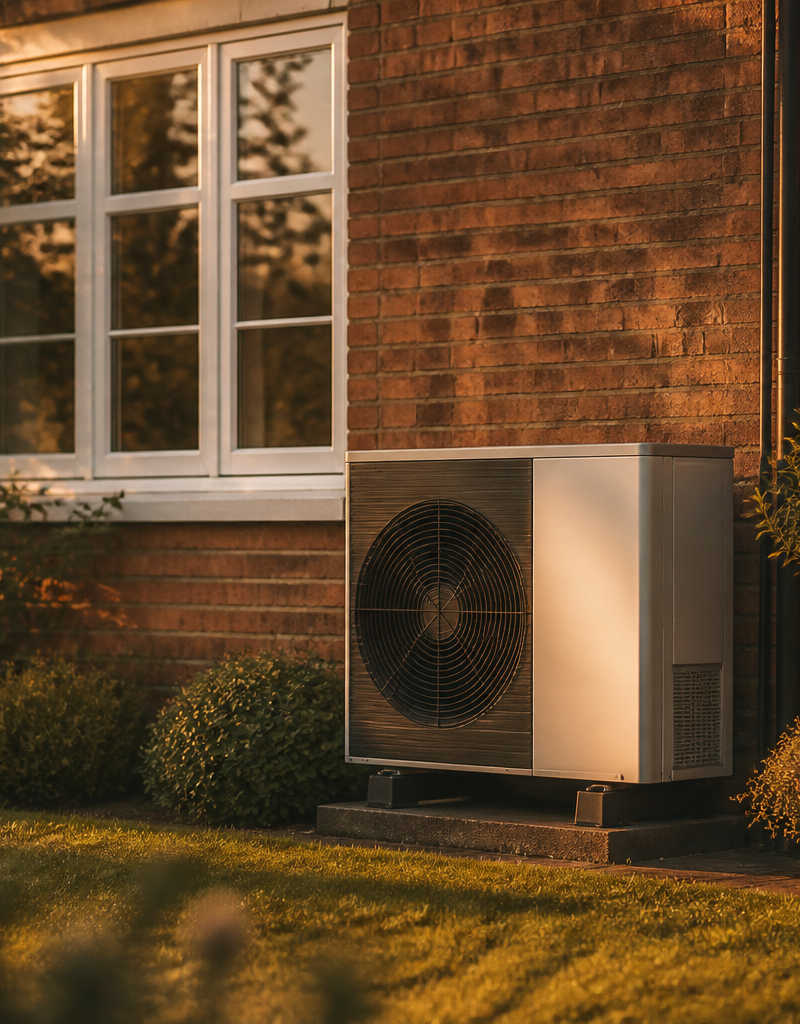
Heating accounts for approximately 78% of energy consumption in UK homes, according to data from the Department for Energy Security and Net Zero (DESNZ). As households move away from fossil fuel heating systems such as gas and oil boilers, electric heating technologies have become the primary alternative. However, electric space heating falls into two fundamental physical categories: direct electric resistive heating and thermodynamic heat pump systems.
While both technologies use grid electricity to raise indoor temperatures, their underlying physics, operational economics, and physical space requirements differ fundamentally. Understanding the thermodynamic mechanisms behind each technology helps clarify when a heat pump is justified and when direct electric heating remains a practical choice.
The Physics of Direct Electric Heating
Direct electric space heating relies on Joule heating, also known as resistive heating. When an electric current passes through a conductor with electrical resistance, electrical energy converts directly into thermal energy. This mechanism powers electric panel heaters, electric radiators, storage heaters, infrared panels, and direct electric boilers.
From a physics perspective, direct electric heating operates at 100% thermal efficiency at the point of use. First Law thermodynamics dictates that every kilowatt-hour (kWh) of electrical energy consumed yields exactly one kilowatt-hour (1 kWh) of heat energy into the room.
Because resistive elements cannot output more thermal energy than the electrical energy supplied to them, the maximum achievable Coefficient of Performance (COP) for any direct electric heater is strictly 1.0.
The Thermodynamics of Heat Pumps
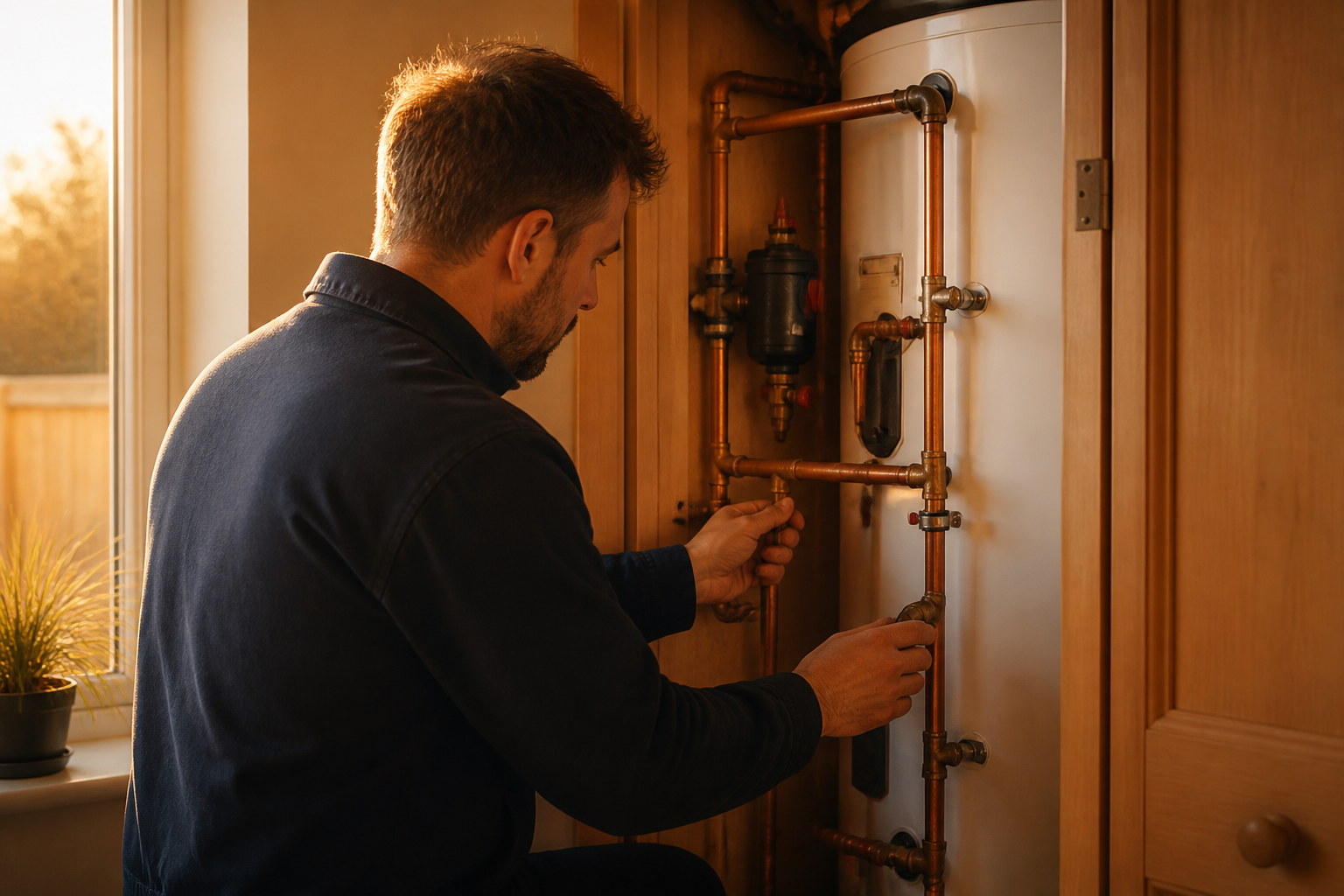
Vapour-compression heat pumps do not generate heat directly through electrical resistance. Instead, they use electrical energy to drive a refrigeration cycle that extracts thermal energy from an ambient external source, such as outdoor air or ground soil, and upgrades it to a higher temperature for indoor space heating and hot water.
A heat pump operates as a thermodynamic heat engine in reverse. The cycle relies on four main components:
- Evaporator: Low-temperature outdoor air passes over a heat exchanger containing a refrigerant fluid with a low boiling point. The refrigerant absorbs heat from the surrounding air and evaporates into a gas.
- Compressor: The electrically driven compressor compresses the gaseous refrigerant, raising its pressure and temperature significantly.
- Condenser: The hot refrigerant gas passes through an indoor heat exchanger, transferring its heat to the home hydronic heating circuit or air delivery system as it condenses back into a liquid.
- Expansion Valve: The high-pressure liquid refrigerant expands through a valve, dropping its pressure and temperature before returning to the evaporator to repeat the cycle.
Because the system moves existing environmental heat rather than generating heat from scratch, the thermal energy delivered to the building exceeds the electrical energy consumed by the compressor and circulation pumps. The ratio of thermal energy output to electrical energy input is expressed as the Coefficient of Performance (COP).
In the UK climate, a well-designed air source heat pump operating with low flow temperatures (35°C to 45°C) typically achieves a Seasonal Coefficient of Performance (SCOP) between 3.0 and 4.2 over the course of a year. An SCOP of 3.5 means that for every 1 kWh of electricity consumed, the system delivers 3.5 kWh of heat into the home, representing an effective thermal efficiency of 350%.
Comparing Operational Running Costs
The economic viability of electric heating technologies depends heavily on unit electricity prices. Under the Ofgem energy price cap for Q1 2026, standard domestic electricity costs approximately 24.5p per kWh, while mains gas costs roughly 6.3p per kWh.
Because direct electric heating operates at a 1:1 conversion ratio (COP 1.0), every unit of heat delivered into the living space costs the full retail electricity rate of 24.5p per kWh. By contrast, a heat pump multiplying electrical input by a factor of 3.0 to 4.0 lowers the effective unit cost of heat significantly.
| Heating Technology | System Efficiency (COP / SCOP) | Electrical Rate (p/kWh) | Effective Heat Cost (p/kWh thermal) | Estimated Annual Cost for 10,000 kWh Heat Demand |
|---|---|---|---|---|
| Direct Electric (Panels / Boiler) | 1.0 | 24.5p | 24.5p | £2,450 |
| Standard Gas Boiler (Condensing) | 0.88 | 6.3p (gas) | 7.2p | £720 |
| Air Source Heat Pump (Moderate Setup) | 3.0 | 24.5p | 8.2p | £820 |
| Air Source Heat Pump (Optimised Setup) | 4.0 | 24.5p | 6.1p | £610 |
As the comparison demonstrates, running a property exclusively on direct electric space heating can cost three to four times more than running an optimised heat pump system delivering the same quantity of space heating.
Capital Costs and System Installation Requirements
While direct electric heating carries significantly higher ongoing fuel costs, its capital installation costs and space requirements are substantially lower than those of heat pump systems.
Direct Electric Installations
- Capital Cost: Installing high-retention storage heaters or electric panel radiators across a typical three-bedroom home generally costs between £1,500 and £3,500.
- Infrastructure: Direct electric panel heaters require no central pipework, external units, flue penetrations, or domestic hot water cylinders when decentralized point-of-use water heaters are used.
- Maintenance: Mechanical wear is minimal because resistive heaters contain few moving parts, eliminating annual servicing requirements mandated by boiler warranties.
Heat Pump Installations
- Capital Cost: Installing a complete air source heat pump system in the UK typically costs between £12,000 and £14,000 before government incentives. The Boiler Upgrade Scheme (BUS) provides a grant of £7,500 across England and Wales, reducing net capital outlay to between £4,500 and £6,500.
- Infrastructure Requirements: Heat pumps require an outdoor location complying with Microgeneration Certification Scheme (MCS) noise standards (MCS 020), space for an insulated hot water cylinder, and correctly sized emitters. Radiators must often be enlarged to deliver adequate heat transfer at lower flow temperatures, evaluated under room-by-room heat loss calculations (BS EN 12831).
- Electrical Supply: Both technologies place demands on domestic electrical infrastructure. Heat pumps draw a peak electrical load of 2 kW to 4 kW during compressor operation, whereas full-house direct electric heating can draw 8 kW to 12 kW, sometimes requiring a main fuse upgrade from the Distribution Network Operator (DNO).
Counter-Arguments and Cases Where Direct Electric Fits
Despite lower running costs for heat pumps, direct electric heating remains a practical option under specific property conditions:
- Very Low Heat Demand: In highly insulated modern homes built to Passivhaus standards, annual space heating demand may fall below 2,000 kWh. At this scale, the annual bill difference between direct electric (£490) and a heat pump (£140) is £350 per year. Over a 15-year lifecycle, the £350 annual saving (£5,250 total) may not offset the higher upfront installation cost of a heat pump.
- Small Flats and Spatial Constraints: In compact apartments without external wall space for an outdoor unit, or where leasehold rules prohibit external alterations, air source heat pumps are physically unfeasible.
- Intermittent or Low-Occupancy Buildings: For holiday lets or secondary accommodation used infrequently, the low capital outlay and zero risk of freezing pipework during unoccupied winter periods can outweigh high unit running costs.
For typical UK houses with annual space heating requirements exceeding 8,000 kWh, the thermodynamic advantage of heat pumps creates substantial lifetime cost savings over direct electric heating.
When evaluating upgrading home heating systems, UK employees can access member pricing on accredited heat pump installations through the Net Zero Home Scheme, delivered by Net Zero Benefits alongside The Electric Car Scheme as a fee-free employer benefit with no salary sacrifice or payroll deductions.
Frequently asked questions
Is direct electric heating 100% efficient?
Yes, direct electric resistive heating converts 100% of electrical energy input into heat at the point of use (COP 1.0). However, because grid electricity costs significantly more per kWh than natural gas, 100% thermal efficiency does not guarantee low running costs.
Why do heat pumps achieve efficiencies above 100%?
Heat pumps do not convert fuel directly into heat. They use electricity to operate a refrigeration cycle that extracts ambient heat from outside air or ground soil and transfers it indoors. Delivering 3 to 4 kWh of environmental heat per 1 kWh of electricity yields an effective efficiency of 300% to 400% (COP 3.0 to 4.0).
Can I replace direct electric panel heaters with a heat pump?
Yes, but doing so requires installing a full wet central heating distribution system, including insulated pipework, radiators or underfloor heating circuits, and a domestic hot water cylinder.
What this means for you
Evaluating direct electric heating against a heat pump requires looking at lifetime costs rather than just initial purchase price:
- Calculate annual heat demand: Check your energy bills or EPC report for annual kWh space heating figures. High-demand properties (above 6,000 kWh per year) benefit most from heat pump thermodynamics.
- Factor in government grants: Apply the £7,500 Boiler Upgrade Scheme grant when comparing net capital outlay for heat pump installations in England and Wales.
- Assess space and electrical capacity: Confirm whether your home has suitable outdoor space for a heat pump unit or adequate electrical fuse capacity for high-draw direct electric panels.
- Verify installer accreditation: Ensure installers hold MCS accreditation to qualify for government grant funding and satisfy building regulation standards.