Budget Warnings Highlight UK Energy Price Risks
BBC News reports economic warnings over UK debt costs and growth ahead of the Budget, driven in part by wholesale energy market volatility.
- Written by
- Net Zero Home Scheme editorial team
- Last updated
- Topic
- energy bills, policy, tariffs
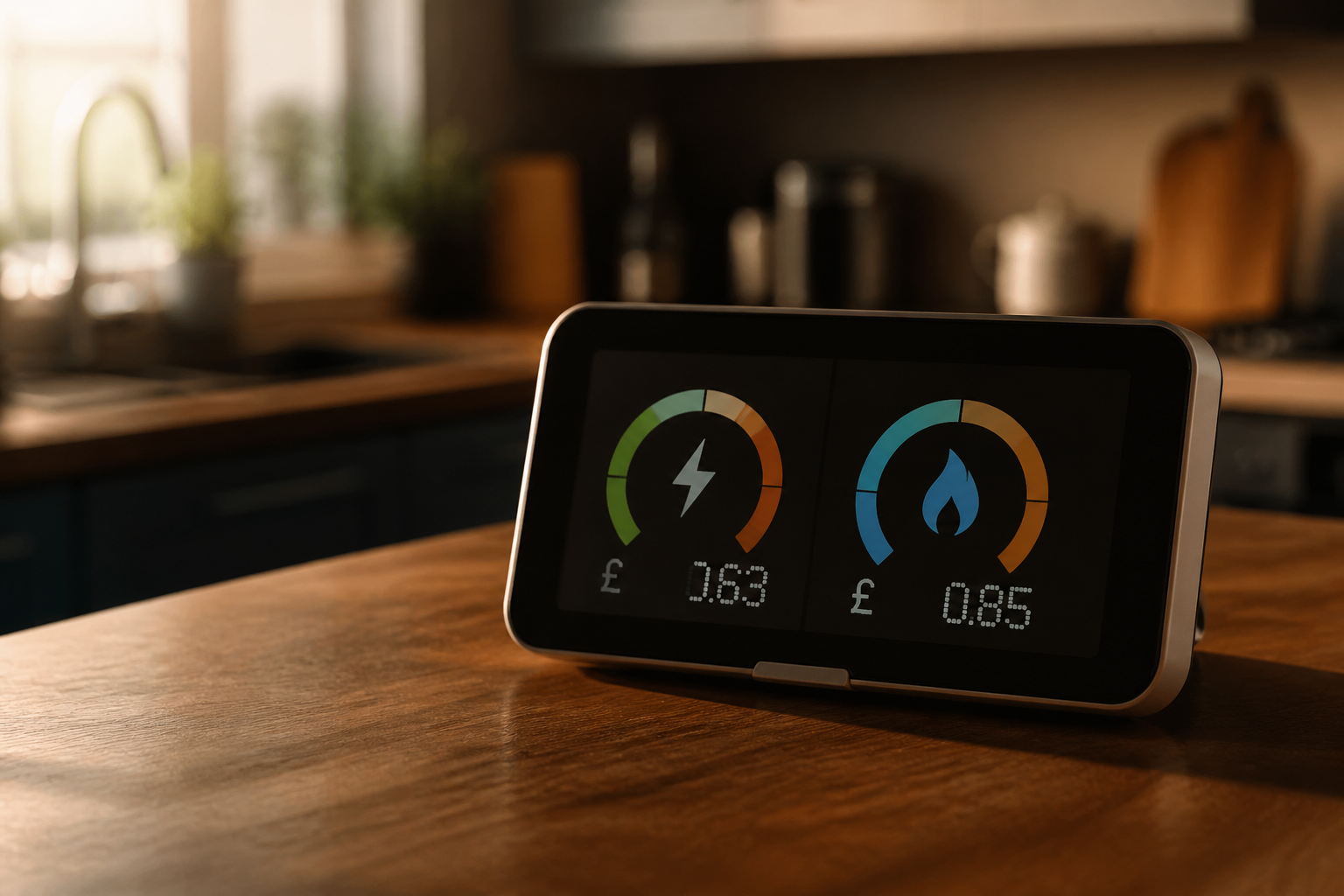
On 23 September 2026, BBC News reported that fiscal analysts and economic forecasters have issued formal warnings to the UK Treasury regarding mounting debt interest costs and reduced economic growth projections ahead of the upcoming Budget. The warnings highlight that ongoing geopolitical tensions in the Middle East and wider climate disruptions threaten to push wholesale energy prices higher, directly undermining national financial stability and household purchasing power.
The economic assessment comes as the government prepares its fiscal plans, with rising energy costs posing a dual challenge for public finances and domestic billpayers. While retail energy prices are partially shielded by Ofgem's price cap mechanism, prolonged wholesale inflation eventually feeds through into household gas and electricity tariffs, increasing living costs across England, Scotland, and Wales.
Fiscal warnings and energy market volatility
According to reporting by BBC News on 23 September 2026, volatile energy markets remain one of the primary exogenous risks facing the UK economy. When global gas and oil benchmarks spike, the Treasury faces higher borrowing costs alongside elevated public service expenditure, while consumer spending contracts as households divert disposable income toward utility bills.
For domestic energy users, wholesale market instability creates significant forward uncertainty. Standard variable tariffs regulated by Ofgem adjust quarterly based on wholesale energy contract prices over prior benchmark periods. Consequently, sustained wholesale price increases recorded during autumn will inevitably influence energy price cap calculations for subsequent quarters, placing renewed pressure on household finances.
What the numbers say
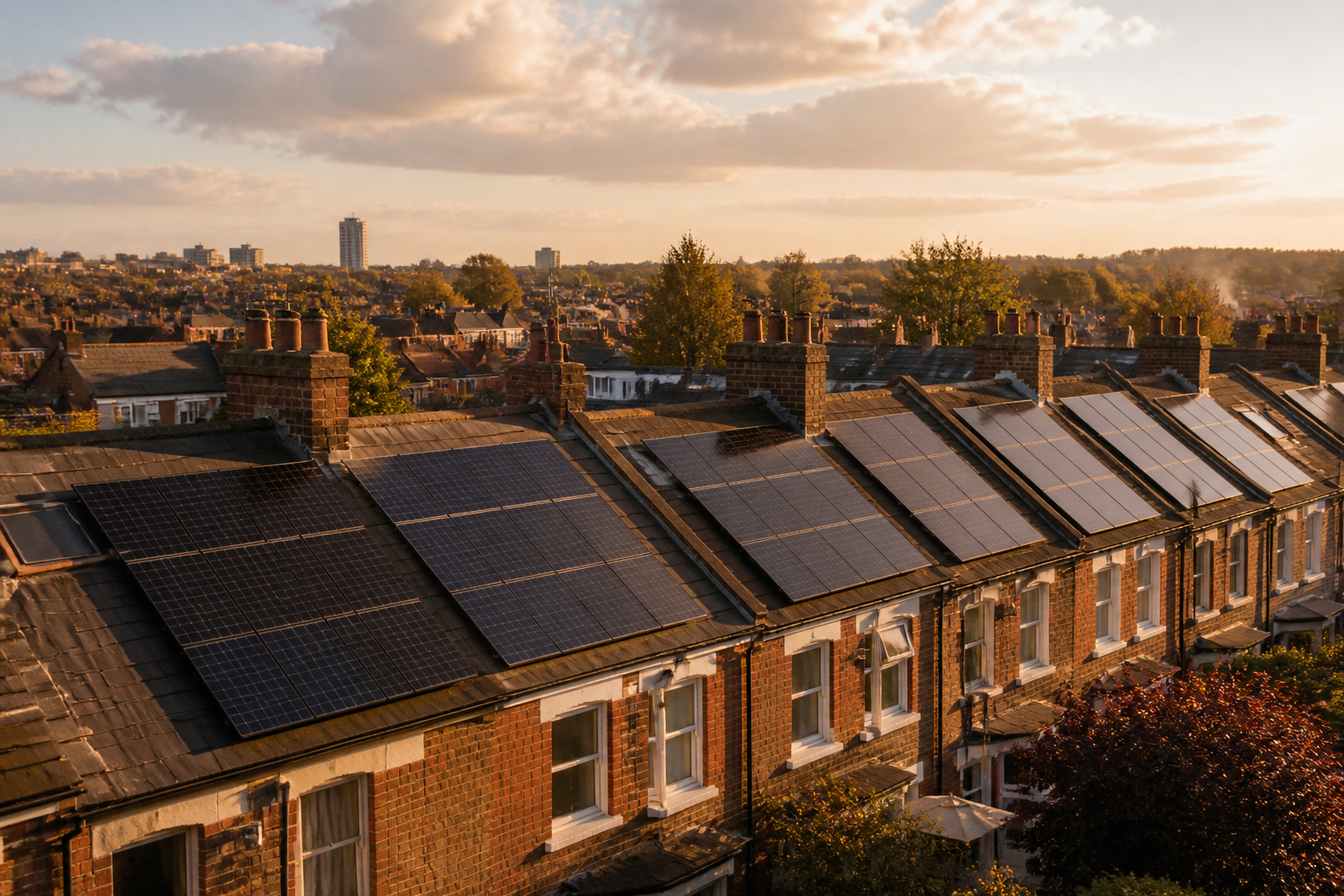
The economic forecast reported by BBC News on 23 September 2026 outlines specific pressures facing the UK fiscal and energy outlook:
| Economic Metric | Reported Value / Detail | Source & Date |
|---|---|---|
| Primary Growth Risk | Rising Middle East conflict and climate impacts driving wholesale energy costs | BBC News, 23 Sep 2026 |
| Fiscal Impact | Increased state borrowing and higher government debt interest payments | BBC News, 23 Sep 2026 |
| Household Bill Risk | Higher wholesale gas spikes risk pushing future quarterly price caps upward | BBC News, 23 Sep 2026 |
| Policy Focus | Budget preparations under tighter fiscal headroom constraints | BBC News, 23 Sep 2026 |
As highlighted by BBC News on 23 September 2026, the intersection of high public debt and volatile international commodity prices leaves little fiscal room for state-funded energy subsidies or emergency bill relief measures.
How wholesale price movements affect household energy bills
In the UK market, domestic gas and electricity prices are closely tied to wholesale natural gas benchmarks because gas-fired power stations frequently act as the marginal price generator on the National Grid electricity market. When wholesale gas prices rise, both gas heating costs and power generation costs escalate simultaneously.
Under Ofgem rules, energy suppliers calculate standard variable tariffs based on backward-looking wholesale hedging windows. A sustained rise in wholesale gas prices over a four-to-six-week period increases the allowance suppliers are permitted to charge per kilowatt-hour (kWh). For an average UK home consuming 2,700 kWh of electricity and 11,500 kWh of gas annually, even a 1p per kWh increase in unit rates adds approximately £142 to annual energy expenditure, excluding standing charges.
Because fixed-rate tariffs are priced according to forward market expectations, periods of heightened wholesale volatility lead energy companies to withdraw competitive fixed deals or reprice them at higher levels. This limits consumer options for locking in lower long-term rates.
What this means for your home
For UK householders, economic warnings regarding persistent energy price risks highlight the benefit of reducing grid dependence through targeted efficiency and self-generation measures:
- Reviewing fixed versus variable tariffs: Check whether your current tariff is fixed or on Ofgem's standard variable rate, and compare standing charges and unit rates before committing to long-term contracts during volatile periods.
- Evaluating solar PV payback periods: Rising electricity unit rates improve the payback timeline for residential solar installations. A standard 4 kWp rooftop array generating approximately 3,400 kWh annually saves a household substantial unit costs when power is consumed directly on site.
- Integrating battery storage: Pairing solar PV with a home battery (typically 5 kWh to 10 kWh capacity) allows households to store excess generation or charge from time-of-use tariffs during off-peak hours, hedging against peak daytime rates.
- Upgrading heating systems: Heat pumps operating at a Seasonal Coefficient of Performance (SCOP) of 3.2 deliver 3.2 kWh of heat for every 1 kWh of electricity consumed, offering superior energy conversion efficiency compared to gas boilers subject to wholesale fuel spikes.
- Considering plug-in solar options: For renters or homes where roof mounting is unviable, plug-in balcony or garden solar kits provide modest base-load generation to offset continuous background appliances.
What this means for employers
Rising living costs driven by energy market volatility directly affect employee financial wellbeing, productivity, and workplace retention. As household utility bills face potential autumn increases, staff increasingly look to employer benefit packages for practical, long-term support with fixed domestic expenses.
Forward-thinking HR and reward leaders are responding by implementing environmental and financial wellbeing benefits that offer lasting structural savings rather than temporary cash stipends. Employers looking to assist their workforce with long-term energy resilience can offer access to the Net Zero Home Scheme, which provides employees with member pricing on accredited solar, heat pump, battery storage, and plug-in solar installations at no cost to the business.
By facilitating access to accredited installers working to Microgeneration Certification Scheme (MCS) and TrustMark standards, organisations can support their workforce in lowering domestic bills while advancing broader corporate scope 3 carbon reduction goals.
Frequently asked questions
How do wholesale gas price spikes raise electricity bills in the UK?
In the UK electricity market, the market-clearing price is typically set by the most expensive generator needed to meet demand, which is usually a gas-fired power station. As a result, when wholesale gas prices rise, the wholesale price of electricity increases at a similar rate, even for power generated by renewables.
Will energy bills rise immediately following wholesale market warnings?
Not immediately for households on standard variable tariffs, as Ofgem adjusts the price cap quarterly based on averaged wholesale prices over previous months. However, fixed-rate tariffs offered by energy suppliers can adjust or be withdrawn within days of significant market spikes.
How does home battery storage protect against tariff increases?
Home battery storage allows householders to store low-cost off-peak electricity or self-generated solar energy. By discharging stored energy during peak tariff hours, homes can avoid buying electricity from the grid when rates are at their highest.