Bank of England Holds Interest Rates as Energy Prices Risk Hikes
The Bank of England held interest rates on 17 September 2026, warning that volatile energy prices could force future hikes and impact home retrofits.
- Written by
- Net Zero Home Scheme editorial team
- Last updated
- Topic
- energy bills, policy, home energy

On 17 September 2026, the Bank of England held the UK base rate, marking the sixth consecutive meeting without a rate change, but issued an explicit warning that persistent high energy prices could trigger future interest rate increases. Reporting by BBC News on 17 September 2026 highlighted that members of the Monetary Policy Committee remain concerned about global wholesale energy price volatility passing directly into underlying domestic inflation figures.
For UK householders and employers, this central bank decision keeps borrowing costs flat in the immediate term, but signals ongoing uncertainty for financing green home retrofits such as heat pumps, rooftop solar installations, and battery storage. When interest rates stay elevated alongside unpredictable energy bills, household budgets face a dual financial strain, making long-term energy efficiency improvements an important tool for restoring financial predictability.
What the numbers say
According to official coverage published by BBC News on 17 September 2026, the Monetary Policy Committee voted to maintain central bank borrowing benchmarks following a detailed assessment of economic productivity, wage growth, and global energy market risks. Key details reported in the decision include:
- The Bank of England held interest rates for the sixth consecutive meeting, leaving the central benchmark unchanged while assessing broader economic stability.
- Policymakers specifically identified elevated global oil and gas prices as the primary external threat that could disrupt inflation forecasts and necessitate a future rate increase.
- Central bank guidance warned that if wholesale energy pressure persists into the autumn and winter months, monetary policy may need to tighten further to bring consumer price inflation back to target.
Where central bank forecasts remain dependent on geopolitical developments and international gas market movements, officials noted that future rate trajectory will be guided by incoming monthly economic data rather than fixed calendar schedules.
Impact on green home financing and payback periods
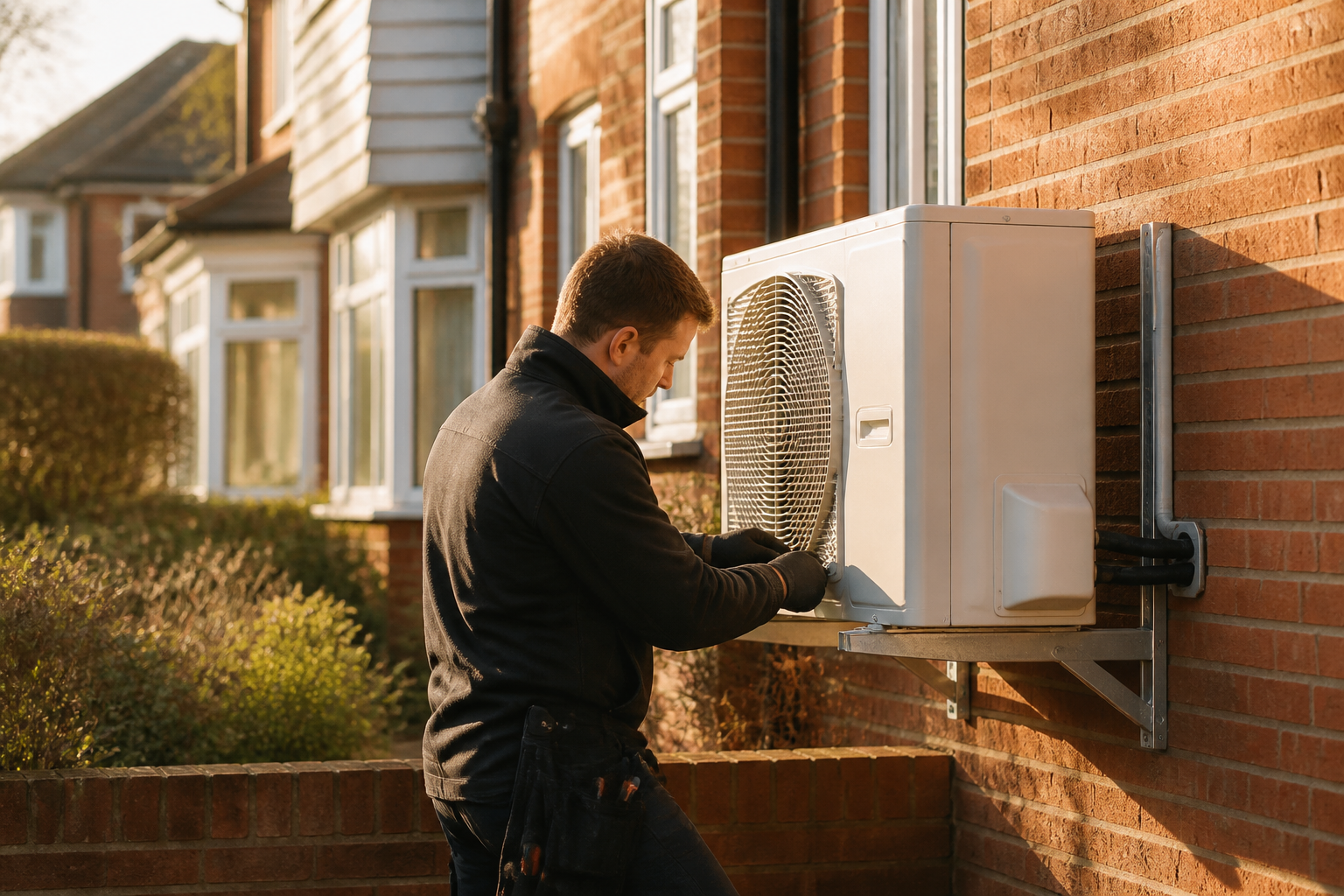
When central bank borrowing costs remain high, the economics of financing residential clean energy installations require careful evaluation. Most UK homeowners fund solar PV arrays, home batteries, and heat pump installations using personal loans, green mortgage top-ups, remortgaging, or consumer finance. Sustained interest rates keep monthly debt repayments higher, which can extend the time needed for energy bill savings to fully clear initial capital outlay.
However, elevated wholesale and retail energy prices work in the opposite direction for overall project payback periods. When grid electricity and gas tariffs rise, the monetary value of every kilowatt-hour generated by rooftop solar panels or offset by an efficient heat pump increases proportionately. For example, a domestic solar and battery storage system that generates 3,500 kilowatt-hours of usable power per year delivers significantly higher annual savings when electricity is priced higher per unit.
| Technology | Primary Capital Driver | Savings Impact from High Energy Prices | Financing Sensitivity | Standard UK Approvals |
|---|---|---|---|---|
| Rooftop Solar PV | Panel hardware and inverter sizing | High, directly offsets expensive daytime grid power | Moderate, mitigated by annual energy bill cuts | G98 Grid Notification, MCS |
| Home Battery Storage | Battery cell chemistry and capacity | High, enables off-peak charging and peak avoidance | High, reliant on tariff spread predictability | PAS 63100, BS 7671 |
| Air Source Heat Pump | Sizing, pipework, and radiator retrofits | High when replacing direct electric or inefficient boilers | Moderate, supported by upfront £7,500 BUS grant | MCS, Building Regs Part L |
| Plug-in Balcony Solar | Compact microinverter and panel kit | Direct displacement of household baseload power | Very low, minimal upfront capital required | G98 Notification |
Homeowners evaluating energy upgrades in 2026 must balance borrowing costs against exposure to volatile grid tariffs. Utilizing capital grant support and securing competitive loan terms can help lock in predictable energy costs regardless of monetary policy decisions.
What this means for your home
For individual householders, the central bank warning underlines the risk of waiting indefinitely for interest rates to fall before carrying out energy efficiency work. Delaying planned upgrades risks prolonged exposure to high winter energy bills if wholesale fuel markets remain volatile.
If you are planning residential energy improvements this year, practical steps include:
- Audit existing financing options. Compare standard personal loans against green mortgage top-ups offered by major UK lenders, which frequently feature lower interest rates or cash incentives for homes achieving higher Energy Performance Certificate bands.
- Check grant funding criteria. In England and Wales, the Boiler Upgrade Scheme provides a £7,500 upfront grant for qualifying air source and ground source heat pump installations, substantially reducing the total capital requiring commercial financing.
- Pair technology with dynamic tariffs. Combining rooftop solar panels or home battery storage with smart time-of-use tariffs allows householders to maximize self-consumption and store low-cost off-peak power overnight.
- Focus on fabric efficiency first. Secondary glazing, loft insulation, and draught-proofing carry modest capital requirements, deliver immediate comfort improvements, and reduce total heating energy demand irrespective of central bank rate moves.
What this means for employers
For HR directors, reward managers, and benefits leaders, macroeconomic developments directly influence workforce financial wellbeing. With high interest rates maintaining elevated borrowing costs and energy market fluctuations threatening winter household budgets, employees are actively looking for practical ways to manage fixed living expenses.
While traditional benefit packages often focus on wellness programs or generic retail discounts, energy efficiency initiatives provide direct, long-term support against rising baseline bills. Providing structured pathways for staff to upgrade their homes helps build financial resilience across the workforce.
Through the Net Zero Home Scheme, employers can give employees member pricing on solar, heat pumps, battery storage, and plug-in solar installed by accredited installers across England, Scotland, and Wales. The scheme involves zero cost to the employer, no salary sacrifice, and no payroll deductions, offering an accessible route for staff to improve home energy security while supporting broader corporate net zero and social responsibility goals.
Frequently asked questions
Will interest rate holds make home energy loans cheaper?
A central bank rate hold keeps benchmark interest rates stable rather than lowering them. Commercial lenders set consumer mortgage and personal loan rates based on market expectations. Until the Bank of England formally cuts the base rate, borrowing costs for home energy improvements are expected to remain around current levels.
How do rising energy prices affect solar panel payback periods?
When retail electricity tariffs increase, every kilowatt-hour of power generated by a home solar array saves more money on utility bills. Higher grid energy rates shorten overall payback periods, helping offset the interest costs associated with financing the initial equipment.
Should I delay installing a heat pump until interest rates fall?
Delaying an installation leaves households exposed to high seasonal heating bills if gas tariffs remain elevated. Furthermore, government incentives such as the £7,500 Boiler Upgrade Scheme grant absorb a major portion of heat pump capital costs, reducing reliance on personal borrowing.