Guardian Analysis Details UK Gas Grid History and Heat Pump Shift
An analysis published in The Guardian examines how 20th-century gas infrastructure shapes the UK heat pump transition and home energy retrofits.
- Written by
- Net Zero Home Scheme editorial team
- Last updated
- Topic
- heat pumps, energy efficiency, policy
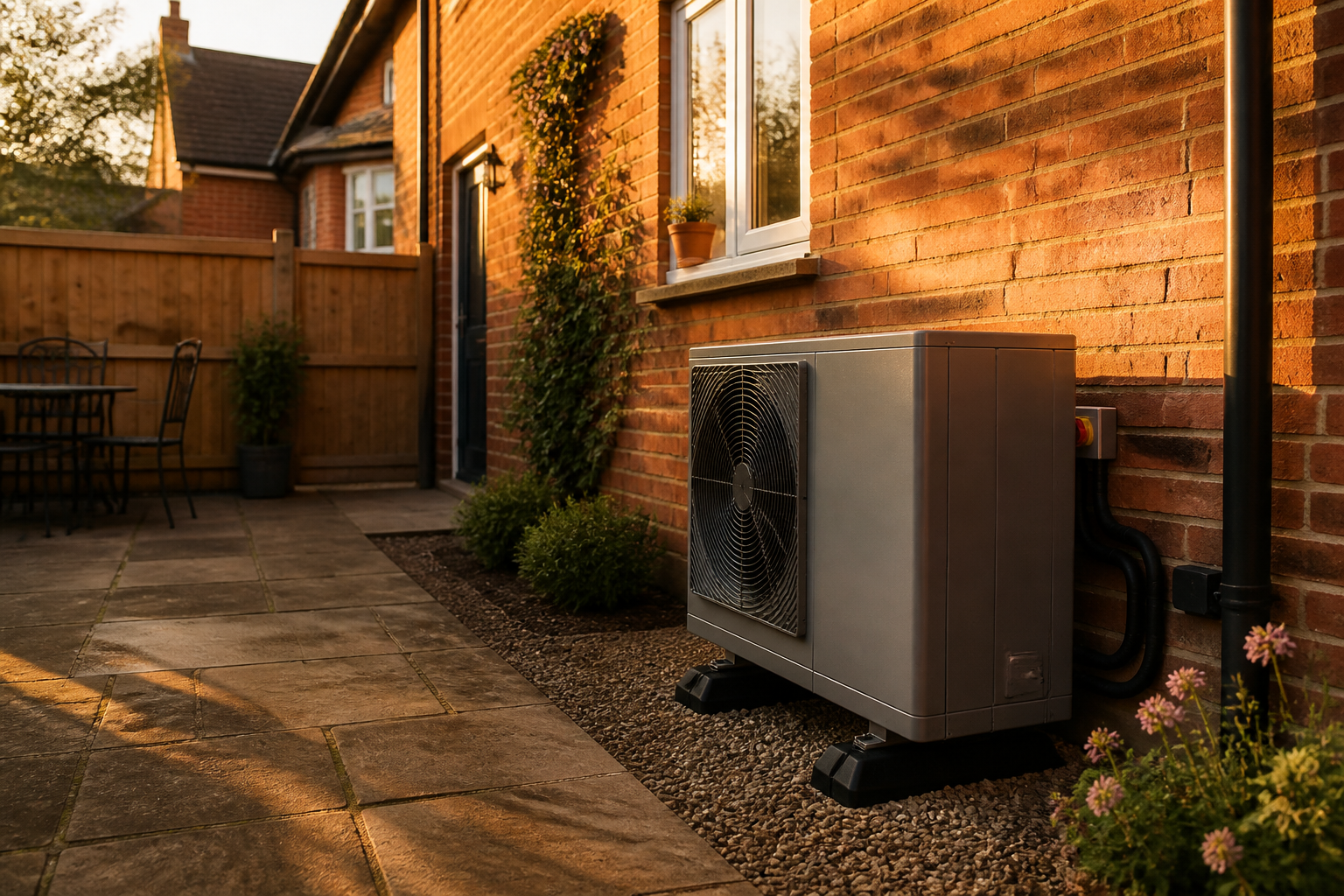
On 2 September 2026, The Guardian published an energy infrastructure analysis by historian Arthur Downing examining the deep structural origins of the UK domestic heating system. The report details how mid-twentieth-century state expansion established natural gas boilers across nearly 90 percent of British housing, and outlines why transitioning modern properties to electric heat pumps involves complex street-level infrastructure factors alongside simple household appliance upgrades.
The published analysis clarifies that replacing fossil fuel gas heating across England, Scotland, and Wales is not merely a retail choice for individual homeowners. Instead, the transition relies heavily on local electrical grid capacity, distribution network operator approvals, and low-temperature hydronic system design. Importantly, the analysis does not announce new regulatory mandates, alter current planning permissions, or change existing financial support schemes such as the Boiler Upgrade Scheme.
What the numbers say
According to the historical and market data published by The Guardian on 2 September 2026, the structural baseline of UK domestic heating includes several distinct operational figures:
- Over 80 percent of UK residential properties depend directly on natural gas boilers for space heating and domestic hot water (The Guardian, 2 September 2026).
- During the national conversion from town gas to natural gas between 1967 and 1977, state-coordinated engineering teams converted over 13 million properties across Great Britain in under ten years (The Guardian, 2 September 2026).
- Current electric heat pump installations average approximately 30,000 to 40,000 units annually across Great Britain, compared to roughly 1.5 million replacement gas boilers fitted each year (The Guardian, 2 September 2026).
- Local low-voltage electrical distribution networks in suburban areas often require substation and transformer upgrades when local heat pump density exceeds 20 to 30 percent without active smart load management (The Guardian, 2 September 2026).
The table below contrasts the technical characteristics of the mid-century gas network rollout with the requirements of today's residential heat pump transition, based on the dataset published by The Guardian on 2 September 2026.
| Metric or Feature | 20th-Century Gas Conversion | 21st-Century Heat Pump Transition |
|---|---|---|
| Primary Energy Source | Methane (Natural Gas) | Electricity (Grid, Solar PV, Storage) |
| Rollout Model | Coordinated Street-by-Street | Decentralised Household Retrofits |
| Standard Flow Temperature | 60°C to 70°C | 35°C to 55°C |
| Critical Grid Asset | Low-Pressure Gas Mains | Substation Fuses & Consumer Units |
| Key Technical Standard | Flame Safety & Ventilation | Heat Loss (BS EN 12831) & MCS 020 |
Why historical gas dominance affects modern heating installs
As Downing reported in The Guardian on 2 September 2026, British homes were historically fitted with small radiators engineered for high flow temperatures of 60°C to 70°C. Gas boilers deliver quick bursts of intense heat, compensating for poor loft or cavity wall insulation.
Electric heat pumps operate on a different physical principle. They achieve their highest efficiency, measured as a Seasonal Coefficient of Performance (SCOP) between 3.0 and 4.0, when circulating water at lower flow temperatures of 35°C to 45°C. To achieve equal thermal comfort at low flow temperatures, a property requires either larger radiator surface areas, fan-assisted hydronic units, or upgraded insulation to reduce peak heat loss.
Electrical service heads and distribution network approvals
Transitioning a home from gas to electric heating increases peak electrical demand. A standard domestic heat pump draws between 2kW and 4kW of electrical power during cold weather startup. When added to existing household loads such as electric ovens, induction hobs, and electric vehicle chargers, total demand can approach the limit of an older 60-ampere main electrical fuse.
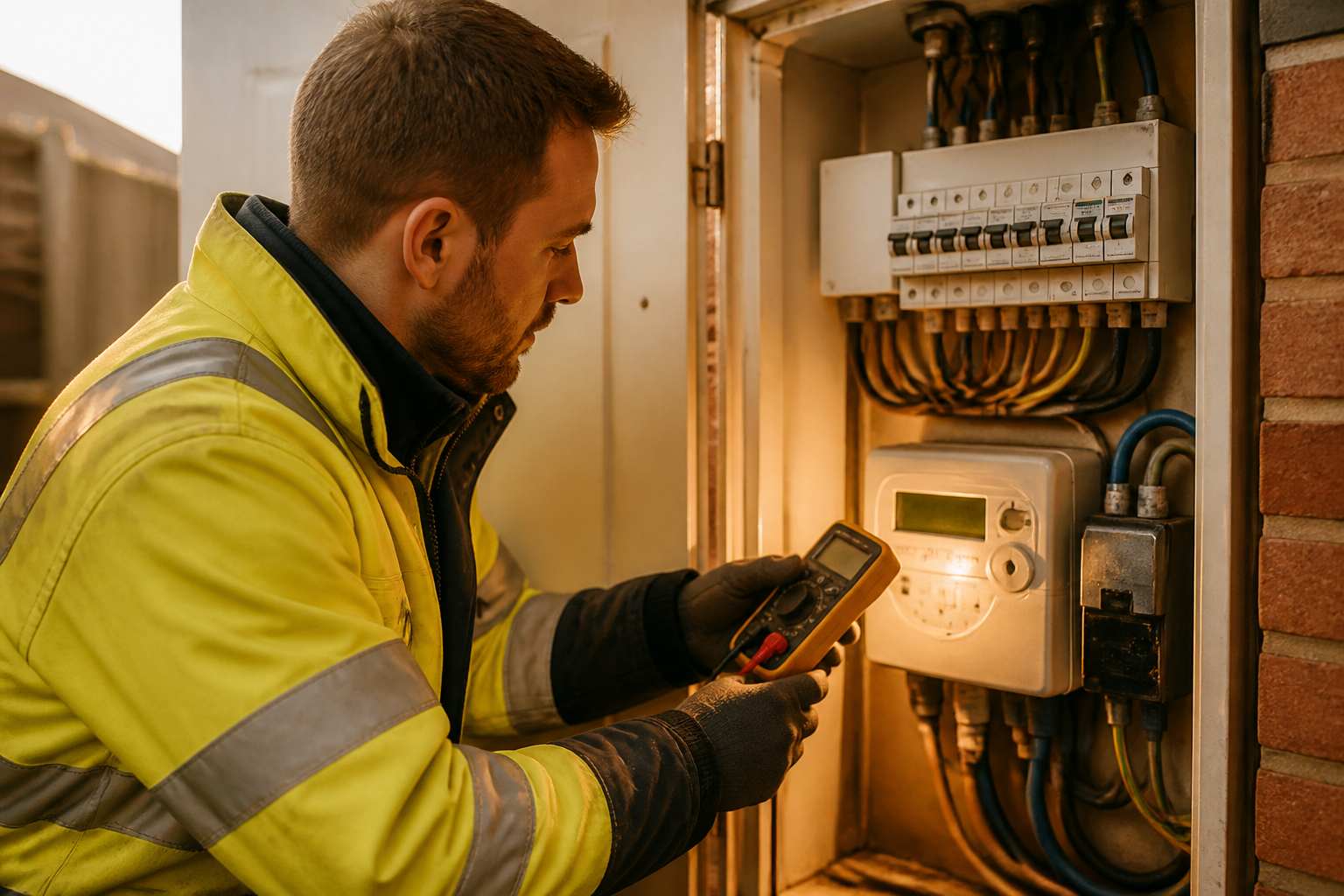
Installers working to Microgeneration Certification Scheme (MCS) standards must verify the property main service head fuse before installation. Under Distribution Network Operator (DNO) regulations, systems under 16 amperes per phase fall under G98 notification rules, allowing connect-and-notify procedures. Systems exceeding this threshold require prior G99 approval, which can take several weeks if local network reinforcement is needed.
What this means for your home
If you are planning home energy upgrades or considering replacing an aging gas boiler, Downing analysis in The Guardian on 2 September 2026 highlights several practical factors to evaluate before committing to a system design:
- Conduct a full room-by-room heat loss calculation in accordance with BS EN 12831 standards rather than relying on standard boiler sizing shortcuts.
- Inspect your electrical consumer unit and service fuse. Upgrading an older 60A fuse to an 80A or 100A supply through your Distribution Network Operator is often straightforward, but should be arranged early in the planning process.
- Evaluate radiator dimensions and pipework. Many homes can run heat pumps efficiently by replacing radiators in main living spaces while retaining standard pipework in secondary zones.
- Consider technology stacking. Combining a heat pump with rooftop solar PV and domestic battery storage helps buffer peak electrical loads, lowering grid reliance during expensive peak tariff hours.
What this means for employers
For HR directors, reward managers, and sustainability leads, the structural details highlighted in The Guardian reporting on 2 September 2026 illustrate the growing financial and operational complexity employees face when trying to lower home energy running costs.
As volatile wholesale gas markets continue to impact retail energy tariffs, staff are increasingly seeking practical ways to reduce utility bills through home electrification. Providing objective, accredited routes for employees to assess and install clean energy hardware has become a high-value workplace benefit.
Employers can address this need through the Net Zero Home Scheme, delivered by Net Zero Benefits alongside The Electric Car Scheme. The scheme provides employees with member pricing on MCS-accredited solar, heat pump, battery storage, and plug-in solar installations across England, Scotland, and Wales at zero cost to the business, with no salary sacrifice and no payroll deductions.
Frequently asked questions
Does the analysis mean gas boilers are being banned immediately?
No. Downing reporting in The Guardian on 2 September 2026 focuses on historical and structural factors. There is no immediate ban on operating existing gas boilers or fitting like-for-like gas replacements in existing homes. Future construction regulations, such as the Future Homes Standard, govern new-build properties rather than existing housing stock.
Will every heat pump installation require a main fuse upgrade?
Not every property requires an electrical service upgrade. Many modern heat pumps feature inverter-driven compressors with low starting currents that operate safely on existing 60A or 80A fuses. Your installer will check the total maximum demand and submit the required G98 or G99 paperwork to your DNO during the site survey.
How does heat pump running efficiency compare to a gas boiler?
A modern condensing gas boiler converts natural gas into heat at roughly 85 to 92 percent efficiency. A modern heat pump operating at low flow temperatures extracts ambient energy from outdoor air, delivering three to four units of heat for every unit of electricity consumed (an SCOP of 3.0 to 4.0). Running cost parity depends on the ratio between domestic electricity and gas unit rates.