Smart Meter Network Handed to Non-Profit After DCC Licence Ends
Non-profit organisation assumes control of Britain's 39m smart meters, improving data reliability for smart energy tariffs and home batteries following recent Budget updates.
- Written by
- Net Zero Home Scheme editorial team
- Last updated
- Topic
- tariffs, battery storage, home energy
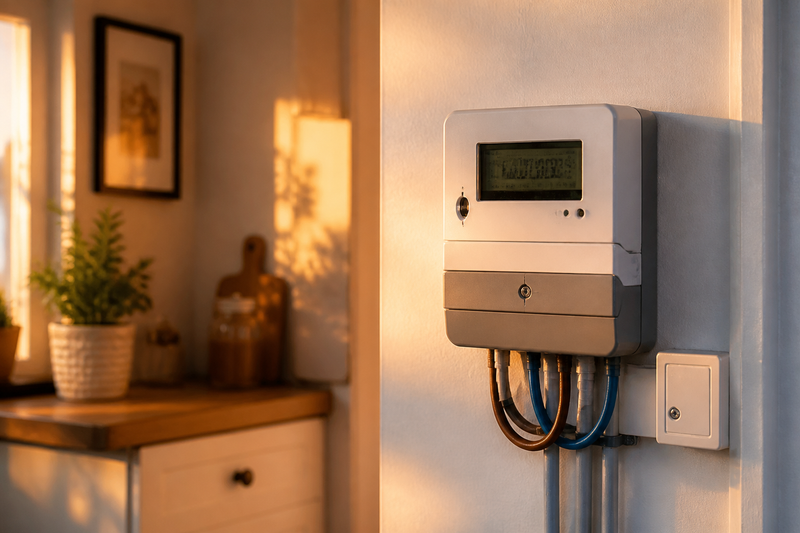
Will the new management of Britain's smart meter network finally deliver the reliable data needed to make dynamic energy tariffs work for everyday households? Control over Great Britain's 39 million smart meters has officially transferred from Capita subsidiary Smart DCC to a non-profit organisation, as reported by The Guardian on 2 November 2026. The handover concludes a 13-year commercial licence that suffered from technical delays, signal dropouts, and rising operational costs across the national communication grid.
Following the fiscal measures set out in our full Budget 2026 guide, this operational reset is intended to establish a more dependable infrastructure for domestic energy data. For UK householders, consistent meter connectivity is essential to access off-peak electricity rates and maximise the financial return of home energy investments. For HR and reward leaders, reliable smart grid infrastructure provides a stronger foundation for workplace financial wellbeing benefits designed to ease employee living costs.
Smart Meter Tariff Options Compared
To make full use of smart meter communications, householders can choose between several tariff structures. The table below compares how different tariff models rely on smart meter connectivity and their potential impact on household energy expenses.
| Tariff Model | Smart Meter Requirement | Off-Peak Savings Potential | Primary Infrastructure Dependency |
|---|---|---|---|
| Standard Flat Rate | Not required (manual readings accepted) | Zero off-peak price variation | Direct exposure to baseline unit rates |
| Static Time-of-Use | Functional smart meter required | 30% to 50% lower overnight rates | Fixed schedules may not reflect live grid demand |
| Dynamic Half-Hourly | Continuous half-hourly data feed | Up to 70% lower during surplus hours | Uninterrupted smart meter data communication |
Which Smart Tariff Setup Matches Your Household Energy Patterns?
Standard flat-rate tariffs suit households without energy storage capability, where electricity usage is distributed evenly throughout the day. Under standard flat rates, you pay a consistent price per kilowatt-hour (kWh) regardless of national grid demand. This structure protects you from short-term wholesale market spikes but provides no mechanism to lower costs by shifting appliance use to quiet grid periods.
Static time-of-use tariffs suit households with predictable overnight energy demands, particularly homes with an electric vehicle or a domestic battery. These tariffs offer a fixed, cheaper window, typically between midnight and 5:00 AM, allowing automated equipment to charge at lower unit rates. Because the off-peak hours are fixed, your household does not need complex automation software to take advantage of reduced prices.
Operational Impacts for Domestic Energy Storage and Solar
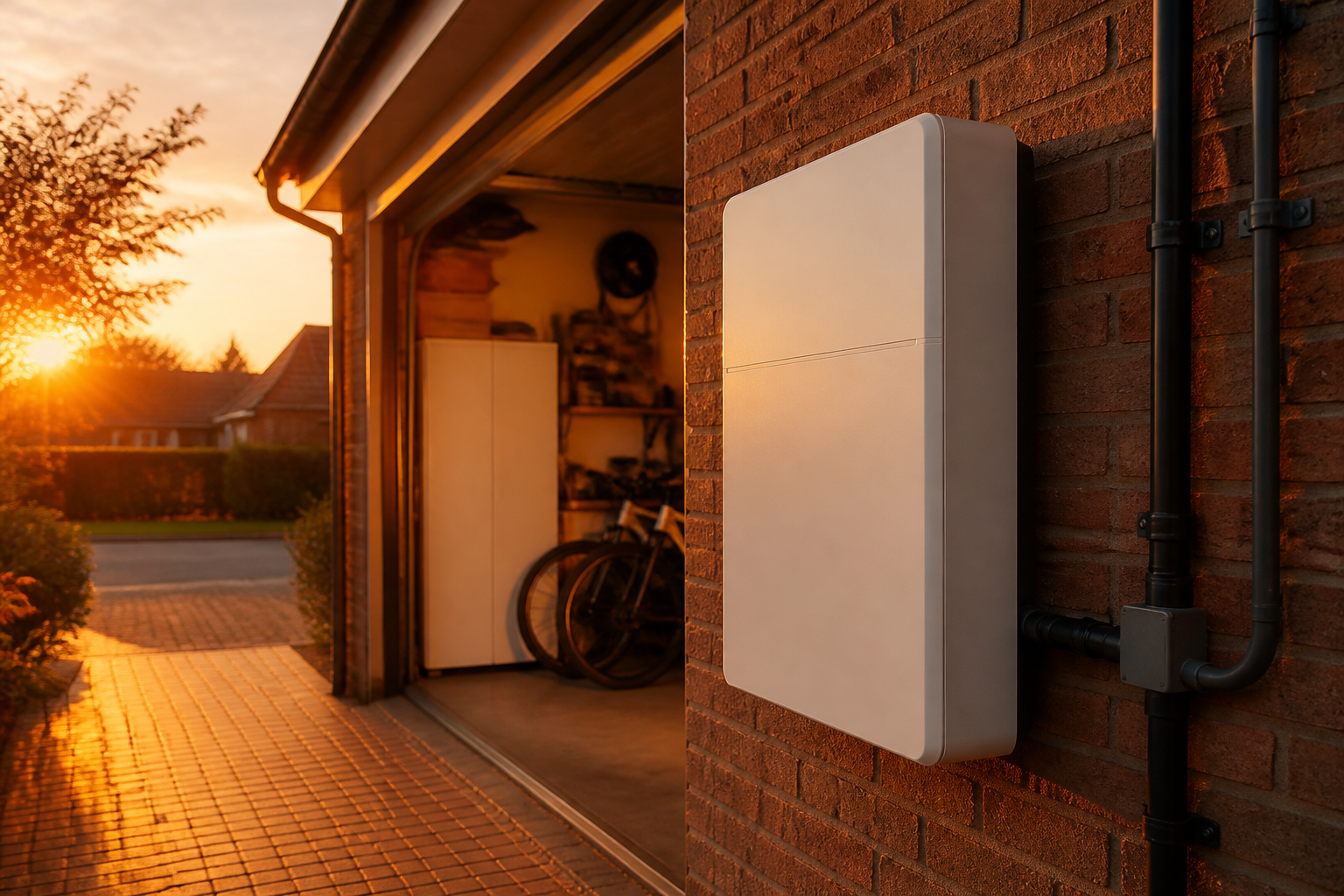
The transition of smart meter management to a non-profit entity addresses long-standing frustration over signal dropouts. Data published by energy sector regulators indicates that millions of smart meters historically operated in traditional dumb mode due to network failures, preventing householders from switching to flexible tariffs.
For householders who store the sunshine for the evening, uninterrupted half-hourly meter readings are essential. A domestic system combining rooftop solar panels with a 10 kWh storage unit achieves optimal financial performance by charging from off-peak grid electricity during winter months when solar generation is low. If meter connectivity drops, suppliers cannot verify half-hourly consumption, forcing households onto default standard rates of roughly 24.5p per kWh rather than off-peak rates of 7p to 9p per kWh.
Reliable meter communications also affect export compensation under the Smart Export Guarantee (SEG). MCS-certified installations require functional smart meters to log the precise half-hour periods when excess solar electricity feeds back into the local distribution network. Improved network uptime ensures export payments are calculated accurately, protecting expected payback timelines for domestic clean energy projects.
Practical Considerations for Workplace Reward and Benefits Teams
HR and reward leaders face growing demand for workplace benefits that reduce employee household expenses without burdening corporate operational budgets. As energy costs remain a key driver of household spending, employees increasingly value employer support that helps manage everyday utility bills.
When evaluating workforce financial wellbeing strategies, reward teams must balance administrative feasibility against employee impact. Benefit structures that rely on payroll deductions or complex salary sacrifice arrangements require ongoing HR administration and tax reporting. Furthermore, upcoming payroll updates, such as mandatory payrolling of benefits from April 2027 and the increase in the National Living Wage to £13.21 per hour, make HR teams cautious about adding new payroll complexity.
To help staff manage home energy costs without taking on payroll administration or financial risk, employers can partner with established benefit platforms. Through The Net Zero Home Scheme, employers give staff access to member pricing on solar panels and a battery, installed by accredited professionals across England, Scotland, and Wales. The benefit is completely free for employers to introduce, involves no salary sacrifice or payroll changes, and enables employees to lower their home power bills through self-generation and storage.