UK Household Energy Debt Hits Record £6bn in 2026
British household energy debt reached a record £6 billion at the end of June 2026, with forecasts predicting it could hit £7 billion by the end of the year.
- Written by
- Net Zero Home Scheme editorial team
- Last updated
- Topic
- energy bills, tariffs, home energy
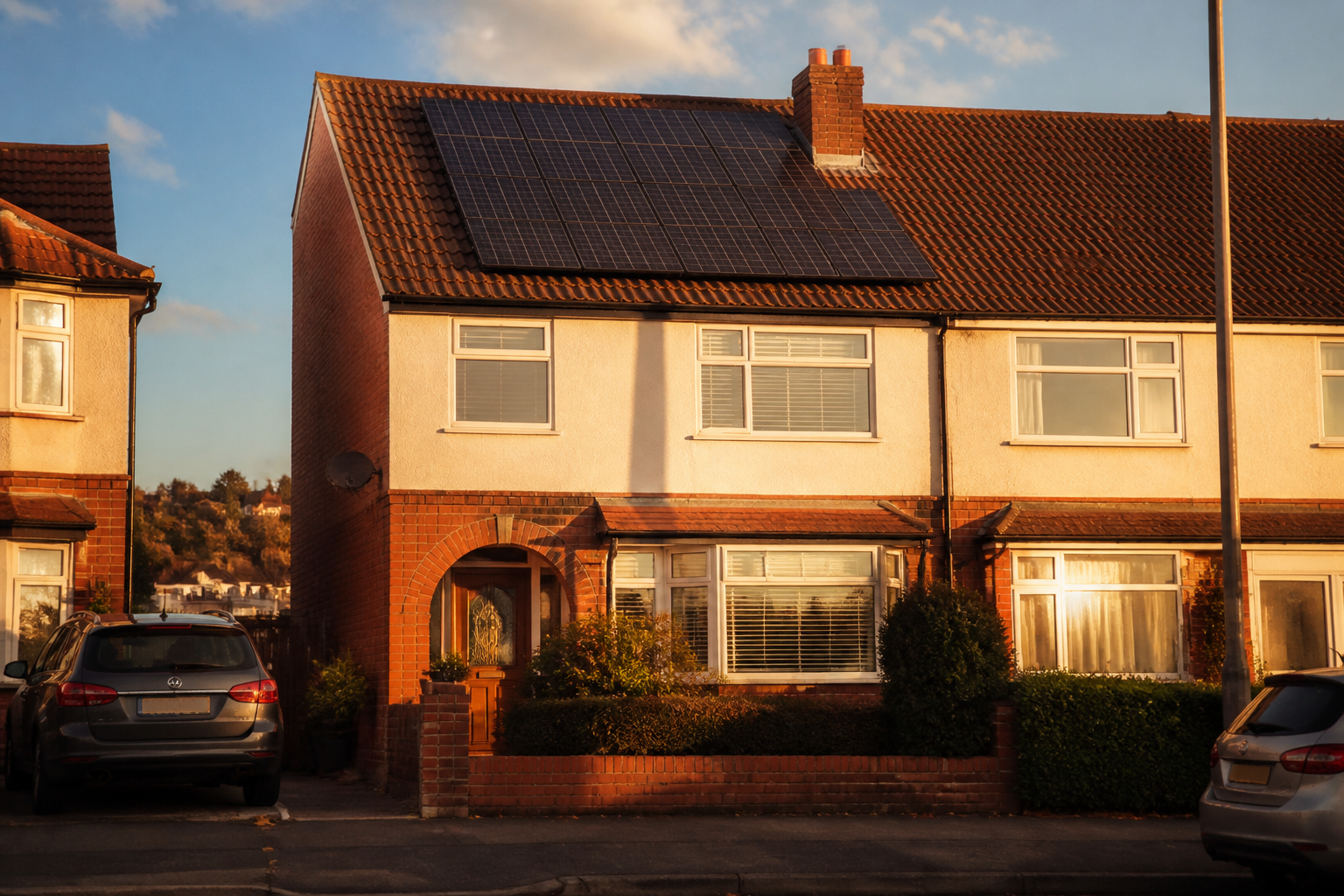
Domestic energy debt in Great Britain reached a record high of £6 billion at the end of June 2026, with industry projections indicating total customer arrears could escalate to £7 billion by the end of the year. The statistics, reported by The Guardian on 27 August 2026, highlight the ongoing strain on household finances caused by elevated wholesale gas and electricity prices following geopolitical instability in the Middle East.
The accumulation of unpaid utility debt reflects broader cost of living pressures across England, Scotland, and Wales. As households prepare for autumn and winter heating demand, energy market analysts warn that persistent debt balances are restricting consumer choice, leaving millions of homes reliant on standard variable tariffs with limited capacity to absorb upcoming bill adjustments.
What the numbers say
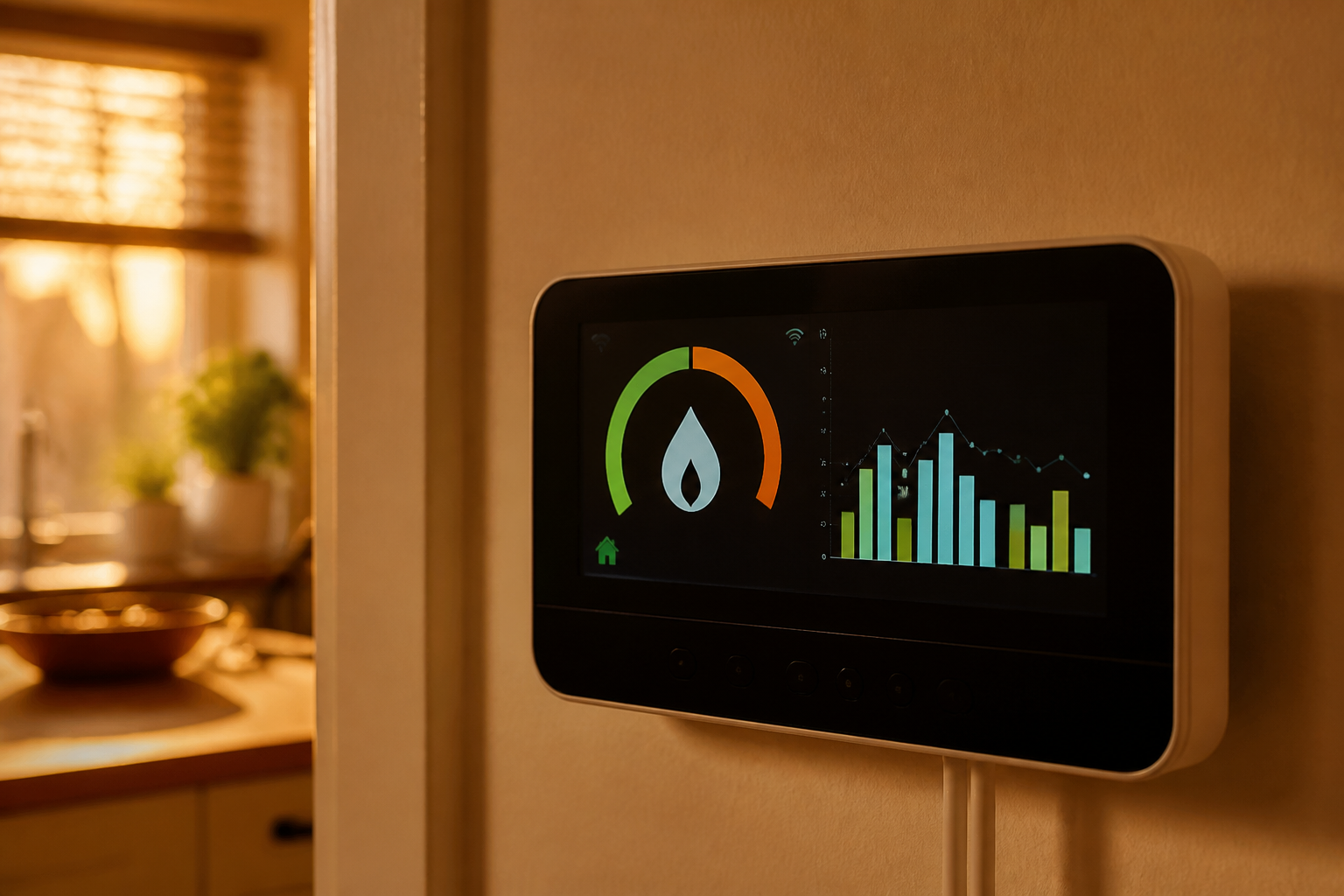
Figures published by energy sector analyst reports and reported by The Guardian on 27 August 2026 illustrate the trajectory of domestic utility arrears across Great Britain:
- £6.0 billion: Total debt owed by domestic consumers to GB energy suppliers at the end of June 2026.
- £7.0 billion: Forecasted total domestic energy debt by December 2026 under current price trajectories.
- £1.0 billion: Projected increase in aggregate household arrears over the second half of 2026.
| Market Metric | Reported Figure | Source & Date | Practical Impact on Homeowners |
|---|---|---|---|
| Total GB Household Energy Debt | £6.0 billion | The Guardian, 27 August 2026 | Record debt levels across Great Britain as of June 2026 |
| Projected Year-End Energy Debt | £7.0 billion | The Guardian, 27 August 2026 | Expected winter expansion of arrears due to seasonal demand |
| Typical Annual Solar Yield | 3,200 to 4,200 kWh | Microgeneration Certification Scheme, 2026 | Offsets peak daytime electricity import costs directly |
| Standard Heat Pump Efficiency | 3.5 to 4.0 SCOP | Building Regulations Part L, 2026 | Delivers 3.5 to 4 kWh of heat per kWh of electricity |
The data shows that while energy suppliers have implemented hardship funds and repayment frameworks, underlying energy costs continue to outpace income growth for millions of domestic account holders.
Why energy debt is continuing to build
Retail energy prices in Great Britain remain significantly above pre-2021 historical baselines. While wholesale market spikes have softened compared to extreme peaks, global supply chain disruptions and geopolitical conflicts continue to floor wholesale gas prices at elevated levels. Because natural gas fired power stations frequently set the marginal clearing price for British electricity generation, high gas costs translate directly into elevated unit rates for home electricity.
Standing charges also contribute to persistent bill pressure. Fixed daily charges cover grid maintenance, supplier failure recovery costs, and social scheme obligations regardless of energy volume consumed. For low-volume energy users, standing charges account for a disproportionate share of monthly utility expenditure, preventing households from fully controlling costs simply by turning down thermostats or reducing grid usage.
Furthermore, households entering the heating season with pre-existing account debt face structural challenges. When account balances are in deficit, suppliers often restrict access to competitive fixed-rate tariffs or smart export tariffs, binding consumers to default standard variable pricing.
What this means for your home
For UK householders, rising energy debt across the market underscores the financial case for reducing reliance on imported grid energy. While tariff switching offers minor relief, physical home energy upgrades provide long-term insulation against unit rate fluctuations.
- Solar PV and Battery Storage: Generating electricity on-site directly displaces grid power charged at retail unit rates. A typical 4 kWp roof-mounted solar array generates approximately 3,400 kWh annually. When combined with a 5 kWh to 10 kWh home battery storage unit, self-consumption rates increase from around 30 percent to over 70 percent, reducing daily grid import dependency.
- Heat Pump Transitions: Replacing fossil fuel boilers or electric resistance heaters with an air source heat pump operating at a Seasonal Coefficient of Performance (SCOP) of 3.8 allows homes to generate nearly four units of space heating for every unit of electricity consumed. When paired with smart off-peak tariffs, running costs compare favourably to modern gas boilers.
- Plug-in Solar Systems: For homes with limited roof access or smaller budgets, plug-in balcony solar offers a lower-cost entry point to offset baseload daytime power usage, such as refrigeration and internet hardware.
- Capital Considerations: Home energy upgrades require upfront capital investment or suitable financing. While payback periods vary based on orientation, system sizing, and individual household consumption, generating self-produced power reduces vulnerability to energy market shocks.
Where reporting is incomplete, such as precise regional debt distribution figures across specific distribution network operator zones, householders should evaluate their local energy consumption profiles using smart meter interval data before making capital equipment investments.
What this means for employers
For human resources, reward, and benefit directors, record household energy debt highlights the financial pressure facing employees across the workforce. Rising domestic utility bills directly impact disposable income, employee stress levels, and overall workplace productivity.
Providing practical mechanisms for staff to control their home running costs has become a valuable component of modern employee wellbeing strategies. To address this demand without creating payroll overhead or tax complications, organisations can introduce scheme options such as the Net Zero Home Scheme, delivered by Net Zero Benefits alongside The Electric Car Scheme. The scheme provides employees with member pricing on accredited solar, heat pump, battery storage, and plug-in solar installations across England, Scotland, and Wales, with no cost to the employer, no salary sacrifice, and no payroll deductions.
By facilitating access to accredited installers working to Microgeneration Certification Scheme (MCS) and TrustMark standards, employers can help staff lower monthly utility bills while supporting corporate ESG objectives.
Frequently asked questions
How does energy account debt affect my ability to switch tariffs?
Suppliers may restrict switching to new fixed-rate tariffs if an account has been in arrears for more than 28 days. Settling outstanding balances or agreeing an official debt repayment plan with your current supplier is typically required before switching to a new tariff structure.
Does installing solar panels immediately stop energy bill debt?
Solar PV reduces the amount of electricity imported from the grid, directly lowering ongoing monthly bills. However, pre-existing debt balances owed to suppliers must still be paid according to your agreed payment plan.
What standards should I look for when installing home renewable equipment?
Ensure all installation work is completed by installers certified under the Microgeneration Certification Scheme (MCS) and registered with TrustMark or appropriate consumer codes such as RECC or HIES. This guarantees compliance with UK Building Regulations and electrical safety standards under BS 7671.