Industry Demands Market Reform Following Autumn Bill Increase
Energy sector leaders and consumer groups call for structural tariff reform following Ofgem's announcement of a four percent October price cap rise.
- Written by
- Net Zero Home Scheme editorial team
- Last updated
- Topic
- energy bills, policy, regulation
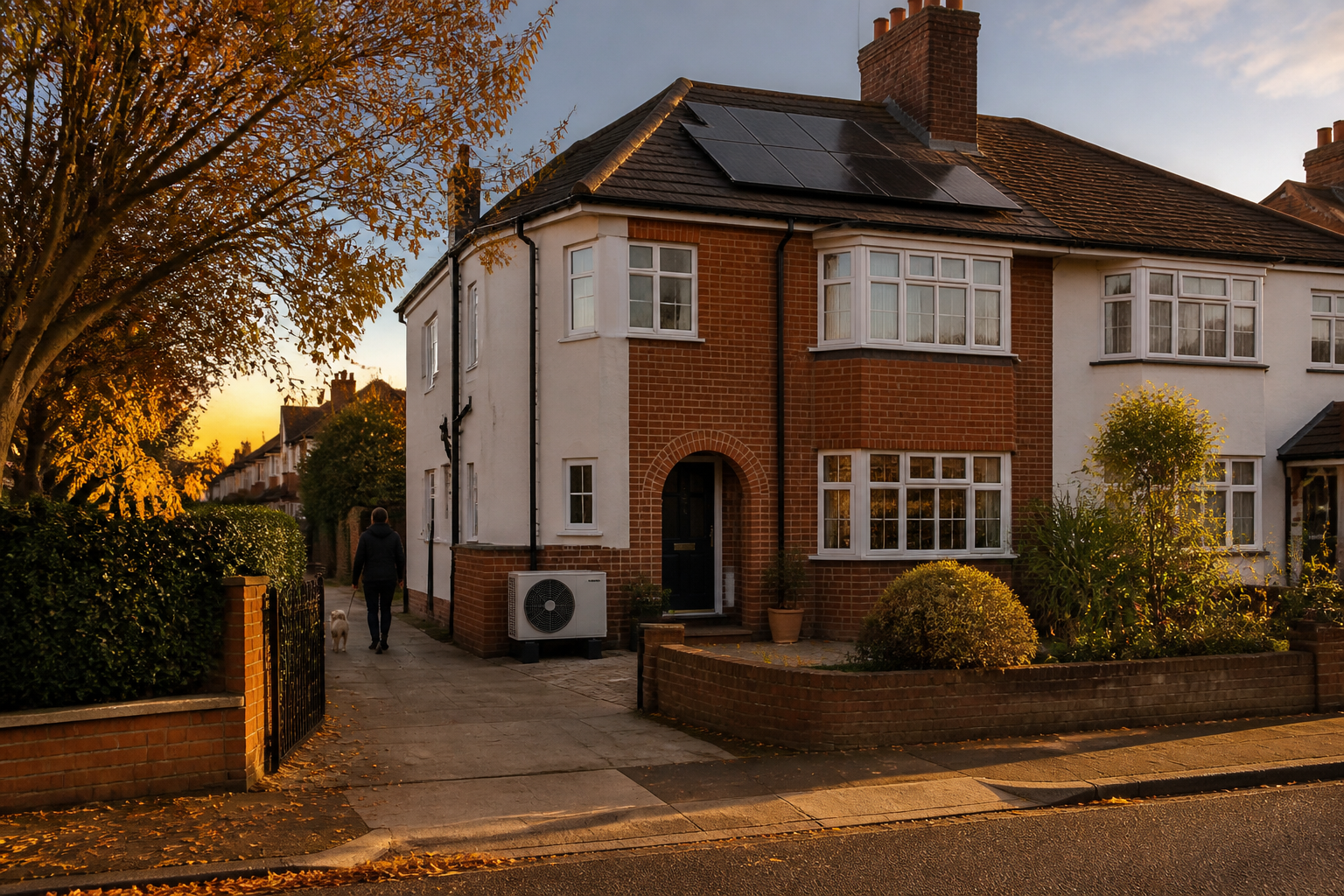
On 26 August 2026, UK energy sector organisations, green economy groups, and consumer advocates called for systemic reform of the UK domestic energy market following energy regulator Ofgem's announcement of a 4 percent increase in the energy price cap. As reported by edie on 26 August 2026 and BBC News on 26 August 2026, the price cap adjustment will push average dual-fuel household bills to a three-year high from 1 October 2026. Industry representatives warned that repeated price cap tweaks fail to address the root causes of high power prices, describing current policy interventions as patching a leaking pipe rather than fixing underlying market flaws.
The immediate trigger for the industry backlash was Ofgem's confirmation on 26 August 2026 that typical annual energy bills will rise by approximately £60 from October 2026. In response, campaign groups and clean energy stakeholders urged ministers and regulators to execute structural reforms, including uncoupling electricity prices from volatile natural gas markets, restructuring standing charges, and delivering targeted support for vulnerable households. On 27 August 2026, The Guardian reported that the government has proposed a reduction in domestic electricity Value Added Tax (VAT) from 5 percent to zero to offer partial respite, but energy analysts maintain that broader market mechanisms require systemic overhauls.
What the numbers say
The latest regulatory updates and market figures published between 26 August 2026 and 27 August 2026 highlight the magnitude of the upcoming bill adjustment:
| Metric or Announcement | Published Figure / Value | Source and Date |
|---|---|---|
| October 2026 Price Cap Increase | 4% rise in standard variable tariffs | Ofgem / BBC News (26 August 2026) |
| Annual Bill Increase for Typical Household | £60 per year increase | BBC News (26 August 2026) |
| Historical Context of October Bill Level | Three-year high for typical dual-fuel homes | edie (26 August 2026) |
| Proposed Electricity VAT Reduction | Cut from 5% to 0% | The Guardian (27 August 2026) |
These figures reflect standard variable tariffs governed by Ofgem's quarterly price cap mechanism. The data reported by BBC News on 26 August 2026 indicates that households with average energy consumption using direct debit will see annual bills rise from the current seasonal level to the higher cap threshold on 1 October 2026.
What the announcement changes and what it leaves untouched
Understanding what the price cap adjustment changes, and what it leaves untouched, is essential for planning household energy management.
What has changed
- Direct bill costs: Households on standard variable tariffs will face higher unit rates and standing charges starting 1 October 2026, adding an estimated £60 per year to typical combined gas and electricity bills, according to BBC News on 26 August 2026.
- Industry urgency: Energy policy groups and clean technology alliances have unified in calling for fundamental market restructuring rather than temporary caps, as reported by edie on 26 August 2026.
- Tax policy proposals: The government's proposed plan to lower domestic electricity VAT from 5 percent to zero aims to directly lower power unit costs once implemented, according to The Guardian on 27 August 2026.
What remains unchanged
- Market pricing structure: Electricity wholesale pricing remains linked to marginal gas generation costs, meaning gas price volatility continues to dictate power pricing across Great Britain.
- Fixed standing charges: Fixed daily standing charges remain a mandatory component of standard dual-fuel tariffs, meaning households pay a fixed daily sum regardless of how little energy they consume.
- Grid connection constraints: Broader structural delays in grid connection and transmission infrastructure remain unresolved by short-term tariff cap decisions.
How wholesale mechanics dictate household bills
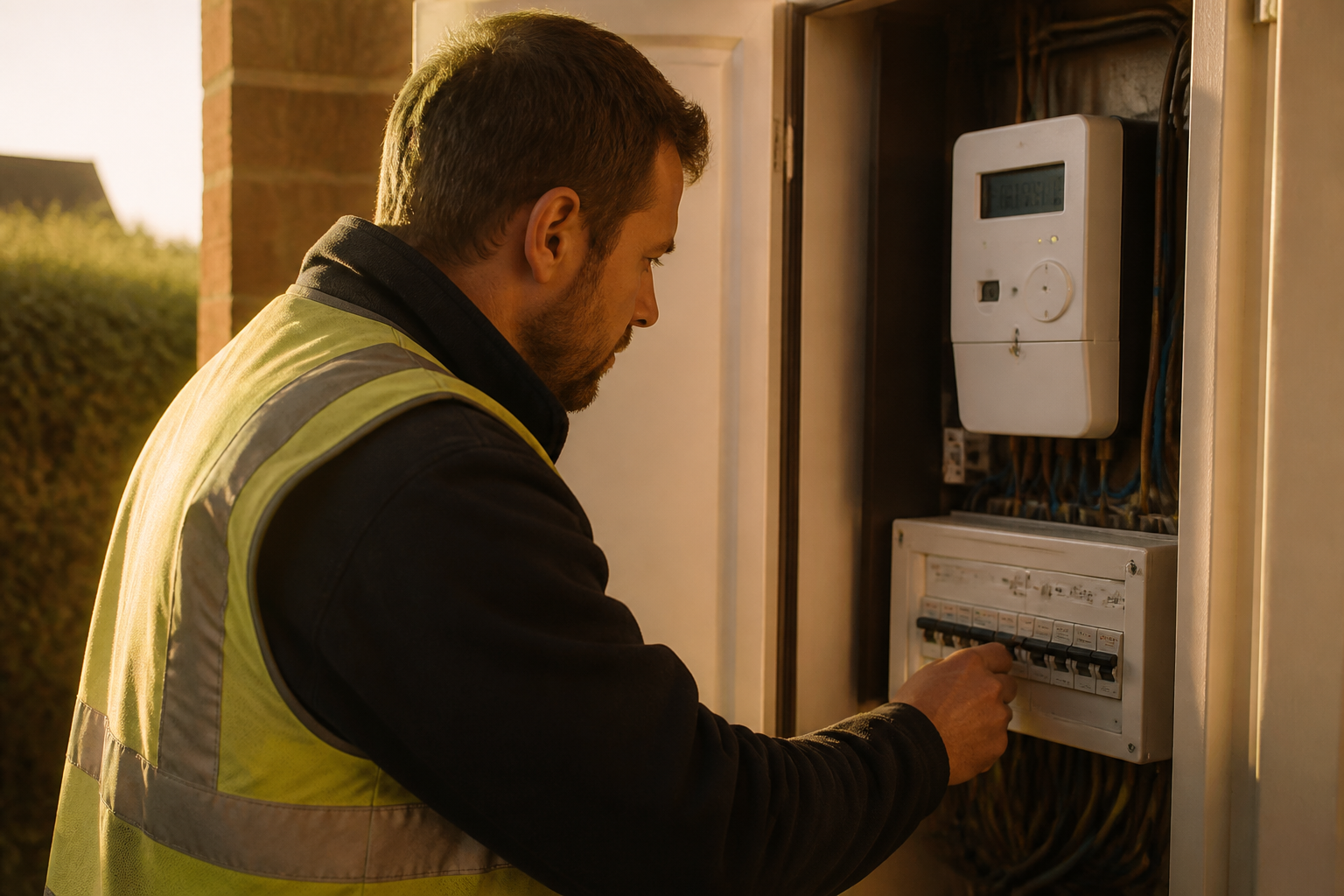
The debate reported by edie on 26 August 2026 highlights the structural flaw in how Great Britain's wholesale electricity market operates. Under the current marginal pricing model, the most expensive power generator required to meet national demand sets the wholesale price for all generators. Because natural gas power stations are frequently brought online to meet peak national demand, high gas prices inflate the wholesale price of electricity generated by low-cost solar, wind, and nuclear assets.
Furthermore, daily standing charges continue to draw criticism from energy advisors. Standing charges cover grid infrastructure maintenance, meter management, and supplier failure recovery costs. Because these costs are distributed as fixed daily fees, low-income homes and energy-conscious households pay a disproportionately high rate per unit of energy actually consumed. Industry stakeholders reported by edie on 26 August 2026 argue that shifting standing charge costs into volumetric unit rates, or funding them through general taxation, would immediately restore fairness and incentivise energy efficiency upgrades.
What this means for your home
For UK employees and householders, rising energy bills and ongoing regulatory debates underline the importance of proactive home energy management. While macro-level market reforms require legislative and regulatory timelines, householders can take concrete operational steps to mitigate energy price exposure.
Second, evaluate how clean technology reduces exposure to grid pricing. Installing rooftop solar PV combined with home battery storage allows households to generate and store low-cost power, shielding the property from rising unit rates and wholesale price shifts. Similarly, replacing fossil fuel heating with an efficient air source heat pump, operating at a Seasonal Coefficient of Performance (SCOP) between 3.0 and 4.0, translates electricity into three to four units of useful heat for every unit consumed.
Third, ensure your home baseline efficiency is optimised. Upgrading loft insulation to the standard recommended depth of 270mm, sealing draughts around doors and suspended floors, and installing modern thermostatic controls ensure generated heat remains inside the building envelope, directly lowering required kWh consumption.
What this means for employers
Rising home energy costs place directly measurable strain on employee financial wellbeing, particularly during autumn and winter months when heating demand peaks. As typical energy bills reach a three-year high following Ofgem's 26 August 2026 announcement, human resources, reward, and sustainability leaders are increasingly evaluating practical benefits that help staff reduce domestic operational overheads.
Providing employees with direct pathways to improve home energy efficiency serves as a high-impact, practical benefit. Through the Net Zero Home Scheme, employers can offer their staff member pricing on accredited solar PV, battery storage, heat pumps, and plug-in solar systems. Delivered alongside The Electric Car Scheme, the scheme is completely free for employers to implement, involves no salary sacrifice, and requires no payroll deductions, providing workforce value while supporting corporate carbon reduction targets.
Frequently asked questions
When does the new Ofgem price cap take effect?
The updated Ofgem price cap takes effect on 1 October 2026 and applies to standard variable energy tariffs across England, Scotland, and Wales, as confirmed by Ofgem and reported by BBC News on 26 August 2026.
Will the proposed VAT cut apply to both gas and electricity?
As reported by The Guardian on 27 August 2026, the government's announced plan specifically targets a reduction in domestic electricity VAT from 5 percent to zero, aimed at lowering power bills and supporting electrification.
How can households protect themselves against rising standing charges?
While daily standing charges are fixed by energy suppliers under Ofgem rules, households can minimise overall energy expenditure by maximising self-generated power through rooftop solar PV, using battery storage to shift grid consumption to cheaper off-peak hours, and improving thermal efficiency to lower total kWh usage.