Green Mortgage Cashback and Bank Energy Incentives in 2026
An analysis of bank cashback offers, retail energy incentives, and accreditation rules for UK home energy retrofits in August 2026.
- Written by
- Net Zero Home Scheme editorial team
- Last updated
- Topic
- energy efficiency, energy bills, heat pumps
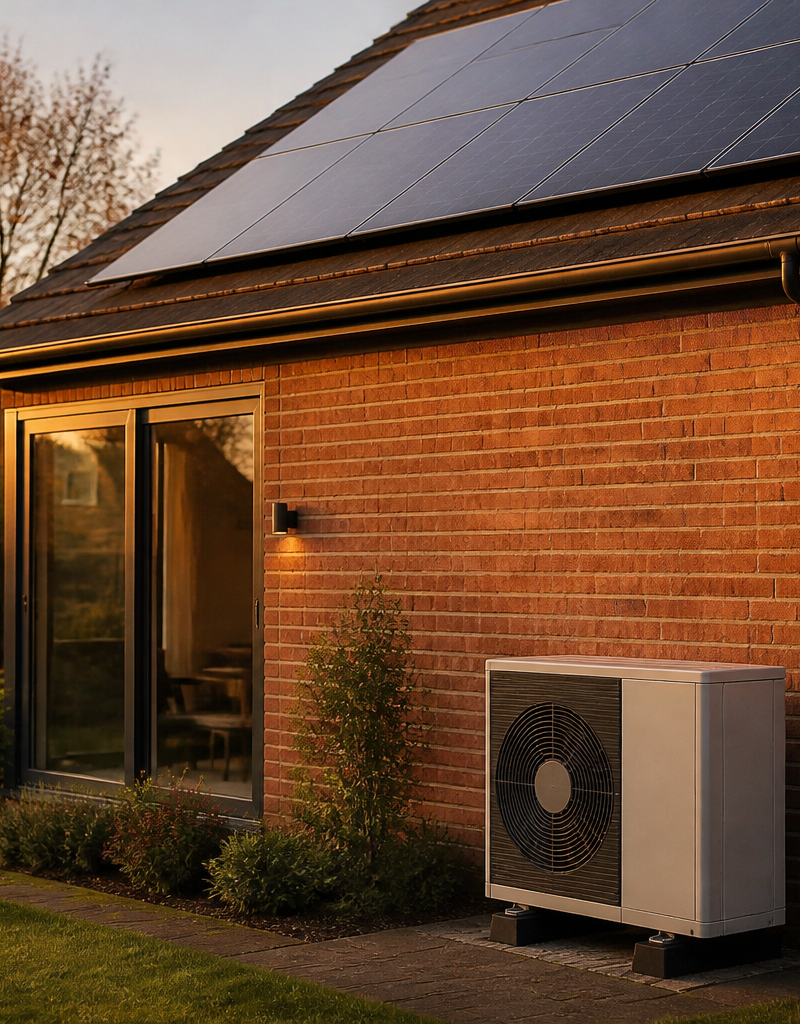
Financial incentives for domestic energy decarbonisation are expanding beyond direct government grants. On 6 August 2026, Business Green reported that Lloyds Banking Group has paid out over £6 million in cashback to mortgage customers installing energy efficiency measures, such as heat pumps, solar PV, and home insulation. This milestone highlights a growing trend among UK mortgage lenders to offer direct financial rewards for property improvements that raise Energy Performance Certificate (EPC) ratings or integrate renewable technologies.
Simultaneously, retail energy suppliers and off-grid heating analyses reflect shifting market dynamics. On 31 July 2026, AOL reported on E.ON offering incentives worth up to £600 for households adopting combined low-carbon technology installations. Furthermore, an analysis published by The Cool Down on 6 August 2026 indicated that for off-grid properties in England and Wales relying on heating oil, air source heat pumps are increasingly competitive on lifetime running costs when paired with clean technology incentives.
Understanding how these private financial products overlap with statutory funding, such as the Boiler Upgrade Scheme, requires examining accreditation standards, eligibility criteria, and operational rules.
How bank green cashback schemes operate
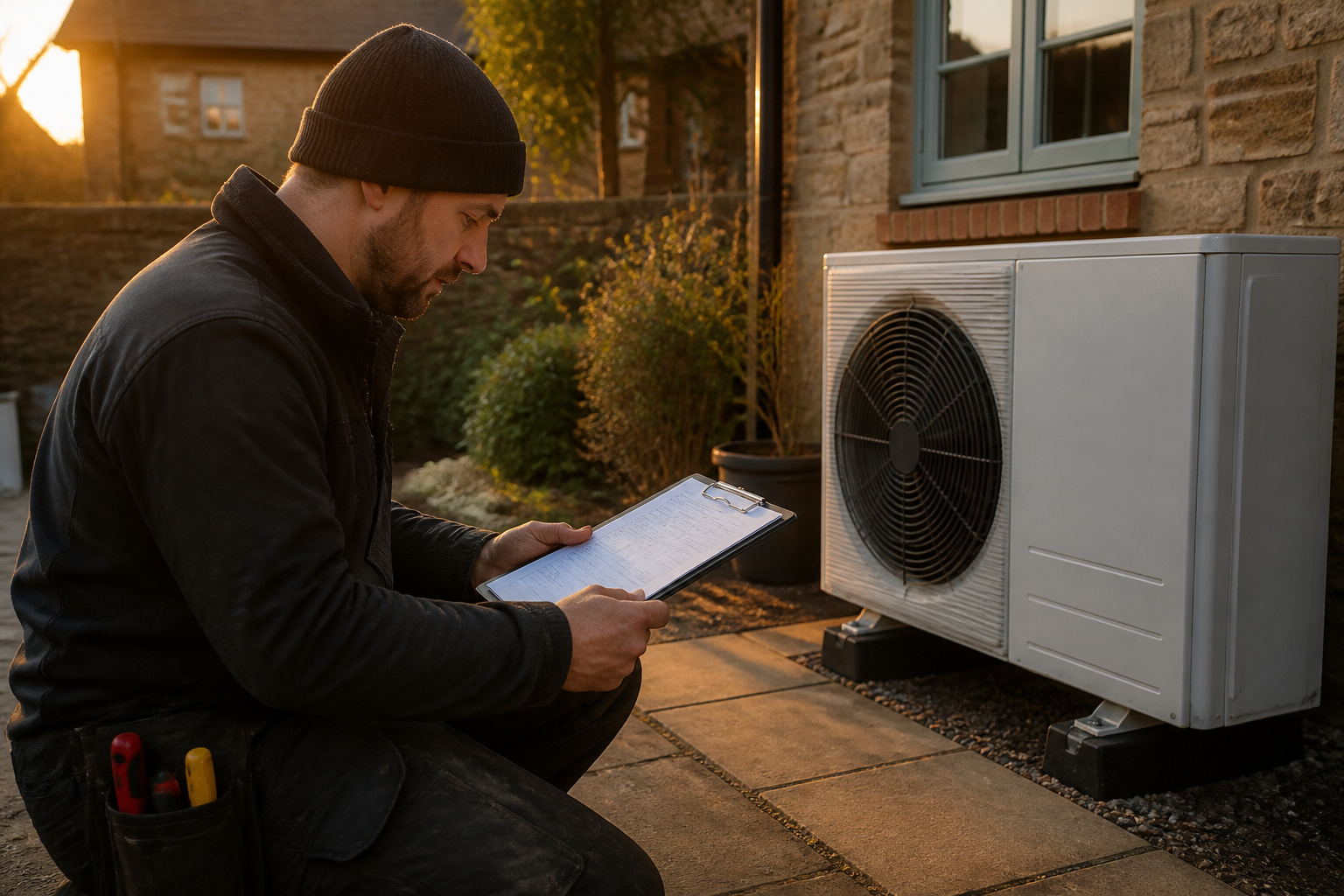
Green mortgage incentives generally take two forms: preferential interest rate products for purchasing energy-efficient homes (typically EPC band B or higher), or lump-sum cashback payments for retrofitting existing properties. Under retrofitting schemes, mortgage holders apply for a financial rebate after completing qualifying installations.
Lenders usually require specific documentation to verify that work meets quality and safety benchmarks. For low-carbon heating and electricity generation, banks standardly insist on Microgeneration Certification Scheme (MCS) documentation. For building envelope improvements, such as cavity wall, loft, or internal wall insulation, compliance with PAS 2030 standards or registration with TrustMark is typically mandated.
To secure cashback from a commercial lender, households generally must follow a structured verification process:
- Provide a pre-installation EPC to establish the property baseline.
- Contract an accredited installer registered with MCS, TrustMark, or an equivalent competent person scheme.
- Retain final completion certificates, MCS installation certificates, and detailed invoices.
- Submit an updated post-installation EPC if the financial reward depends on achieving a specific rating band improvement.
Combining commercial cashback with statutory grants
A common question for UK householders is whether private bank cashback can be combined with government support schemes. In Great Britain, bank cashback operates independently of state-funded capital grants, meaning householders can generally stack these incentives provided specific administrative rules are followed.
For heat pump retrofits, the primary government mechanism is the Boiler Upgrade Scheme (BUS), which provides an upfront grant of £7,500 across England and Wales for eligible air source and ground source heat pump installations. Because BUS is applied at the point of installation by an MCS-certified installer, the remaining balance paid by the homeowner constitutes private capital expenditure. Most bank cashback schemes accept this net self-funded amount as eligible expenditure for rebate claims.
Additionally, residential installations of solar panels, heat pumps, battery storage, and insulation currently benefit from a 0% VAT rate on energy-saving materials in England, Scotland, and Wales. This tax relief reduces upfront capital requirements before any bank cashback or provider incentive is applied.
Compliance and financial summary
Navigating the interaction between statutory grants, tax rules, and bank cashback requires reviewing eligibility criteria before signing contracts. The table below outlines the major incentive mechanisms available to UK property owners in August 2026.
| Incentive Type | Source | Typical Financial Benefit | Primary Accreditation Required | Key Verification Document |
|---|---|---|---|---|
| Boiler Upgrade Scheme (BUS) | Government Grant | £7,500 upfront discount | MCS Certified Installer | BUS Voucher / MCS Certificate |
| Green Mortgage Cashback | Commercial Lenders | £250 to £1,000 per measure | MCS or TrustMark | Paid Invoice & Certificate |
| Energy-Saving Materials VAT | Statutory Tax Policy | 0% VAT rate applied | Competent Person Scheme | Standard Itemised Invoice |
| Retail Energy Bundles | Energy Suppliers | Credits or tariff discounts | MCS / Approved Partner | Installation Verification |
Technical standards for qualifying installations
To ensure installations qualify for bank cashback and state support, equipment must adhere to rigid performance metrics. For air source heat pumps, system design must achieve a minimum Seasonal Coefficient of Performance (SCOP) set by heating regulations, typically 2.8 or higher. Proper heat loss calculations according to CIBSE Commissioning Code W standard are required to ensure correct sizing of heat exchangers and radiators.
For solar PV systems, inverters must comply with Distribution Network Operator (DNO) regulations under Engineering Recommendation G98 (for installations up to 16A per phase) or G99 (for larger capacities). Failure to obtain correct DNO notification or grid approval can invalidate both installation safety certifications and bank cashback applications.
For insulation retrofits, installers must comply with PAS 2035 rules to assess ventilation requirements and prevent condensation or damp issues. Lenders frequently cross-check installer credentials against national databases before disbursing green cashback funds.
What this means for you
If you are planning home energy retrofits in 2026, structuring your project to capture available commercial cashback alongside government grants can reduce net capital outlays. Begin by checking whether your current mortgage lender offers a green retrofit rebate, and review their exact documentation requirements before commencing work.
Always ensure that your chosen installer holds MCS accreditation for generation and heating technologies, or TrustMark registration for insulation work. Obtain itemised quotes detailing hardware specifications, design flow temperatures, and compliance guarantees.
For employees whose employers participate in workplace benefit schemes, the Net Zero Home Scheme, delivered by Net Zero Benefits alongside The Electric Car Scheme, offers member pricing on solar, heat pumps, battery storage, and plug-in solar installed by accredited installers across England, Scotland, and Wales without salary sacrifice or payroll deduction. Combining competitive upfront procurement with available bank cashback schemes helps optimize total project economics.
Frequently asked questions
Can I claim bank cashback if I use the Boiler Upgrade Scheme?
Yes. Commercial bank cashback schemes generally evaluate the net amount paid by the homeowner after government grants have been applied. Because the £7,500 Boiler Upgrade Scheme voucher reduces the initial invoice price, your remaining self-funded balance qualifies for lender cashback rules, provided all certification standards are met.
Do green cashback claims require a new EPC?
It depends on the specific lender. Some bank schemes pay a flat cashback fee based purely on an MCS certificate or a paid invoice from a TrustMark registered installer. Others require a post-installation EPC to prove that the property has advanced to a higher energy rating band.
What happens if my installer is not MCS accredited?
If an installer lacks MCS accreditation, you will be ineligible for the Boiler Upgrade Scheme grant and most commercial bank cashback programmes. Additionally, uncertified installations may complicate grid connection applications with your Distribution Network Operator and impact property valuation during future home sales.